- Home
- About Us
- Products
- Solution
- Video
- Project Case
- News
- FAQ
- Contact Us
Inquiry
Form loading...
Sydney, as the economic powerhouse of Australia, is currently undergoing a massive transformation in its industrial and municipal waste management sectors. With the New South Wales (NSW) Environment Protection Authority (EPA) implementing stringent regulations on landfilling and pushing aggressively towards a circular economy, traditional waste disposal methods are no longer viable. The landfill levies in Sydney are among the highest in the country, forcing local businesses, mining operations, and municipal recycling facilities (MRFs) to seek innovative, sustainable, and economically viable alternatives for end-of-life tires (ELTs), plastic waste, and industrial solid waste.
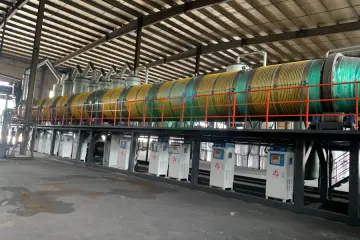
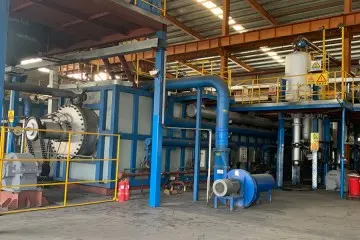
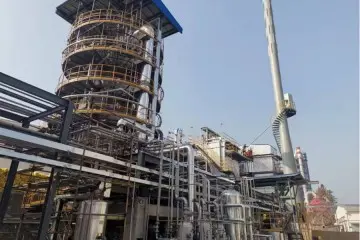
In this critical transition phase, the demand for an advanced Electric Pyrolysis Plant in Sydney has surged exponentially. Unlike traditional incineration or fossil-fuel-fired pyrolysis systems, electric pyrolysis aligns perfectly with Australia's renewable energy goals. By converting waste tires and plastics into high-value commodities like pyrolysis oil, carbon black, and syngas through a zero-oxygen, electrically heated thermal decomposition process, local industries can achieve zero-waste-to-landfill targets while generating new revenue streams.
NSW's ambitious "Waste and Sustainable Materials Strategy 2041" mandates an 80% average recovery rate from all waste streams, making advanced recycling technologies indispensable.
With metropolitan landfill levies continuously rising, businesses in Sydney are financially incentivized to adopt waste-to-energy and pyrolysis solutions.
Australia's rapid adoption of solar and wind energy allows electric pyrolysis plants to operate on clean grids, drastically reducing the overall carbon footprint.
The global waste-to-energy sector is experiencing a paradigm shift, and Sydney is at the forefront of this technological revolution. The traditional pyrolysis plants, which rely on burning coal, wood, or even the generated syngas directly in an open combustion chamber, present significant challenges regarding emission control, temperature stability, and safety. This is where the Electrical Heating Continuous Pyrolysis Plant emerges as the ultimate game-changer.
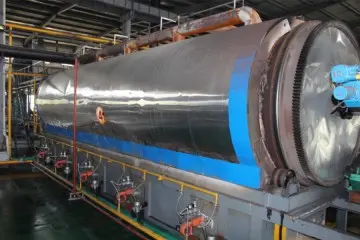
Electric pyrolysis utilizes advanced electrical resistance or induction heating technologies to warm the reactor. Because there is no open flame or combustion of fossil fuels to heat the kiln, the emission of secondary pollutants like SOx, NOx, and particulate matter is virtually eliminated. This makes securing environmental permits from the NSW EPA significantly easier and faster for Sydney-based investors and factory operators.
The yield and quality of pyrolysis oil and recovered carbon black (rCB) depend heavily on temperature stability. Electric heating allows for AI-assisted, highly precise temperature modulation (within a margin of ±2°C). This ensures that the polymer chains in waste tires and plastics break down at the optimal thermal cracking point, maximizing the output of high-grade, low-viscosity pyrolysis oil that can be refined and sold to local Australian refineries or used in heavy machinery.
Many industrial zones in Western Sydney (such as Wetherill Park, Smithfield, and Silverwater) are investing heavily in commercial solar arrays. An electric pyrolysis factory can be integrated into these local micro-grids. During peak solar generation hours, the plant can utilize cheap, renewable electricity, significantly lowering operational expenditures (OPEX) while producing valuable green commodities.
Focus on waste to energy and waste tire pyrolysis technology, Huayuan Tech was founded in 1968. Company covers an area of 209335 square meters, plant area of 98,680 square meters, more than 500 employees, engineering and technical personnel accounting for 34% of the total number of employees. Has a complete A-class boilers and pressure vessels complete sets of manufacturing, testing equipment.
Pressure pipe installation permit, And through ISO9001, ISO14001, OHSAS18001 three system certification and the United States ASME certification.
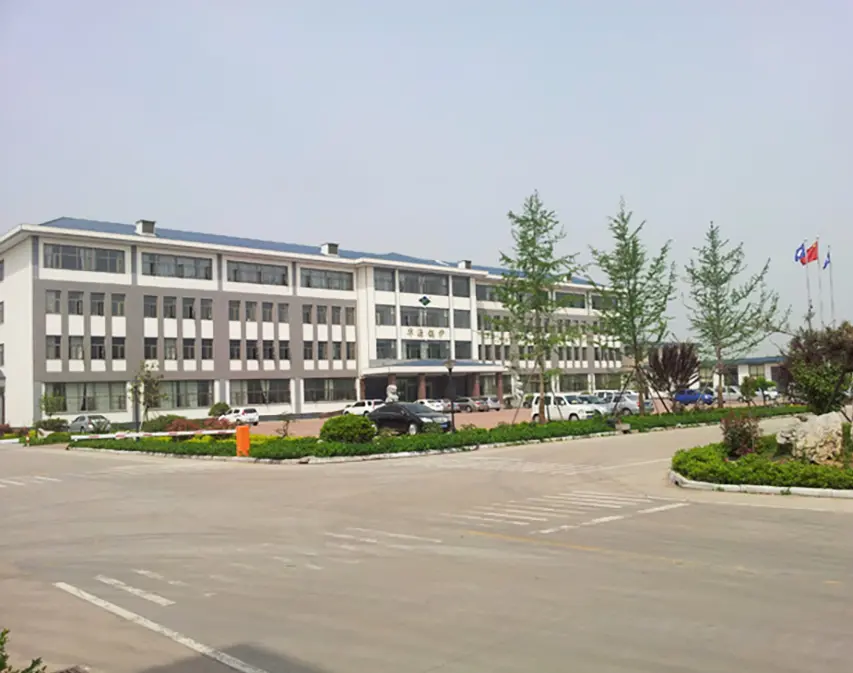
With the continuous development of enterprises has now become engaged in a boiler, pressure vessels, waste tire and plastic scrap pyrolysis machine development, manufacturing, sales, consulting services, thermal equipment system integration, contract energy management, investment and financing, supplemented by energy efficient use of professional firms. Holding a national A-class boilers, A2-class pressure vessel manufacturing license, D1D2 pressure vessel design certificate.
Unswervingly pursue the technological innovation, build strong enterprise core competitiveness, is the company's long-term adherence to the development strategy. Adhering to the "innovation, quality, honesty" business purposes, to environmental protection and energy conservation as the prerequisite, technology as a means, with superb professional skills and unique R&D philosophy, production and research strong cooperation, and constantly introduce innovative products and services to meet market demand.
As an industry-leading Electric Pyrolysis Plant Supplier, we understand that the Australian market has unique waste compositions and industrial demands. Our continuous and semi-continuous pyrolysis systems are engineered to handle a variety of localized feedstocks prevalent in Sydney and the broader New South Wales region.
Australia's robust mining industry, particularly in regions accessible from Sydney such as the Hunter Valley, generates thousands of tons of massive Off-The-Road (OTR) tires annually. Additionally, Sydney's extensive logistics and transport networks produce a steady stream of truck and passenger tires. Our Continuous Pyrolysis Plant (using 5-10cm tire blocks or rubber powder as feedstock) is perfectly suited to process these ELTs. The resulting recovered Carbon Black (rCB) can be refined using our specialized equipment and sold back to local rubber manufacturers or used as a colorant in the plastics industry.
With the recent bans on exporting mixed plastic waste from Australia, local MRFs in Sydney are stockpiling vast amounts of non-recyclable plastics (like LDPE films, PP containers, and mixed agricultural plastics). Our Electric Heating Pyrolysis technology can efficiently convert these problematic plastics into high-yield pyrolysis oil. This oil can be utilized directly in industrial boilers across NSW or further processed in our Pyrolysis Oil Refining Plant to produce non-standard diesel, providing a localized fuel source for agricultural machinery and generators.
Sydney's growing electronic waste recycling sector struggles with the complex plastic casings of discarded electronics, which often contain flame retardants. Our Industrial Solid Waste to Energy Plant operates at high, stable temperatures guaranteed by electrical heating, effectively breaking down these complex polymers safely while neutralizing harmful byproducts. This provides a safe, compliant, and highly profitable disposal route for specialized e-waste recyclers in the region.
Explore our full range of state-of-the-art pyrolysis and refining equipment, available for direct factory supply and installation in Sydney.