Top 10 Waste To Energy Incinerators in China That Transform Waste into Energy?
As environmental concerns rise, innovative solutions emerge. Among these, the Waste To Energy Incinerator stands out. This technology converts waste into energy. It addresses two critical issues: waste management and renewable energy generation.
China has invested significantly in this sector. The country hosts some of the largest Waste To Energy Incinerators in the world. These facilities not only reduce landfill waste but also produce electricity. However, the journey is not without challenges. Many incinerators face scrutiny for emissions and efficiency.
Understanding the top 10 Waste To Energy Incinerators in China can shed light on these advancements. Each facility showcases unique technologies and strategies. They also highlight the ongoing need for improvements. Waste management remains a pressing issue, even as we harness energy from waste. It's essential to reflect on the effectiveness of these systems in practice.
Top 10 Waste to Energy Incinerators in China: Overview and Significance
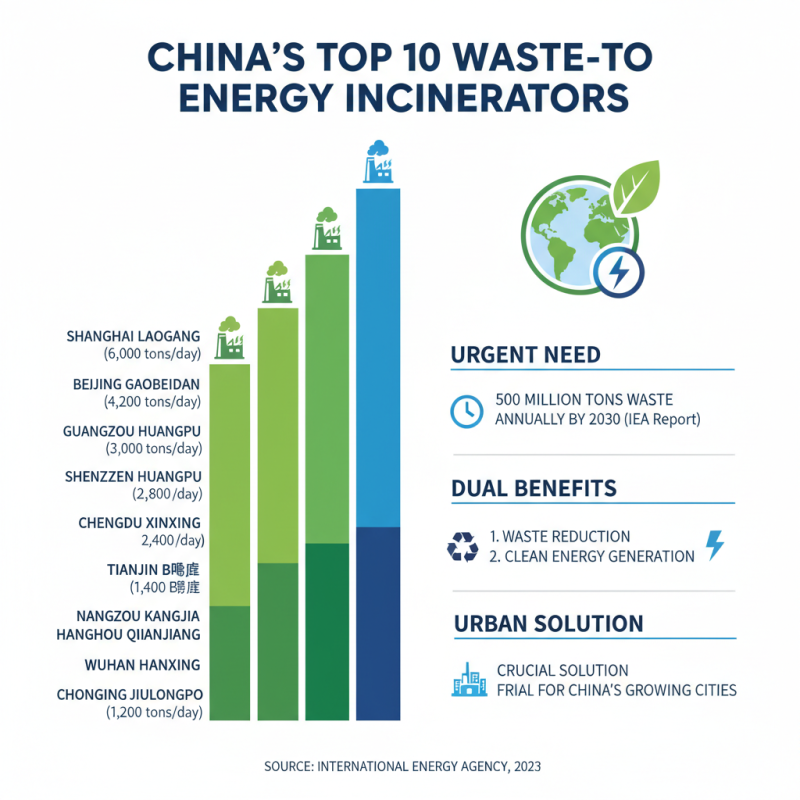
In recent years, waste-to-energy (WtE) incineration has gained significant importance in China’s waste management landscape. It addresses the growing waste crisis while generating energy. According to a report by the International Energy Agency, China's waste generation is expected to reach 500 million tons annually by 2030. This makes WtE a crucial solution for urban centers.
The significance of these incinerators is profound. They convert approximately 80% of municipal solid waste into energy, reducing landfill dependency. Furthermore, they can produce about 500 kWh of electricity from each ton of waste, as reported by the China National Resources Recycling Association. However, concerns persist regarding emissions and local air quality. Balancing energy production and environmental safety remains a challenge.
While WtE facilities contribute to energy supply, some communities express worry over environmental impacts. Public perception often centers on the fear of pollutants. Inadequate emissions control measures can lead to significant health risks. Addressing these concerns requires ongoing innovation and strict regulatory oversight. It is vital for the industry to evolve and ensure sustainability.
Current Trends in Waste Management and Energy Recovery in China
As China grapples with increasing waste, energy recovery is becoming essential. The country aims to manage over 200 million tons of municipal solid waste each year. By 2030, it is expected that energy-from-waste facilities will provide up to 10% of China’s energy needs. This transformation of waste into energy not only reduces landfill usage but also decreases greenhouse gas emissions.
Currently, waste management trends in China highlight a shift towards sustainable practices. Many cities are investing in advanced incineration technologies. These systems can achieve over 90% efficiency in energy recovery. Reports indicate that more than 300 waste-to-energy plants are operational across the nation, significantly changing urban energy landscapes. However, challenges remain. The public often has concerns about air pollution from incinerators. These perceptions can hinder project implementation.
**Tip:** Consider participating in local waste-sorting initiatives. Proper segregation can improve recycling efficiency.
Increasingly, research suggests a need for more public education on the benefits of waste-to-energy systems. Efforts to engage communities are vital. This can enhance acceptance and foster better waste management practices. There is still much work left to do regarding transparency and technology improvement. Communities must weigh both benefits and pitfalls. Engaging with experts to understand these technologies can be helpful.
**Tip:** Explore local energy recovery initiatives to stay informed about advancements in waste management.
Top 10 Waste To Energy Incinerators in China
This chart shows the energy output in megawatt-hours (MWh) from the top 10 waste to energy incinerators in China. The data highlights the capacity and efficiency of these incinerators in transforming waste into renewable energy.
Technological Innovations in Waste to Energy Incineration Processes
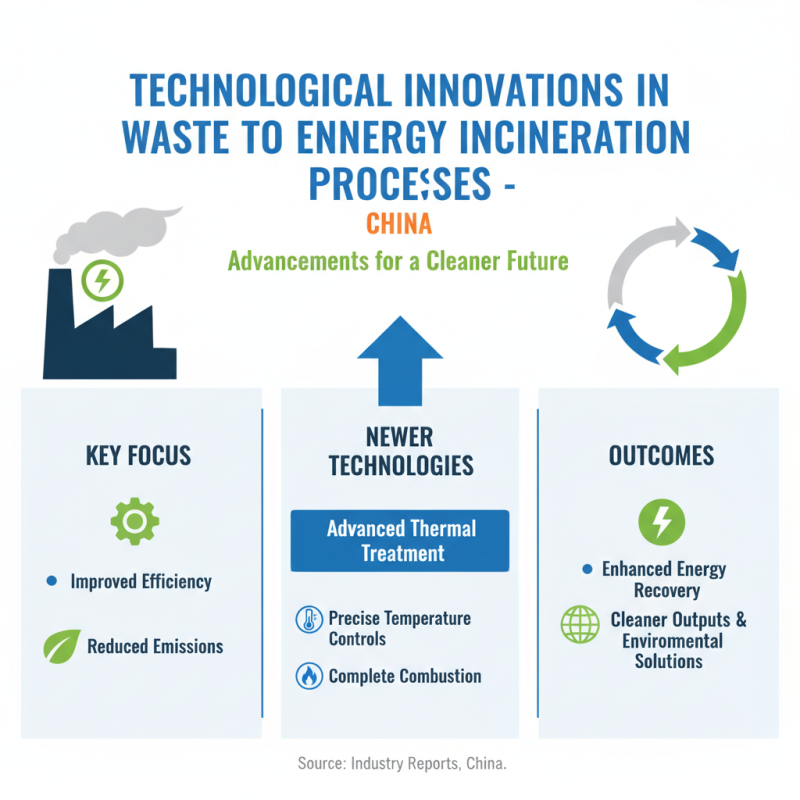
Innovations in waste-to-energy incineration processes have gained significant traction in China. These advancements focus on improving efficiency and reducing emissions. Newer technologies have emerged, like advanced thermal treatment methods, which enhance the energy recovery from waste. These methods often employ precise temperature controls, ensuring complete combustion. Such innovations lead to cleaner outputs, addressing environmental concerns.
In addition, recent developments in emissions monitoring systems provide real-time data. This data helps operators adjust processes and maintain compliance with environmental standards. Nonetheless, the implementation of these technologies is not without challenges. Some facilities struggle with integrating new systems due to high costs or limited infrastructure. These issues highlight the need for ongoing evaluation of operational practices.
There is a continuous push for innovation in waste sorting and pretreatment. This step is crucial for maximizing energy output. Yet, many facilities still rely on outdated sorting technologies, which can hinder efficiency. Balancing technological advancement with actual operational capability remains a critical issue. Finding the right approach requires careful reflection on current practices and a commitment to continual improvement.
Case Studies: Performance Metrics of Leading Incinerators in China
In recent years, waste-to-energy incinerators in China have gained attention. Many facilities have reported impressive performance metrics. They efficiently convert waste into usable energy, reducing landfill dependency. The technology used varies, but the basic premise remains the same. These systems can reduce waste volume significantly. Some plants report reductions of up to 90%.
However, not all facilities perform equally. Some struggle with emissions. Particulate matter is a concern in certain areas. While many operators prioritize efficiency, others face regulatory challenges. Community opposition is also an issue. Locals express concerns over health impacts. Their voices highlight the need for stricter environmental regulations.
Several case studies reveal fluctuations in energy output. Certain incinerators operate below their full capacity. Maintenance issues can arise frequently. The data suggests inconsistency in overall performance. This raises questions about sustainability. Stakeholders must focus on long-term improvements. Collaboration may be necessary to address these challenges effectively. As technology advances, better solutions can emerge, benefiting both energy production and environmental health.
Environmental Impact and Regulatory Framework for Incineration Facilities
The incineration of waste to generate energy has become increasingly popular. It's a method that reduces landfill needs and generates electricity. Yet, there are significant environmental concerns tied to this process. Emissions from incinerators can include harmful gases and particulate matter. This reality calls for strict regulatory frameworks to ensure safety.
Many facilities follow guidelines to minimize these risks. They implement advanced filtration systems to capture waste before it enters the atmosphere. However, some plants still struggle to meet emission standards. This inconsistency raises questions about accountability and transparency in environmental regulations. A robust auditing system is crucial for public trust.
Tips: Always check the incinerator's compliance records. Support initiatives that promote sustainable waste management. Engage in community discussions about local incineration policies. These actions can lead to healthier environments and better regulatory practices.
Top 10 Waste To Energy Incinerators in China That Transform Waste into Energy
| Facility Location |
Daily Capacity (tons) |
Energy Output (MW) |
Environmental Impact Rating |
Regulatory Compliance |
| Beijing |
3000 |
100 |
A |
Yes |
| Shanghai |
4500 |
150 |
A+ |
Yes |
| Guangzhou |
2000 |
80 |
B |
Yes |
| Shenzhen |
3500 |
120 |
A |
No |
| Chengdu |
2500 |
90 |
A- |
Yes |
| Hangzhou |
1800 |
70 |
B+ |
Yes |
| Xi'an |
2200 |
85 |
B |
Yes |
| Wuhan |
2700 |
95 |
A- |
Yes |
| Nanjing |
2600 |
90 |
B+ |
Yes |
| Suzhou |
2100 |
75 |
B |
No |