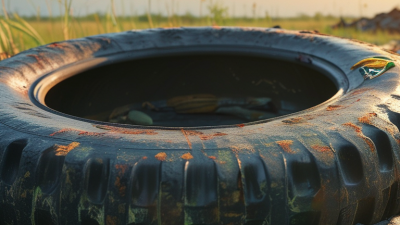
Car Tire Disposal is a pressing issue in China today. With millions of vehicles on the road, the need for effective tire management is crucial. Improper disposal leads to environmental damage and health risks. Natural deterioration of rubber takes many years, causing pollution and harmful waste.
Many drivers are unaware of the best practices for disposing of old tires. Common methods often include tossing them in landfills or burning them, which is harmful. The challenge lies in finding reliable solutions that are both sustainable and practical. Engaging local communities and educating the public can enhance awareness of responsible tire disposal methods.
To change these negative habits, innovative approaches are needed. Recycling programs and partnerships with automotive businesses play a key role. However, establishing these systems requires input from various stakeholders. Balancing effectiveness and environmental impact is not always easy, bringing attention to the urgency of efficient Car Tire Disposal strategies.
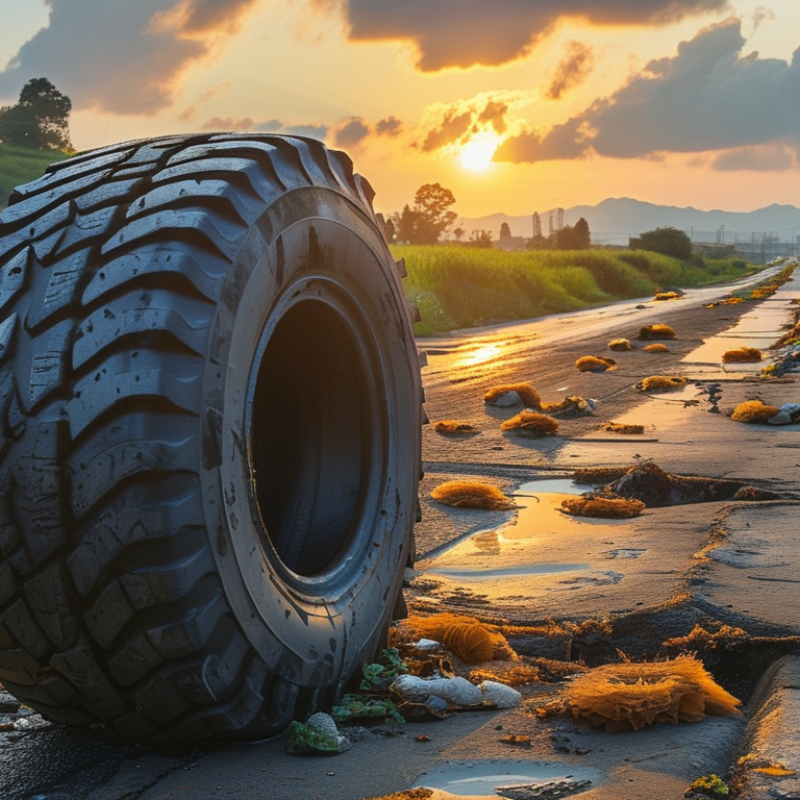
Proper tire disposal is crucial for environmental health in China. Tires are not biodegradable. They can take up to 100 years to decompose. This leads to landfill overflow and pollution. When tires are improperly discarded, they create toxic leachates that can seep into soil and waterways, harming ecosystems. Understanding the importance of proper disposal helps mitigate these risks.
China has established numerous recycling facilities that specialize in tire processing. These facilities can convert old tires into useful materials. For instance, tires can be turned into rubberized asphalt or fuel. Such recycling not only conserves resources but also reduces the need for landfills. Engaging local communities in tire disposal education raises awareness about the environmental impact of neglecting this issue.
Despite these advancements, challenges remain. Many individuals still discard tires irresponsibly. Urban areas often see piles of tires near roads. This may indicate a lack of proper disposal facilities in some regions. Continued efforts are needed to improve community access to recycling options. Collaborating with local governments to expand consumer education can also drive change.
| Method | Description | Importance | Regulations |
|---|---|---|---|
| Recycling | Breaking down tires into materials like rubber, steel, and fabric. | Reduces waste and promotes material recovery. | Must follow national recycling guidelines. |
| Reuse | Utilizing old tires for purposes like playgrounds, furniture, or garden decoration. | Encourages creativity and resourcefulness. | Local regulations may apply for reused materials. |
| Incineration | Burning tires for energy recovery, capturing emissions for safety. | Reduces volume of waste and generates energy. | Strict emission regulations must be observed. |
| Landfill | Disposing tires in designated areas, ensuring proper cover and management. | Last option for disposal due to space and environmental concerns. | Must adhere to local landfill regulations. |
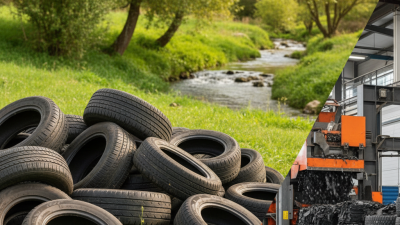
In China, tire disposal is governed by strict legal regulations. The government aims to minimize environmental harm caused by discarded tires. These regulations require proper recycling processes to ensure used tires are not simply thrown away. Each region may have specific guidelines, so it’s essential to consult local laws.
Recycling facilities must obtain certification. This helps maintain standards in handling tires. Additionally, companies involved in tire disposal must register with environmental authorities. Violating these regulations can lead to penalties. However, compliance with the law ensures better waste management. Education on sustainable practices is crucial for communities.
Despite these frameworks, challenges exist. Many people remain unaware of disposal options. Some still resort to illegal dumping out of convenience. Raising awareness about legal practices is essential. Engaging local communities can foster responsible behaviors. Understanding the importance of proper tire disposal can significantly impact environmental health.
Tire recycling and reuse are gaining momentum in China, addressing a critical environmental challenge. In 2021, China generated approximately 2.5 million tons of used tires. Only a fraction was recycled, highlighting the need for better practices. Innovative methods now focus on both recycling and repurposing tires. Mechanical and pyrolytic processes are commonly used. These techniques can convert tires into rubber powder, oil, and carbon black.
Tips: Ensure proper collection points for used tires. Community awareness can drive participation and effective recycling.
Another method involves reusing tires in various applications. Tires can be transformed into playground surfaces, construction materials, or even energy sources. During 2020, the reuse of tires helped divert over 1.2 million tons from landfills. However, many communities still lack the infrastructure for proper tire disposal. This gap highlights a significant flaw in current systems.
Tips: Collaborate with local governments to improve collection and recycling programs. Community clean-up events can increase tire recovery rates.
Despite advancements, tire recycling in China faces challenges. Some facilities may not meet environmental standards, leading to pollution. Promoting best practices is essential for future growth in this industry. Better regulations can help guide companies towards more sustainable methods. Investing in education about tire disposal remains vital for effective change.
Disposing of car tires responsibly is crucial for environmental protection. Improper disposal can lead to pollution and health hazards. Many tires end up in landfills, creating a significant burden on waste management systems. To prevent this, consider practical steps for responsible tire disposal.
Research local recycling options. Many cities in China have collection points specifically for tire recycling. These facilities often specialize in breaking down tires into reusable materials. Check your municipality’s guidelines. Understanding local rules can help you choose the best method for disposal.
Explore alternatives, like tire retreading. Retreading can extend the life of a tire significantly. It's often the more eco-friendly approach. You might also find community initiatives encouraging tire donations for art projects or playgrounds. Engaging with such programs can not only help the environment but also foster community responsibility.
Remember, while many options exist, choosing the right method can be challenging. Reflect on your choices to ensure they align with sustainable practices.
Disposing of tires correctly is crucial for both environmental safety and public health. In China, many regions have established local resources and facilities aimed at efficient tire disposal. Each city often has specific collection points, designated primarily for used tires. It's important to check with local government offices to identify these sites. They provide essential services for safe disposal and recycling, ultimately minimizing environmental impact.
In addition to municipal collection points, some recycling centers accept old tires. These facilities have processes in place to repurpose tire materials, reducing landfill overflow. Some innovative approaches include turning tires into rubber mats, playground surfaces, or even as fuel in cement kilns. Community participation is vital; residents should stay informed about local programs and services. This not only aids in effective waste management but also fosters a culture of recycling and sustainability.
Many individuals may find the tire disposal process confusing or inconvenient. It's essential to have clear guidelines and awareness campaigns that explain disposal options. Engaging local communities is a challenge, yet it significantly improves tire recycling rates. By addressing these concerns, China can enhance its tire disposal strategies for a cleaner environment.