How to Safely Dispose of Old Tyres for Sustainable Recycling?
The proper disposal of old tyres remains a significant concern in today's world. According to a report from the United Nations Environment Programme, approximately 1.5 billion tyres are discarded globally each year. This staggering number highlights the urgency of finding sustainable methods for old tyre disposal. When improperly discarded, tyres contribute to environmental pollution and pose health risks.
Notably, around 75% of used tyres end up in landfills or are illegally dumped. This creates significant waste management challenges. However, tyre recycling can transform waste into valuable resources. For example, recycled tyres can be turned into playground surfaces, asphalt, or energy. Industry experts stress the importance of safe disposal techniques to mitigate environmental impacts.
Despite advancements, many individuals and businesses still lack awareness regarding old tyre disposal options. The absence of clear guidelines exacerbates the issue. Emphasizing education and best practices can encourage responsible disposal. As our society strives for sustainability, addressing old tyre disposal effectively is crucial for ecological balance.
Understanding the Environmental Impact of Old Tyres
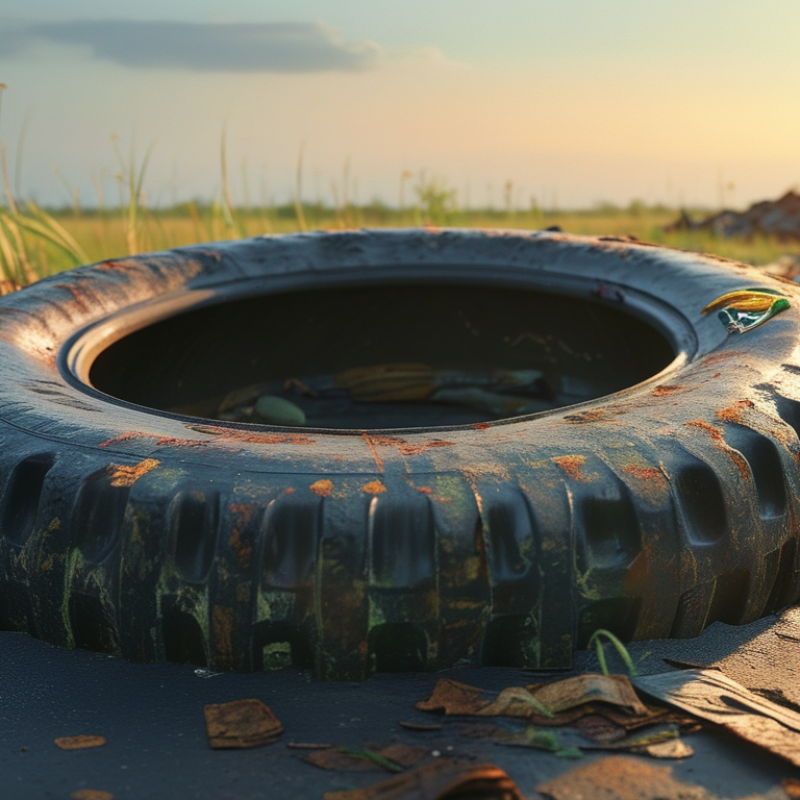
Old tyres pose a significant environmental threat if not disposed of properly. According to the US Environmental Protection Agency (EPA), approximately 290 million scrap tyres are discarded annually in the United States alone. These tyres, if left in landfills, can take hundreds of years to decompose. They release harmful chemicals into the soil and may contribute to tyre fires, which emit toxic smoke.
Recycling old tyres can reduce landfill waste significantly. Research from the Rubber Manufacturers Association indicates that around 60% of used tyres are recycled or reused each year. Some are transformed into road surfaces, playground equipment, or fuel. Others are repurposed in manufacturing new products. However, not all disposal methods are created equal. Improper disposal methods reflect gaps in community awareness and waste management systems.
**Tips for disposal:**
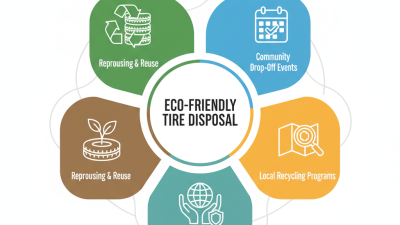
- Always choose certified recycling facilities. This ensures safe and environmentally friendly processing.
- Participate in community collection events. Many localities host tyre recycling events where you can drop off your old tyres.
- Consider repurposing tyres for DIY projects before disposal. They can serve as garden planters or outdoor furniture.
Understanding the environmental impact of old tyres is crucial. Awareness and expert advice can reduce their negative effects. It’s essential to evaluate local disposal options carefully. Collaboration between communities can lead to better practices.
How to Safely Dispose of Old Tyres for Sustainable Recycling? - Understanding the Environmental Impact of Old Tyres
| Disposal Method |
Environmental Impact |
Recycling Potential |
Usability After Recycling |
| Landfill |
High risk of leaching toxic substances. |
Low |
None |
| Incineration |
Releases harmful gases and contributes to air pollution. |
Moderate |
Energy recovery |
| Pyrolysis |
Reduces waste volume; minimizes emissions. |
High |
Oil and carbon black for industrial use |
| Retreading |
Reduces waste and resource consumption. |
High |
Like-new tyres for vehicles |
| Recycling into Rubber Products |
Reduces landfill waste and raw material usage. |
Very High |
Mats, playground surfaces, and asphalt |
Identifying Safe Disposal Methods for Old Tyres
Old tyres present a significant recycling challenge. Identifying safe disposal methods is crucial for environmental sustainability. Many people are unaware of the dangers associated with improper tyre disposal. For instance, when tyres are left in landfills, they can leach harmful chemicals into the soil and water systems.
One common and effective method of disposal is recycling. Many reputable recycling centers accept old tyres. They can transform them into useful products like rubber mats or art, reducing landfill waste. Vehicle workshops often have partnerships with recycling facilities, ensuring tyres are disposed of correctly. However, finding a local facility can be tricky. Not all areas have adequate resources for this purpose.
Another option is repurposing tyres at home. Creative individuals have turned old tyres into garden planters or playground equipment. This approach not only benefits the environment but also encourages community engagement. However, safety concerns arise when using tyres in residential areas. It’s essential to consider the risks of fire hazard or stagnant water collecting in tyre hollows. Reflection on these options is crucial for responsible disposal practices.
Exploring Local Recycling Facilities for Tyre Disposal
When it comes to disposing of old tyres, local recycling facilities play a crucial role in sustainable practices. According to the Rubber Manufacturers Association, around 275 million scrap tyres were produced in the U.S. alone in 2020. This massive number highlights the urgency of finding effective disposal methods. Instead of ending up in landfills, tyres can be recycled into various materials. Finding a nearby facility can significantly reduce the environmental impact of waste tyres.
Many communities have established recycling programs that offer convenience and resourcefulness. Local facilities often convert scrap tyres into useful products like rubber mulch, flooring, or even playground surfaces. This diversion from landfills not only minimizes waste but also conserves valuable resources. A report from the Environmental Protection Agency noted that recycling tyres helps to save energy equivalent to using over 2 million barrels of oil annually.
However, not all facilities operate under the same standards. Some may lack proper processing methods, leading to environmental risks. Research suggests that only about 60% of used tyres are recycled properly. It becomes essential for individuals to investigate and choose facilities with transparency and proven track records. This ongoing evaluation can enhance community recycling efforts and support sustainable practices.
Implementing Creative Upcycling Ideas for Used Tyres
When considering how to upcycle used tyres, creativity is essential. Many people think of turning tyres into outdoor furniture. For example, painted tyres can become colorful garden stools or planters. Just add some soil and flowers, and you have an eye-catching display.
Another innovative use for old tyres is creating tyre swings. With some sturdy rope and proper installation, you can design a fun and safe play area for children. Ensure that the tyre is clean and free of any harmful substances. You might even make a unique tire path for your garden. This adds character while reusing materials.
These projects not only promote sustainability but also encourage community involvement. Hosting workshops can engage neighbors to share ideas and skills. Reflect on what works in your community and what doesn’t. It may take a few tries to perfect your creations or find the right audience. Embrace those imperfections as part of the learning process.
Following Legal Regulations for Tyre Recycling and Disposal
When it comes to disposing of old tyres, understanding legal regulations is crucial. Many countries have specific laws governing tyre disposal. These regulations aim to minimize environmental harm and promote recycling. It’s essential to research local requirements. Ignoring these laws may lead to hefty fines.
Proper disposal often requires finding licensed facilities. These centers are equipped to handle tyres safely. They ensure that materials are recycled, rather than ending up in landfills. Recycling plants often shred tyres and convert them into useful products. This process not only conserves resources but also reduces pollution.
Some individuals may disregard regulations due to a lack of awareness. However, this can have severe consequences. Improper disposal can lead to soil contamination and pose health risks. Community programs may offer guidance. Educating oneself is a key step in responsible disposal practices. Engaging with local authorities can foster better compliance and sustainability efforts in tyre recycling.