Best Practices for Old Tire Disposal Worldwide?
In recent years, the focus on Old Tire Disposal has intensified. The issue is not only environmental but also a public health concern. As noted by renowned environmental engineer Dr. Michael Thompson, “Effective tire disposal must meet both ecological and community safety standards.” His expertise highlights the complexity of this problem.
Globally, the accumulation of old tires presents a challenge. Millions of tires are discarded annually, often ending up in landfills or illegal dumps. This creates fire hazards and breeding grounds for pests. Proper disposal methods are vital to mitigate these risks and promote recycling. Innovative solutions, such as converting tires into playground surfaces or road materials, are emerging. However, these practices are not universally adopted and often face logistical challenges.
The need for best practices in Old Tire Disposal is critical. Understanding local regulations and community needs can lead to more effective strategies. Each region has unique circumstances that must be addressed. There is still much to learn and improve in this field. Engaging with experts and communities can drive change toward safer and more sustainable disposal methods.

Best Practices for Old Tire Disposal Worldwide: An Overview of Methods
The disposal of old tires is a global challenge that requires careful management. According to the Rubber Manufacturers Association, approximately 300 million tires are discarded annually in the U.S. alone. This massive volume creates significant environmental concerns since tires take hundreds of years to decompose. Effective disposal methods are therefore essential for sustainability.
One preferred approach is recycling. In many regions, tires can be processed into crumb rubber. This material is used in playground surfaces, sports fields, and roads. Research indicates that recycled rubber can reduce noise and improve durability. However, not all areas have access to advanced recycling facilities, which poses a hurdle.
Another method is tire retreading. This process extends tire life significantly. Studies have shown that retreaded tires can be as safe and effective as new ones. However, the public perception of retreading is often negative. Education on the benefits of retreading is vital for its wider acceptance.
Despite these methods, illegal dumping remains a significant issue. A report from the Environmental Protection Agency states that improper disposal can lead to hazardous conditions, such as tire fires, which can release toxic fumes. Addressing this requires collaboration among governments, businesses, and communities to ensure both ethical and effective disposal solutions.
The Environmental Impact of Improper Tire Disposal on Global Ecosystems
Improper disposal of tires poses significant risks to global ecosystems. When left in landfills, tires can release toxic chemicals into the soil and water. These toxins can harm wildlife and disrupt local ecosystems. Moreover, old tires can collect rainwater, creating breeding grounds for mosquitoes, which spread diseases.
Tips for responsible tire disposal include recycling whenever possible. Many local facilities accept tires for recycling. This process can turn old tires into rubber mulch or ground cover. Another option is to participate in community tire collection events. Such initiatives help reduce the number of tires in inappropriate locations.
While many people may not feel the urgency to address tire disposal, every small step counts. Educating ourselves and others can drive change. There’s a need to reflect on our own disposal habits. Understanding the environmental impact is essential for making informed decisions. Our choices can contribute to healthier ecosystems around the globe.
Recycling Tires: Statistics on Global Reuse and Material Recovery Rates
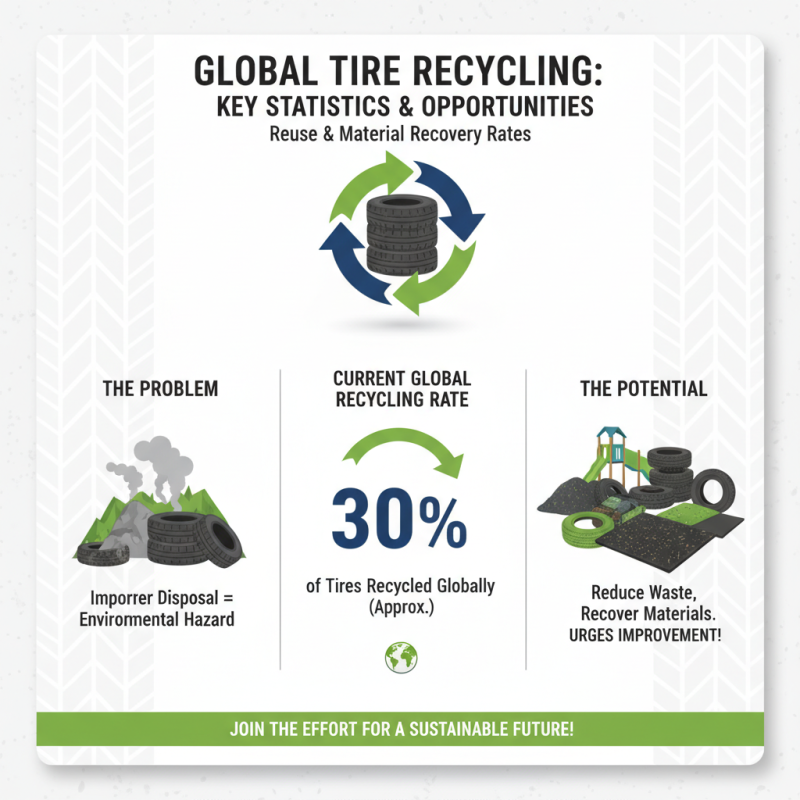
Tires are often disposed of improperly, leading to environmental hazards. Effective tire recycling reduces waste and recovers valuable materials. The global reuse and recovery rates for tires indicate significant potential for this industry. In many countries, approximately 30% of tires are recycled. This statistic urges the need for improved practices.
Proper tire disposal varies worldwide, making local research essential. In some regions, tires are repurposed for energy production. Others prioritize turning tires into new products, such as rubberized asphalt or playground surfaces. However, some areas still struggle with inadequate recycling facilities. This gap highlights the importance of community involvement and advocacy for better solutions.
Tip: Always check local guidelines for tire disposal. Some areas provide designated drop-off points or collection events.
Awareness about tire recycling is crucial. Many people are unaware of the various recycling options available. Workshops or informational sessions could enlighten communities about tire management. Engaging the public can inspire action and lower the number of improperly disposed tires.
Tip: Explore creative reuse ideas for old tires. DIY projects can include planters or furniture. Such initiatives foster a culture of recycling and creativity.
Innovative Technologies in Tire Recycling: Advancements and Effectiveness
The tire recycling industry has made significant strides in recent years. Innovative technologies have emerged that greatly enhance the recycling process. These advancements improve the effectiveness of converting old tires into useful materials. Mechanical shredding is one common method. It reduces tires into smaller pieces. However, it often leaves behind valuable resources.
Pyrolysis stands out as a revolutionary approach. This process processes tires in an oxygen-free environment. It converts them into oil, gas, and char. Each of these byproducts can be reused in various industries. The effectiveness of this method highlights the need for further investment. Yet, its scalability remains a challenge. Addressing this issue requires collaboration among stakeholders.
Cryogenic grinding is another exciting development. This technique uses liquid nitrogen to cool tires. It results in fine rubber powder without degrading quality. However, the high cost of operation limits its application. Despite these challenges, the potential of these technologies offers hope. Continued research is essential to maximize reuse and sustainability.
Best Practices for Old Tire Disposal Worldwide? - Innovative Technologies in Tire Recycling: Advancements and Effectiveness
| Region |
Disposal Method |
Recycling Rate (%) |
Innovative Technologies Used |
Effectiveness (1-10) |
| North America |
Crumb Rubber Production |
75 |
Cryogenic Grinding |
9 |
| Europe |
Energy Recovery |
70 |
Pyrolysis Technology |
8 |
| Asia |
Landfill |
40 |
Automated Sorting Systems |
6 |
| Australia |
Rubberized Asphalt |
65 |
Devulcanization |
7 |
| Latin America |
Re-tyring |
50 |
Thermal Process |
6 |
Policies and Regulations Governing Tire Disposal Across Different Countries
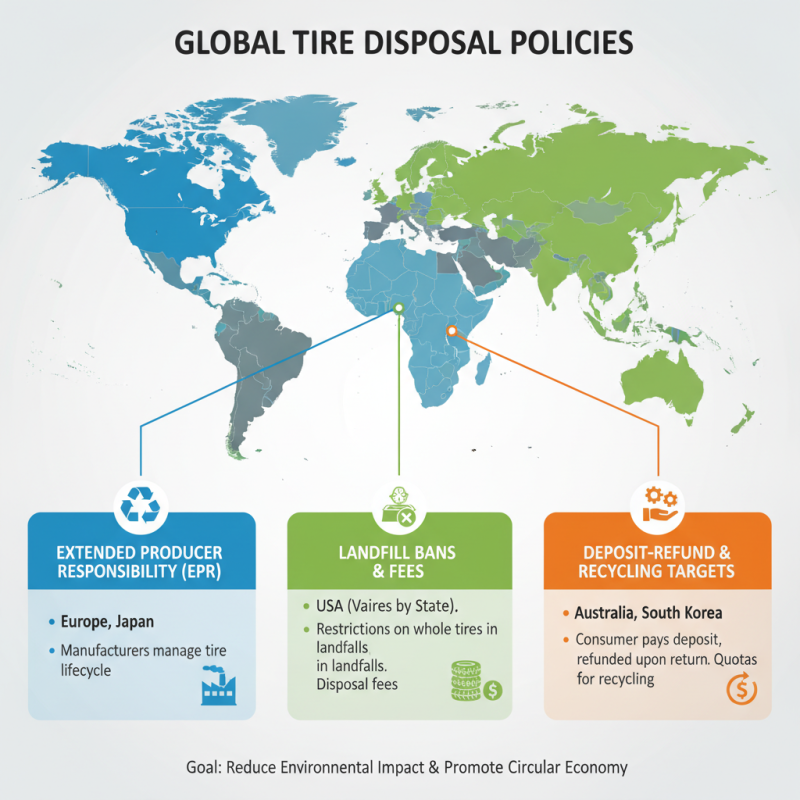
The management of tire disposal varies significantly worldwide. Different countries implement specific policies to address the environmental impact of discarded tires. In some nations, strict regulations dictate how tires must be recycled or discarded. For instance, countries in Europe often mandate tire manufacturers to take responsibility for their products throughout their lifecycle. This approach ensures that tires are processed following environmentally safe methods.
In contrast, others may lag in enforcement. Poor infrastructure and lack of awareness contribute to improper disposal practices. This variation creates challenges in controlling tire waste. Countries may have limited facilities for recycling, leading to increased stockpiles of waste tires. Some regions still resort to burning tires, which can emit toxic pollutants. Awareness campaigns and community initiatives strive to educate the public.
Tips for proper tire disposal include checking local regulations before disposing of tires. Research recycling options in your area to ensure responsible disposal. Partnering with local waste management can foster community programs. Stay informed about accepted practices to promote a healthier environment. Sharing information on effective tire disposal can help everyone participate in reducing waste.