China Best Plastics Recycling Methods for a Sustainable Future?
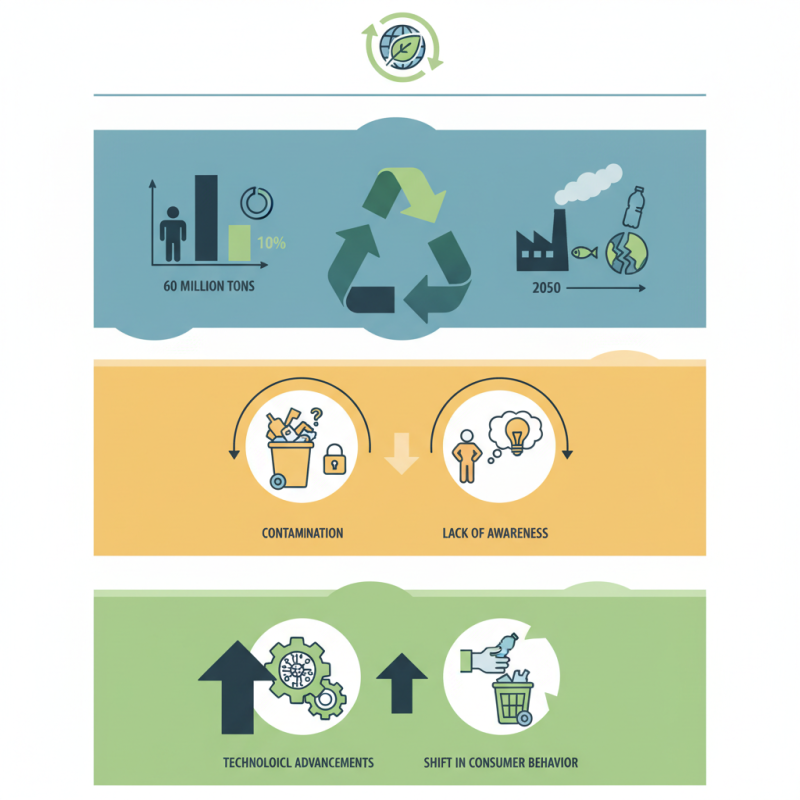
The global challenge of waste management has escalated, prompting innovative approaches in plastics recycling. In China, the need for efficient plastics recycling methods has become more urgent. According to a report by the China National Resources Recycling Association, the country produced about 60 million tons of plastic waste in 2020. However, only 10% of this waste underwent effective recycling.
Plastics recycling is crucial for reducing environmental impact. The production of new plastic creates greenhouse gases. Data from the World Economic Forum indicates that if the current trend continues, oceans could contain more plastic than fish by 2050. This alarming projection highlights the need for sustainable recycling initiatives.
However, the effectiveness of existing recycling methods raises questions. Many facilities struggle with contamination, reducing the quality of recycled materials. Furthermore, public awareness about proper recycling practices remains low. Addressing these challenges is vital for creating a sustainable future in plastics recycling. The path forward may involve technological advancements and a shift in consumer behavior.
Current State of Plastics Recycling in China
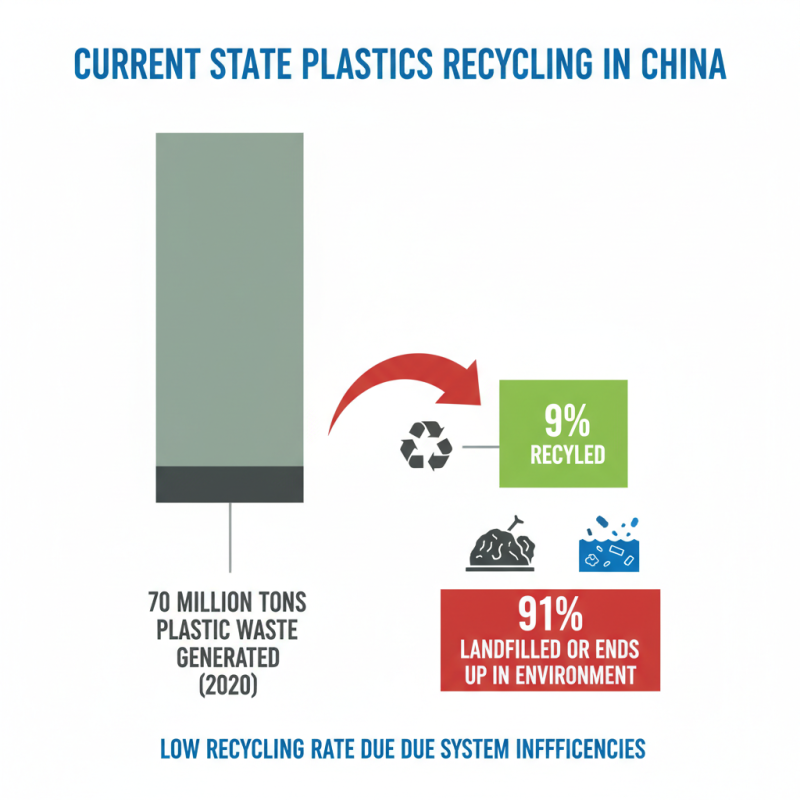
The current state of plastics recycling in China reveals a complex scenario. In 2020, China generated approximately 70 million tons of plastic waste. However, only about 9% of this waste was recycled. The rest ended up in landfills or the environment. This low recycling rate highlights inefficiencies in the existing system.
Despite challenges, some advancements show promise. New technologies are emerging, such as chemical recycling processes. These methods can break down plastic into its original components, allowing for higher-quality recyclables. Reports suggest that these processes could potentially increase recycling rates by up to 30%. Yet, significant investment and policy support are still required.
Public awareness about recycling practices is also lacking. Many citizens are unaware of proper disposal methods. This gap leads to contamination in recycling streams, further complicating the recycling process. Educational initiatives are critical in promoting better habits among consumers. Government collaboration with local communities could improve engagement and participation in recycling programs.
Key Challenges in China’s Plastics Recycling System
China faces significant challenges in its plastics recycling system. One major issue is the lack of standardized recycling practices. Different regions employ varying methods, leading to inefficiency. This inconsistency often results in a large volume of plastics ending up in landfills.
Moreover, public awareness about recycling is often insufficient. Many citizens do not understand how to properly sort and dispose of plastic waste. This gap in knowledge contributes to contamination in recycling streams. As a result, recyclable materials are frequently lost in the process. Implementing educational campaigns could help rectify this issue.
Lastly, the technological aspect of recycling presents difficulties. Many facilities are not equipped with advanced machinery to process a wide range of plastic types. This limitation hampers the ability to recycle more complex materials. Investing in modern recycling technology is essential for improving efficiency. Addressing these challenges is crucial for creating a sustainable future in China’s plastics recycling efforts.
Innovative Recycling Technologies Emerging in China
China is rapidly evolving in the realm of plastics recycling, with innovative technologies shaping the industry. According to a report by the Chinese Plastics Industry Association, nearly 60% of plastic waste is generated in urban areas, creating a pressing need for efficient recycling methods. New technologies are targeting this issue. For instance, chemical recycling processes are gaining traction, allowing for the transformation of used plastics back into raw materials. This technique promises higher recovery rates, potentially up to 95%, compared to traditional mechanical methods.
Moreover, advanced sorting systems employing AI are revolutionizing the way recyclables are processed. Studies reveal that these systems can increase sorting accuracy by over 30%, significantly improving the quality of recycled output. However, challenges remain. Not all facilities have the resources to upgrade their systems. Many still rely on outdated methods, limiting the potential impact of these innovations. Additionally, public awareness of proper recycling practices lags behind technological advancements, leading to contamination issues in recycled materials.
The commitment to sustainability drives these advancements. Stakeholders are now focusing on circular economy principles. But for China to achieve its ambitious recycling goals, collaboration between technology providers, governmental support, and community involvement is essential.
China Best Plastics Recycling Methods for a Sustainable Future?
| Recycling Method |
Description |
Advantages |
Challenges |
Recycling Rate (%) |
| Mechanical Recycling |
Process of shredding, sorting, and reprocessing plastics. |
Preserves quality, no chemical additives needed. |
Contamination issues, limited to certain plastics. |
30-50% |
| Chemical Recycling |
Conversion of waste plastics into monomers or oils. |
Can handle contaminated or mixed plastics. |
Higher costs, energy intensive. |
20-30% |
| Pyrolysis |
Thermal decomposition of plastic waste in the absence of oxygen. |
Produces fuel, reduces waste volume significantly. |
Requires complex technology, emissions issues. |
15-25% |
| Biological Recycling |
Utilizes microorganisms to degrade plastic waste. |
Eco-friendly, potential for biodegradable plastics. |
Still in research phase, slow process. |
<5% |
Government Policies Supporting Plastics Recycling Efforts
Government policies play a crucial role in enhancing plastics recycling efforts in China. The country has implemented various initiatives to boost recycling rates. One notable effort is the ban on single-use plastics, which has encouraged businesses to find sustainable alternatives. This policy shift has forced manufacturers to rethink their materials and processes.
Local governments also support recycling through incentives and subsidies. These programs motivate businesses and individuals to participate in recycling initiatives. Education campaigns are key as well; they raise awareness about the importance of recycling. Many citizens still lack knowledge about proper recycling methods and their impact.
Despite progress, challenges remain. The infrastructure for recycling is still developing in many regions. Collection systems can be inefficient, leading to lost materials. Additionally, the quality of recycled plastics varies significantly. This inconsistency affects the market for recycled products, making it harder to encourage widespread adoption. Addressing these issues will be vital for achieving a truly sustainable circular economy in China's plastics sector.
China's Plastic Recycling Rate by Year
Future Prospects for Sustainable Plastics Recycling in China
The future of sustainable plastics recycling in China faces both challenges and opportunities. Reports indicate that China's plastic waste recycling rate hovers around 30%. This figure highlights significant room for improvement. While investments in recycling technologies have increased, many facilities struggle with outdated methods. Efficiency remains a critical barrier to a circular economy.
One promising trend is the rise of innovative recycling methods. For instance, chemical recycling can break down plastics into their original monomers, leading to higher quality raw materials. Data from the China Plastics Processing Industry Association pointed out that these methods could increase recycling rates by up to 50% by 2030. However, scalability and economic feasibility are still concerns.
**Tips for Spurring Sustainable Practices:**
- Encourage local governments to implement incentive programs for recycling.
- Support educational initiatives that raise awareness about proper waste separation.
- Engage consumers for their feedback on recycling practices for continuous improvement.
Incorporating these strategies could enhance China's recycling landscape. Yet, the lack of consistency in waste collection methods raises questions about efficiency. Without stronger regulations and community engagement, progress may remain slow.