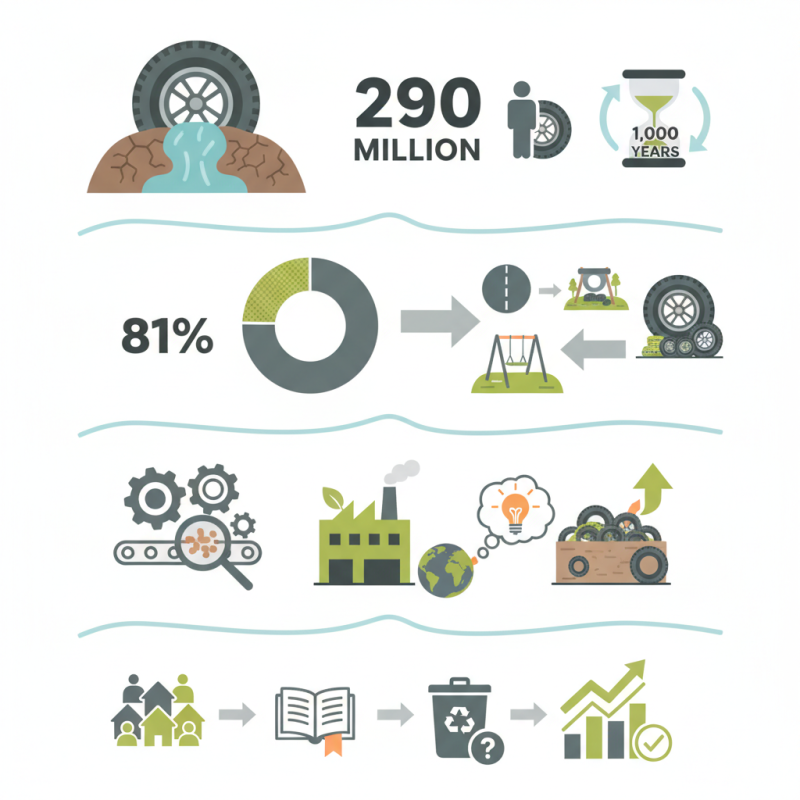
Tire disposal is a critical environmental challenge. According to the U.S. Environmental Protection Agency (EPA), approximately 290 million tires are discarded annually in the United States alone. That’s nearly one tire for every person. Improper disposal can lead to harmful effects on soil and waterways. Tires can take up to 1,000 years to decompose, posing long-term environmental risks.
Recycling solutions are essential. The Rubber Manufacturers Association reports that 81% of tires are recycled or used in energy recovery. This process not only reduces landfill waste but also transforms tires into valuable materials. Recycled tires can be repurposed for asphalt, playground surfaces, and even new tires. Despite advancements, not all tires are recycled; many still end up in dumps.
There’s also a pressing need for more effective tire disposal methods. Innovation in this sector is crucial. Finding sustainable solutions is vital for reducing waste. Companies are exploring new technologies and methods to enhance recycling rates. However, many regions still face significant challenges. Better education and resources are needed for communities to improve their tire disposal practices.
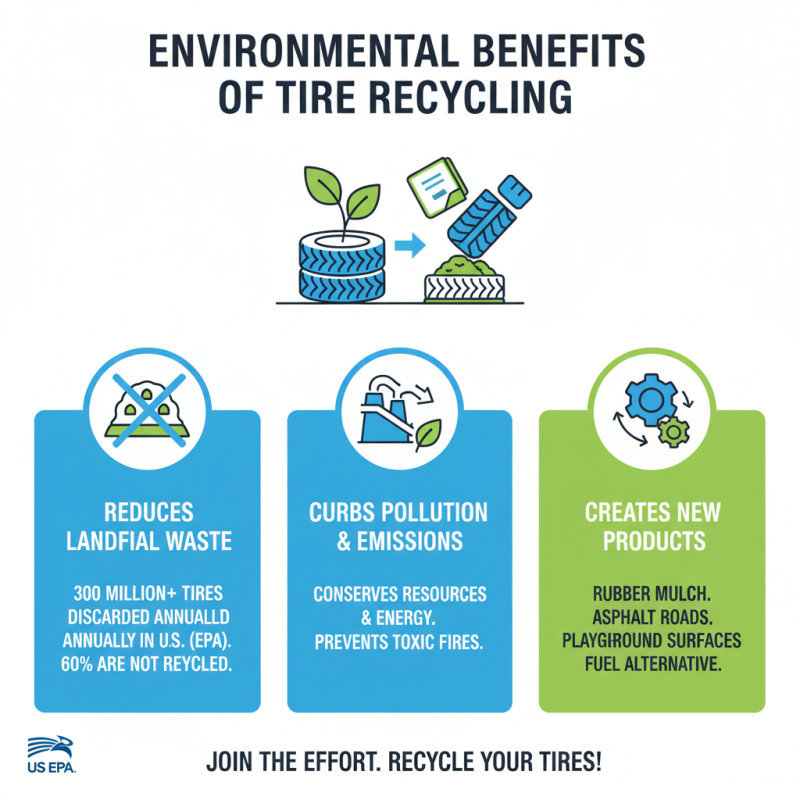
Tire disposal and recycling are crucial to maintaining a healthy environment. Over 300 million tires are discarded annually in the U.S. alone. Improper disposal leads to pollution and safety hazards. Tires can harbor water, creating breeding grounds for mosquitoes. This problem illustrates the importance of effective recycling solutions.
Proper recycling methods reduce the risk of fire hazards. Tires can ignite easily and burn for long periods, releasing harmful toxins. Recycling helps recover valuable materials like rubber, steel, and fiber. This reduces landfill waste and supports sustainable resource management. The benefits of recycling go beyond environmental health; they also create economic opportunities in local communities.
Tips: Always check local regulations on tire disposal. Some areas offer free recycling events. Consider donating usable tires to schools or community organizations. They can be transformed into playground surfaces or art installations. Educating others about the impact of tire waste is vital. Every small effort counts in fostering a cleaner, safer planet.

Tire disposal is a critical issue. The United States generates about 300 million scrap tires annually. The Environmental Protection Agency (EPA) reports that only 17% are recycled into new products. This highlights the urgent need for effective disposal strategies.
One common method is shredding tires. Shredded tires can serve various purposes, such as lightweight fill material for roads and playgrounds. However, the recycling process often falls short, with many tires still ending up in landfills or illegal dumps. Another approach is pyrolysis, which converts tires into oil and gas. While this method shows promise, it remains underutilized due to high operational costs and regulatory hurdles.
Some facilities also repurpose tires into asphalt, blending them with traditional materials. This not only reduces waste but can enhance flexibility and durability. Still, challenges persist as not all jurisdictions support or encourage this practice. The tire recycling industry needs collaboration among stakeholders to optimize current methods and inspire innovation.
Innovative tire recycling techniques play a crucial role in reducing environmental impact. Every year, millions of tires are discarded worldwide. Most end up in landfills, contributing to pollution. Innovative methods help to change this narrative. For instance, pyrolysis transforms tires into fuel, carbon black, and steel. This process not only reduces waste but also generates useful materials.
Another method gaining attention is devulcanization. By breaking down rubber components, it allows the reuse of raw materials. This can lead to the production of new tires or other rubber products. There are challenges, though. The technology is still evolving, and efficiency varies. Some experts raise questions about cost-effectiveness and environmental impacts.
Mechanical grinding is another popular approach. It involves shredding tires into smaller pieces. These recycled materials find new life in playground surfaces and road construction. Yet, the quality can be inconsistent. Ensuring a high standard remains a concern in some regions. As these innovative techniques progress, ongoing research and development will be essential. The path to sustainable tire disposal is complex, but the potential rewards are significant.
This chart represents the effectiveness of various tire recycling methods based on their percentage usage in the industry.
Tire recycling offers significant environmental benefits. According to the U.S. Environmental Protection Agency (EPA), over 300 million tires are discarded annually in the United States. Only 40% are recycled, while the rest end up in landfills or are incinerated. This not only wastes potential resources but also contributes to pollution.
Recycling tires reduces greenhouse gas emissions. For every ton of tires processed, up to 2,389 pounds of CO2 can be prevented from entering the atmosphere. This is crucial in combating climate change. Additionally, recycled tires can be used in various products, such as playground surfaces and asphalt. This helps minimize the need for virgin materials, further reducing environmental impact.
**Tip:** Always choose tire dealers that practice responsible disposal. Research local recycling facilities to ensure tires are processed environmentally safely.
Despite these advantages, challenges remain in recycling efficiency. Many communities lack convenient access to recycling options, leading to improper disposal. Educating the public on tire recycling's importance is essential to improve rates.
**Tip:** Spread awareness about tire recycling programs. Share information with friends and family to encourage participation in local initiatives.
When it comes to tire disposal and recycling, regulatory guidelines play a crucial role. Different regions have specific laws and standards aimed at managing tire waste. These rules help ensure safe practices, protecting the environment and public health.
For instance, many regulations require tires to be processed at designated facilities. These sites must meet safety criteria to prevent hazards. They often undergo inspections to ensure compliance. Many states prohibit illegal dumping of tires, imposing fines for violations. Such measures highlight the importance of adhering to guidelines.
Yet, there are inconsistencies in enforcement. Some smaller businesses may struggle to keep up with required practices. This raises questions about the effectiveness of regulations. Furthermore, education on proper disposal methods is often lacking. Communities might not be aware of available recycling options. Addressing these gaps is vital for improving tire management.
| Method | Description | Regulatory Guidelines | Advantages | Disadvantages |
|---|---|---|---|---|
| Landfill Disposal | Disposing of tires in designated landfill sites. | Must comply with local waste management regulations. | Low initial cost; simple process. | Environmental concerns; space consumption. |
| Tire Recycling | Breaking down tires to recover materials like rubber, steel, and fiber. | Regulated under environmental protection laws. | Reduces landfill waste; reuses valuable materials. | Higher processing costs; requires specialized facilities. |
| Retreading | Reapplying new tread onto worn tires to extend lifespan. | Must meet industry standards for safety and performance. | Cost-effective; reduces waste. | Not suitable for all tire types; potential safety hazards if not done properly. |
| Energy Recovery | Using shredded tires as fuel in cement kilns or power plants. | Regulated under waste-to-energy regulations. | Reduces fossil fuel use; generates energy. | Emissions concerns; not a complete solution. |
| Collection Programs | Organized events to collect tires for recycling or proper disposal. | Guidelines can vary by region; often supported by local governments. | Promotes community engagement; increases recycling rates. | Requires funding; logistics can be complex. |