Top Methods in Industrial Plastic Recycling for Sustainable Practices?
Industrial Plastic Recycling has become a vital focus for manufacturers and environmentalists alike. The push for sustainable practices is stronger than ever. As our planet grapples with plastic waste, effective recycling methods are crucial. These methods not only reduce pollution but also conserve valuable resources.
The challenges in recycling plastics are significant. Different types of plastics require specific processes. Some materials may not be easily recyclable, leading to a backlog in waste management. Companies must innovate constantly. Finding solutions that work efficiently is essential for achieving sustainability goals.
Expert knowledge plays a crucial role in developing better recycling techniques. Engaging with industry leaders ensures that practices are grounded in evidence and experience. There's a need for ongoing research and development. As the sector evolves, mistakes and setbacks may occur. Reflecting on these experiences can lead to improved practices and more effective solutions in the future.
Overview of Industrial Plastic Recycling Techniques
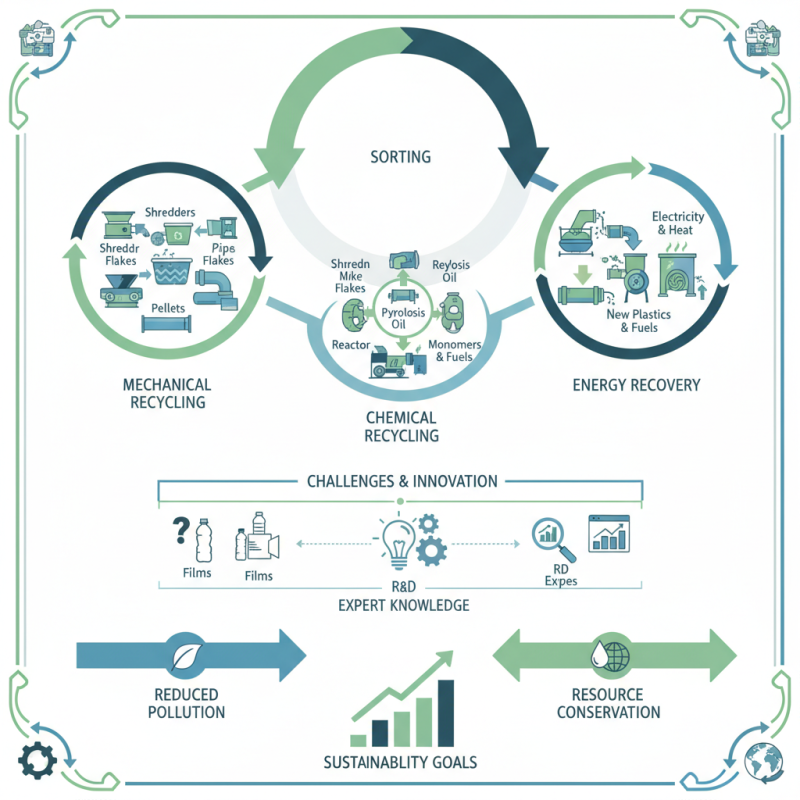
In the realm of industrial plastic recycling, several techniques have emerged as pivotal for promoting sustainability. Mechanical recycling is a widely used method. It involves shredding plastics into small pieces, which are then melted down to create new products. This process is efficient and saves resources, yet it can degrade plastic quality over time. The cycle can weaken the material, leading to potential challenges in longevity and performance.
Chemical recycling offers a promising alternative. It breaks down plastic into its fundamental monomers. This enables the production of high-quality, virgin-like materials. However, the energy consumption is a concern. Facilities that utilize this method must ensure a balance between energy use and output quality. Finding efficient ways to manage this energy cost remains a significant challenge.
Another method is bio-based recycling. This approach uses biological processes to break down plastics. While still in its infancy, it could reduce reliance on fossil fuels. However, it requires rigorous research to assess viability and effectiveness. As these techniques evolve, continuous improvements and innovations are essential, presenting both opportunities and hurdles for the plastic recycling industry.
Top Methods in Industrial Plastic Recycling for Sustainable Practices
This chart illustrates the different methods used in industrial plastic recycling, showcasing the percentage of usage for each method. Mechanical recycling leads the usage, with 40%, followed by chemical recycling and energy recovery. These practices contribute to more sustainable operations in the industry.
Mechanical Recycling Processes in Industry
Mechanical recycling is a key method in industrial plastic recycling. This process involves physically breaking down plastic waste into smaller pieces. These pieces can be washed, melted, and reshaped into new products. According to the Ellen MacArthur Foundation, mechanical recycling can potentially save up to 70% of the carbon emissions compared to virgin plastic production.
The efficiency of mechanical recycling depends on the type of plastic. For example, polyethylene and polypropylene show better recyclability than others. However, not all plastics can be effectively recycled using mechanical methods. Contaminated or mixed plastics often lead to material degradation, reducing quality. Industry reports highlight that nearly 32% of plastic waste remains unprocessed because of this issue.
Tips: Invest in quality sorting technologies. Efficient sorting improves the recycling rate. Additionally, educate employees about proper disposal methods. Simple actions can enhance the entire recycling process. Transparency in reporting recycling rates can shame facilities into improving their practices. Continuous improvement in mechanical recycling can lead to a more sustainable future.
Chemical Recycling Approaches and Innovations
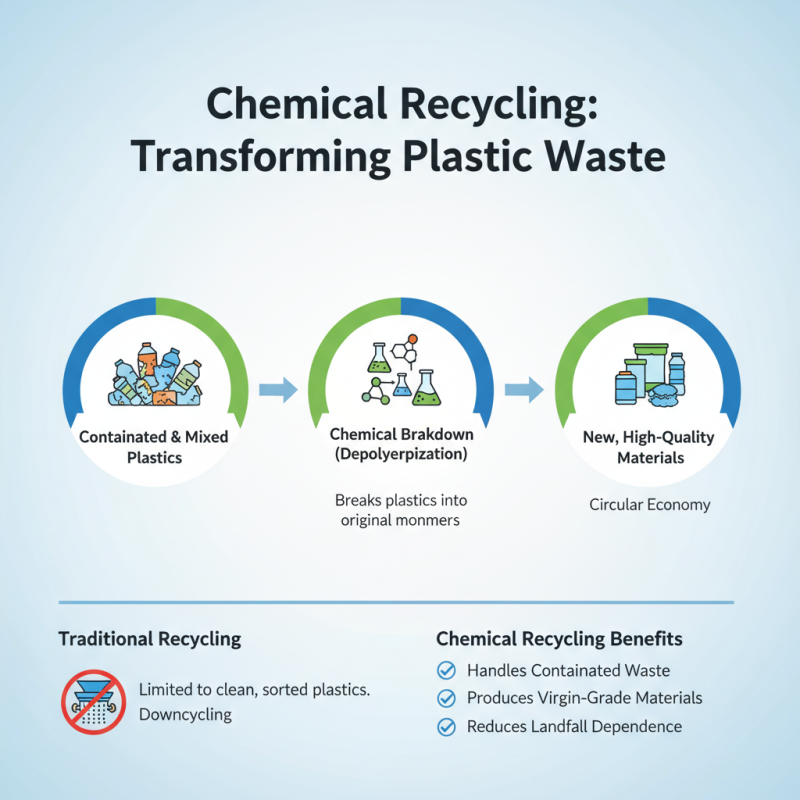
Chemical recycling is an innovative approach gaining traction in industrial plastic recycling. Unlike traditional methods, it breaks down plastics into their original monomers. This process allows for the creation of new, high-quality materials. It can handle contaminated plastics that mechanical recycling cannot process effectively.
Recently, advances in chemical recycling technologies have emerged. For example, pyrolysis transforms plastic waste into oil. This oil can then be refined into new plastics. Another technique, depolymerization, reverts plastics to their basic building blocks. These innovations reduce waste and promote sustainability.
However, these methods are not without challenges. The energy consumption can be high. Not all chemicals used are environmentally friendly. Despite these issues, ongoing research aims to improve efficiency and minimize ecological impact. Balancing these factors is crucial for sustainable practices in plastic recycling.
Challenges and Solutions in Industrial Plastic Recycling
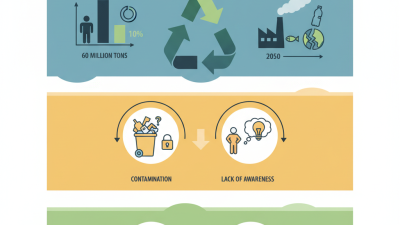
Industrial plastic recycling faces significant challenges. Contamination is a frequent issue. When plastics are not sorted correctly, they become unusable. Mixed plastics can result in higher processing costs. This makes it harder to recycle effectively. Education on proper disposal methods is crucial. It can significantly reduce contamination rates.
Another challenge is the lack of infrastructure. Many regions still struggle with adequate recycling facilities. This results in plastic waste ending up in landfills. Efforts should focus on developing local solutions. Investment in recycling technology is necessary. Advanced sorting machines can improve efficiency. Collaboration between industries can also drive innovation.
Consumer awareness plays a key role. Individuals must understand the recycling processes better. Campaigns can shift public perception about recycling. Engaging the community encourages responsible behavior. Overall, addressing these challenges requires a multi-faceted approach. Continuous improvement is essential in our recycling efforts.
Top Methods in Industrial Plastic Recycling for Sustainable Practices
| Method |
Description |
Challenges |
Solutions |
| Mechanical Recycling |
Process of reprocessing used plastics into new products. |
Contamination and material degradation. |
Implementing strict sorting and cleaning processes. |
| Chemical Recycling |
Breaking down plastics into their base chemicals for reuse. |
High energy consumption and cost. |
Investing in innovative technologies to reduce costs. |
| Biological Recycling |
Using microorganisms to break down plastics. |
Slow process and limited types of plastics. |
Researching new microorganisms and enzyme technologies. |
| Energy Recovery |
Harnessing energy from waste plastics through incineration. |
Greenhouse gas emissions. |
Developing advanced filtration and emissions control technologies. |
| Upcycling |
Transforming waste plastics into higher value products. |
Market demand and scalability. |
Creating partnerships with designers and consumers. |
Future Trends in Sustainable Plastic Waste Management
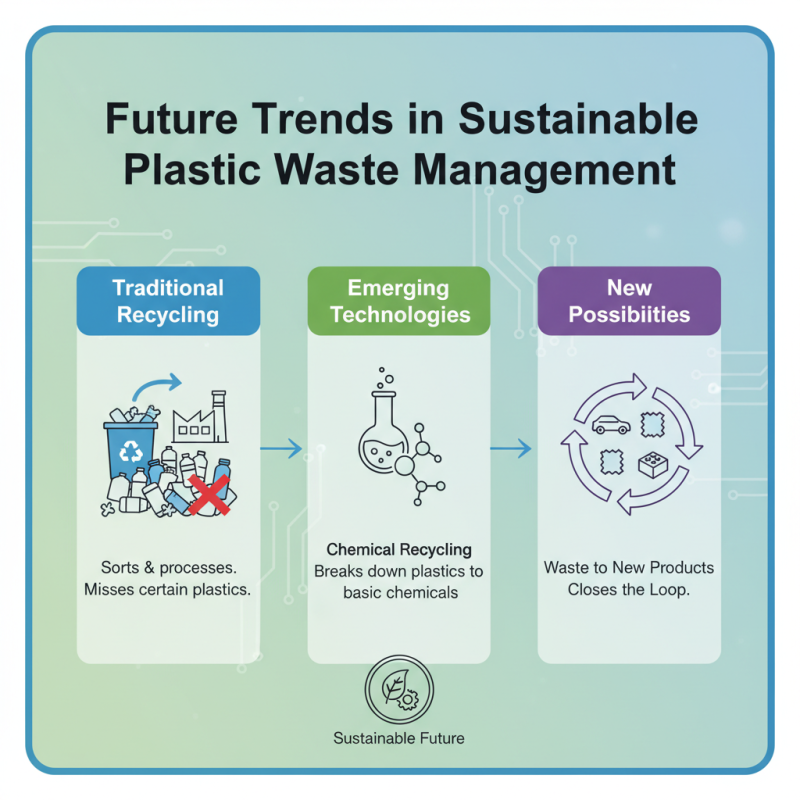
The landscape of plastic waste management is evolving. As industries seek sustainability, innovative recycling methods play a crucial role. Emerging technologies, such as chemical recycling, break down plastics more effectively. This method turns waste back into basic chemicals, allowing for new products. Traditional recycling often misses certain plastics. Chemical recycling addresses this gap.
Tips: Implement local recycling programs that educate employees. Regular workshops can improve awareness of proper waste disposal.
Another trend is the use of digital tools for tracking plastic waste. Blockchain technology can enhance transparency in recycling processes. This approach allows companies to verify the flow of materials. Nonetheless, challenges remain with data security and access.
Tips: Encourage partnerships with technology firms. Collaborating can lead to better waste tracking solutions. Consider pilot projects to test new technologies before full implementation.