2026 Best Tyre Recycling Practices for a Sustainable Future?
In recent years, Tyre Recycling has emerged as a crucial practice for promoting environmental sustainability. With millions of used tyres discarded annually, innovative recycling methods are essential. These practices not only reduce waste but also minimize the environmental impact of tyre disposal.
However, the journey towards effective tyre recycling is fraught with challenges. Many recycling facilities struggle with outdated technology and insufficient resources. This leads to lower recycling rates and increased landfill deposits. The industry must address these flaws to enhance efficiency and reliability.
Looking ahead to 2026, we must explore the best tyre recycling practices that work effectively. Collaboration among manufacturers, governments, and consumers is vital. It is through these partnerships that we can develop innovative solutions and set higher standards. By reassessing current methods, we can pave the way for a sustainable future in tyre management.

Overview of Tyre Recycling: Importance and Current Trends
Tyre recycling plays a crucial role in sustainable waste management. Every year, millions of tires are discarded, contributing significantly to environmental pollution. Recycling can convert used tires into valuable resources, reducing landfill waste and conserving raw materials.
Current trends in tyre recycling focus on innovative technologies. Methods such as pyrolysis and devulcanization are gaining traction. These techniques not only recover oil and carbon black but also enhance material quality. However, challenges remain. Many facilities lack proper infrastructure, hindering efficiency. Additionally, the market for recycled materials fluctuates, making investment uncertain.
Awareness of these issues is vital. Stakeholders must collaborate to advance recycling practices. Education on the environmental impacts of tire waste is also essential. Communities should be encouraged to participate in recycling programs actively. This collective effort can pave the way for a greener future.
Innovative Technologies in Tyre Recycling for Sustainable Practices
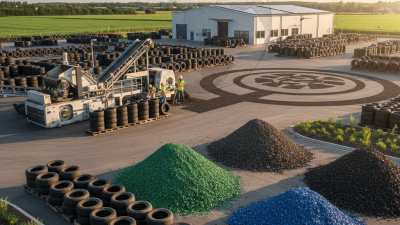
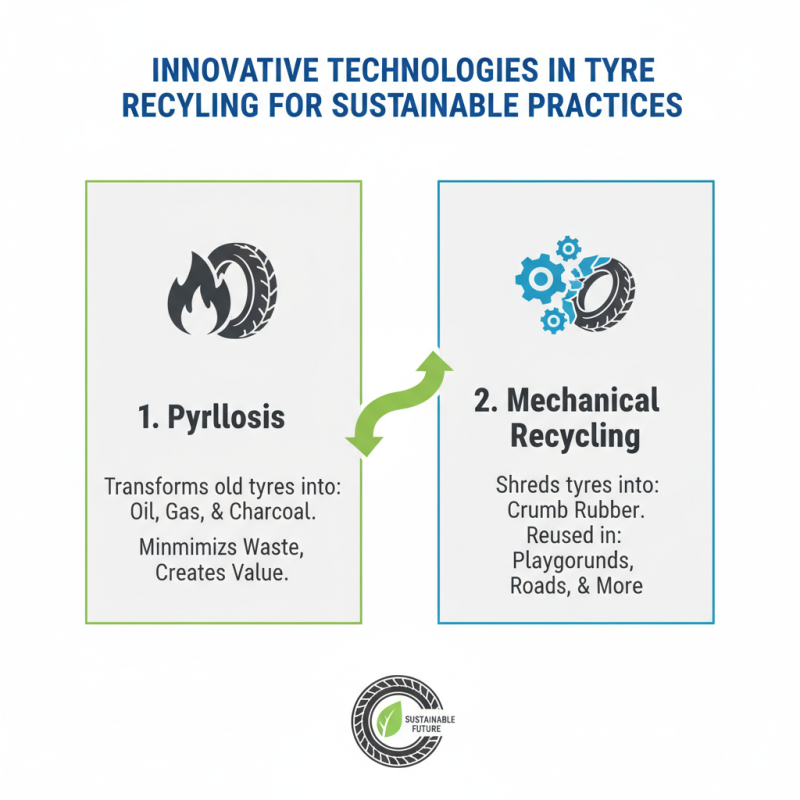
In the quest for sustainable practices, innovative technologies have emerged as crucial components in tyre recycling. Advanced methods, such as pyrolysis, transform old tyres into oil, gas, and charcoal. This process not only minimizes waste but also creates valuable resources. Furthermore, mechanical recycling techniques are gaining popularity. They shred tyres into crumb rubber, which can be repurposed in various applications like playground surfaces and road construction.
Tips: Consider exploring local recycling programs. Engaging with community initiatives fosters a culture of sustainability. Implementing a personal recycling plan can significantly reduce tyre waste. Look for opportunities to promote tyre reuse, like donating tyres for artistic projects.
While these technologies show promise, challenges remain. The economic viability of advanced recycling methods often raises questions. High initial costs can deter investment in new technologies. Moreover, maintaining quality in recycled materials is essential. This ensures that recycled products meet safety and performance standards. Sustainable practices in tyre recycling are not without their hurdles. Continuous innovation and collaboration are vital for overcoming these issues.
Best Practices in Tyre Collection and Processing for Optimal Efficiency
Tyre recycling is crucial for a
sustainable future. The global waste tyre market generated around
3.5 billion tyres in 2020, with only
20% recycled effectively. Improving tyre collection and
processing practices can enhance recycling efficiency.
One effective practice involves establishing designated collection points.
By placing these points in accessible locations, the public can easily drop off used tyres, minimizing illegal
dumping. Additionally, employing innovative sorting technologies can significantly improve processing.
Advanced machines can separate rubber, steel, and textile more efficiently, ensuring that materials are recycled
effectively.
Tips for enhancing tyre recycling include:
- Educate the community about recycling benefits.
- Collaborate with local businesses for collection drives.
- Utilize mobile apps to track tyre disposal locations.
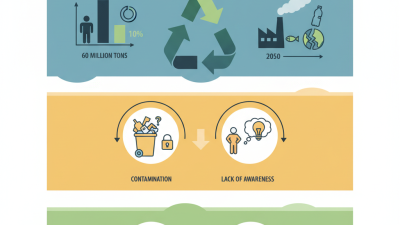
Challenges remain, such as contamination in recycled materials affecting quality.
Continuous innovation and knowledge sharing among
industry professionals can help address these issues. Emphasizing accountability in processing methods is
essential to improve overall sustainability.
Environmental Benefits of Effective Tyre Recycling Strategies
Tyre recycling plays a crucial role in fostering environmental sustainability. The global tyre market generates approximately 1.5 billion tyres annually. However, only about 30% of these tyres are recycled effectively, according to recent industry reports. This underutilization poses significant environmental challenges, as discarded tyres can take up to 1,000 years to decompose.
Effective tyre recycling strategies can yield remarkable environmental benefits. For example, recycled tyres can be transformed into high-quality materials for road construction. Research indicates that using crumb rubber in asphalt can increase the lifespan of roads by up to 50%. Additionally, recycling tyres conserves about 75% of energy compared to producing new rubber. These methods not only reduce landfill waste but also significantly decrease carbon emissions.
Despite these advantages, many recycling practices still require improvement. Some facilities lack the technology to process tyres efficiently. Furthermore, public awareness about the importance of tyre recycling remains low. This gap in knowledge may hinder efforts to implement better strategies. Encouragingly, governments and organizations are beginning to recognize the need for sustainable practices in tyre disposal. By addressing these shortcomings, we can enhance the positive impact of tyre recycling on our environment.
Future Directions: Advancements and Challenges in Tyre Recycling Practices
As we look toward 2026, tyre recycling is at a crossroads. New technologies are emerging, promising increased efficiency in reclaiming materials. Innovations like pyrolysis and devulcanization offer potential benefits. Yet, they also pose challenges regarding energy use and emissions. The balance between sustainability and technological feasibility is critical in the coming years.
The recycling process must adapt to changing tyre compositions. Modern tyres integrate synthetic materials, making recycling more complex. Ensuring that facilities can handle these materials is essential. Regulations are at varying stages globally, with some regions leading and others lagging. Collaborative efforts among manufacturers, recyclers, and policymakers are needed for a cohesive approach.
Consumer awareness plays a vital role in this evolution. Increased public interest in sustainability could drive demand for recycled materials. However, there is confusion about the effectiveness of current practices. This gap must be bridged through education and transparent processes. Fostering a culture of accountability will help improve recycling rates and practices. The path forward is not without its obstacles, yet the potential for a sustainable future remains bright.