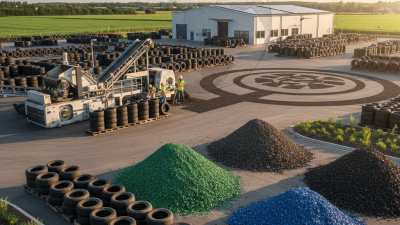
In today's world, sustainability is paramount. The Tyre Collection industry plays a crucial role in advancing eco-friendly disposal solutions. As noted by Dr. Fiona Green, a leading expert in environmental technology, “Innovative tyre collection practices can revolutionize waste management.” This insight emphasizes the potential for transforming used tyres into valuable resources.
There are numerous creative approaches to tire collection that prioritize ecological benefits. These methods not only reduce landfill impact but also promote recycling and repurposing. Consider how old tyres can be crafted into playground surfaces or garden planters. Such ideas illustrate the profound impact of thoughtful disposal on the environment.
Yet, challenges remain. Many regions still lack effective tyre collection programs. Awareness and community involvement are essential for change. Continuing to explore and implement innovative solutions is vital for the future of tyre collection and environmental health.
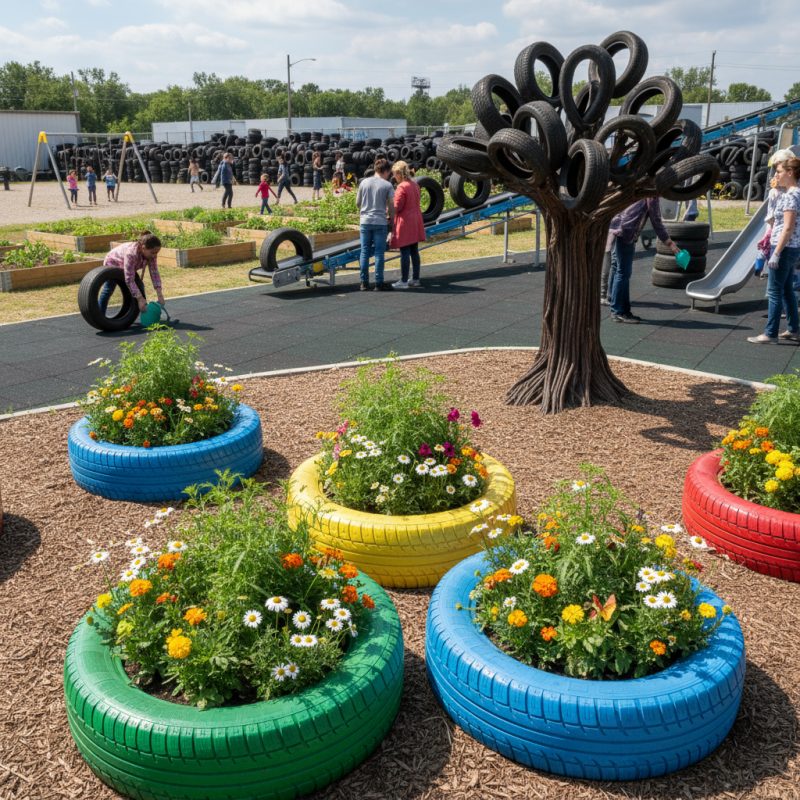
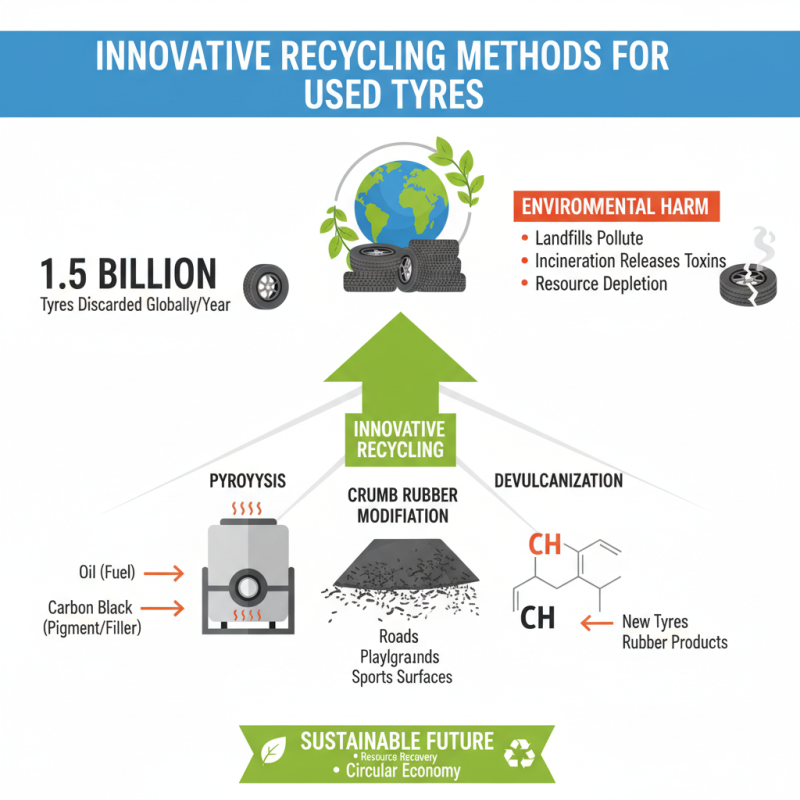
Innovative recycling methods for used tyres are essential for sustainable waste management. According to the European Tyre and Rubber Manufacturers Association, approximately 1.5 billion tires are discarded each year globally. This alarming figure highlights the urgent need for effective disposal solutions. Traditional methods often result in harmful environmental impacts. Innovative recycling methods can provide a viable alternative.
One promising strategy involves transforming tyres into granules for use in sports surfaces and playgrounds. These materials offer both durability and safety, reducing injuries during activities. Another approach is the pyrolysis process, which converts used tyres into oil, carbon black, and gas. Research shows that this method can recover up to 75% of the tyre's mass. Yet, the technology requires significant investment and presents challenges in scalability.
Creative uses of recycled tyres are also gaining popularity. They can be repurposed for landscaping, creating eco-friendly garden furniture, or even used as insulation material in construction. However, awareness and education are still lacking in many communities. Implementing these innovative methods requires collaboration among local governments, industry experts, and consumers to promote a circular economy effectively.
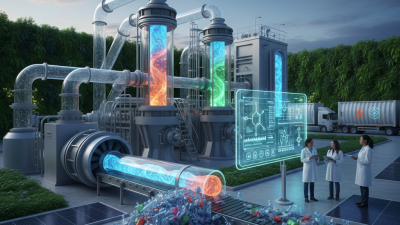
Old tyres often end up in landfills. This creates significant waste. According to the U.S. Environmental Protection Agency, around 290 million used tyres are generated each year in the country alone. Creative upcycling can change this. Transforming old tyres into useful items can dramatically reduce waste and promote environmental sustainability.
One popular upcycling idea is creating garden planters. Cut a tyre in half, paint it, and fill it with soil. This simple project adds a unique aesthetic to gardens. Another project involves turning tyres into playground equipment. Tyres can become swings or climbing structures. This not only recycles materials but also enhances children's play areas. Each project sparks creativity and can be customized.
However, these projects require careful execution. Painting tyres with unsuitable materials can introduce toxins. Moreover, not all tyre transformations are practical. Some designs may not withstand weather conditions or wear. Regular maintenance may be necessary to keep upcycling projects safe and appealing. Despite these challenges, the potential benefits are immense. Transforming waste into functional art illustrates creative problem-solving. The journey of upcycling is an ongoing learning experience.
Community-based tyre collection initiatives have emerged as effective solutions for eco-friendly tyre disposal. Local communities can mobilize resources to gather discarded tyres. This not only reduces landfill waste but also raises awareness about the environmental impact of tyres. Local events can foster community spirit. They also promote responsible disposal methods, creating educational opportunities for all ages.
Engaging local businesses and volunteers is crucial. They can sponsor collection drives or offer incentives for tyre donations. Often, communities face challenges like lack of participation or improper disposal practices. Addressing these issues requires persistent effort and creativity. Feedback from community members can improve future initiatives. Organizing informative workshops can empower residents with knowledge about recycling and repurposing tyres.
Success stories from various communities serve as inspiration. Some have transformed collected tyres into playground equipment or decorative landscaping features. These projects enhance the environment and provide practical benefits. However, consistent follow-through is necessary to maintain engagement and momentum. Open dialogue about the challenges can lead to collaborative solutions, ensuring that these initiatives are sustainable.
Proper tyre disposal plays a crucial role in environmental sustainability. Every year, millions of tyres are discarded improperly, leading to various ecological issues. When tyres are sent to landfills, they take up space and can leach harmful chemicals into the soil and water. These toxins pose risks to wildlife and human health. Understanding eco-friendly disposal methods helps mitigate these dangers.
Recycling tyres has numerous benefits. Instead of being wasted, tyres can be transformed into useful products. For instance, they can be converted into rubber mulch for landscaping or asphalt for roads. These alternatives not only conserve resources but also reduce the carbon footprint associated with new materials. Community awareness of tyre recycling is essential, yet many people remain unaware of these options. Educational programs can encourage responsible disposal and inspire more eco-friendly behaviors.
While many engage in good practices, not everyone has the access or knowledge required. Some regions lack the facilities to recycle tyres effectively. This gap in resources leads to systemic problems in waste management. Innovations in tyre collection and recycling processes are necessary to overcome these challenges. Building a better future requires collective effort and responsible actions from everyone.
| Idea | Description | Environmental Benefits | Potential Uses |
|---|---|---|---|
| Recycling | Turning old tyres into new products through shredding and processing. | Reduces landfill waste and promotes material reuse. | Rubber products, playground surfaces. |
| Upcycling | Creating new products of higher quality or value from discarded tyres. | Minimizes waste and enhances creative reuse. | Furniture, garden planters. |
| Energy Recovery | Using tyres as fuel in cement kilns and energy plants. | Reduces fossil fuel use while generating energy. | Cement manufacturing, power generation. |
| Artificial Reefs | Using old tyres to create underwater structures for marine life. | Promotes biodiversity and marine habitat restoration. | Fishing areas, recreational diving sites. |
| Tyre-Derived Aggregate | Using shredded tyres as a lightweight filler in construction. | Reduces the weight of materials; conserves natural resources. | Road construction, landfills. |
| Art Installations | Creating sculptures and installations from used tyres. | Encourages artistic expression and public awareness. | Public parks, galleries. |
| Playground Surfaces | Using shredded tyres to create safe play surfaces. | Enhances safety and offers cushioning for children. | Schools, community parks. |
| Erosion Control | Using tyres to stabilize soil and reduce erosion on slopes. | Protects landscapes and waterways. | Hillsides, riverbanks. |
| Animal Habitats | Using tyres to create homes for small animals. | Supports wildlife and promotes ecosystem balance. | Gardens, nature reserves. |
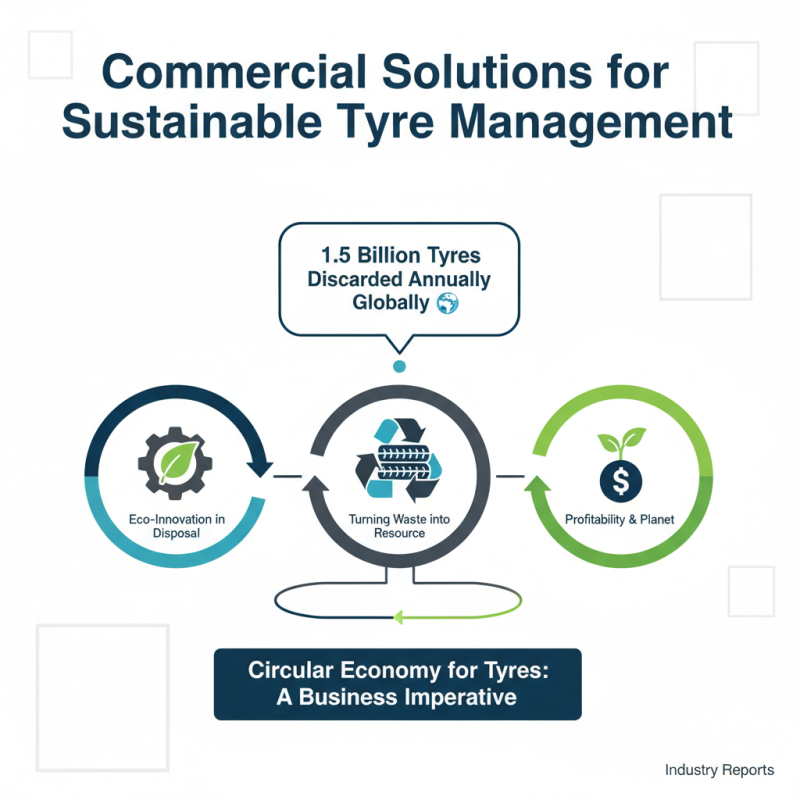
Sustainable tyre management is increasingly vital as the world grapples with waste. Every year, around 1.5 billion tyres are discarded globally, according to industry reports. This presents a critical opportunity for businesses to innovate in eco-friendly disposal solutions.
One effective method is tyre recycling. This approach not only reduces landfill waste but also repurposes materials for the production of new products like asphalt, playground surfaces, and even furniture. However, the recycling process requires investment in appropriate technology, which can be a challenge for some companies. Evaluating available resources and selecting effective recycling partners is key.
Another option is retreading, which extends the life of tyres. This process can reduce costs significantly, with reports showing savings of up to 30% compared to buying new. It's essential that businesses assess their tyre usage and durability, as retreading may not be suitable for all sectors.
Tips for sustainable tyre management include regularly reviewing tyre conditions and ensuring accurate pressure to extend tyre life. Moreover, engaging in community recycling programs can enhance a company’s environmental image. Striving for continuous improvement in these areas helps in reaching sustainability goals while addressing resource waste effectively.