China Best Garbage Incinerators for Efficient Waste Management Solutions?
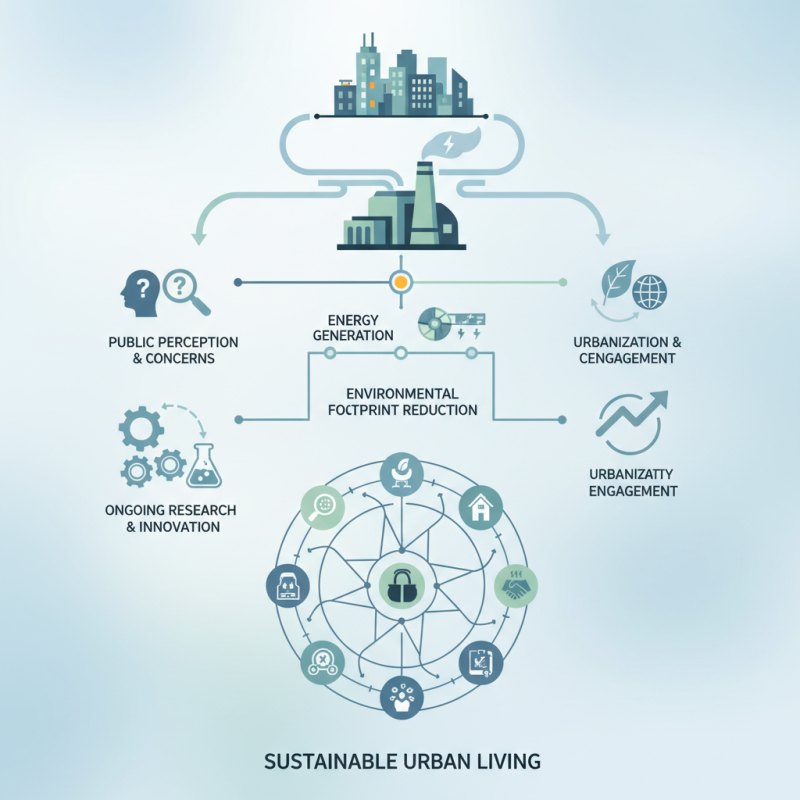
In recent years, China has made significant strides in waste management, particularly through the implementation of advanced Garbage Incinerators. These machines not only reduce waste volume but also generate energy. Dr. Wei Zhang, a leading expert in waste management solutions, states, "Efficient garbage incineration is crucial for sustainable urban living."
The role of Garbage Incinerators is vital in tackling the country’s waste crisis. With rapid urbanization, landfills are becoming inadequate. Garbage Incinerators offer a promising solution by converting waste into energy. They help minimize the environmental footprint and combat pollution. However, challenges remain in ensuring that these technologies are universally accepted.
Despite their benefits, public perception of Garbage Incinerators can be mixed. Some fear potential emissions and health impacts. Ongoing research is essential to address these concerns and improve technology. As China seeks to enhance its waste management strategies, the journey towards optimal Garbage Incinerators remains an evolving story, requiring continuous innovation and community engagement.
Overview of Waste Management Challenges in China
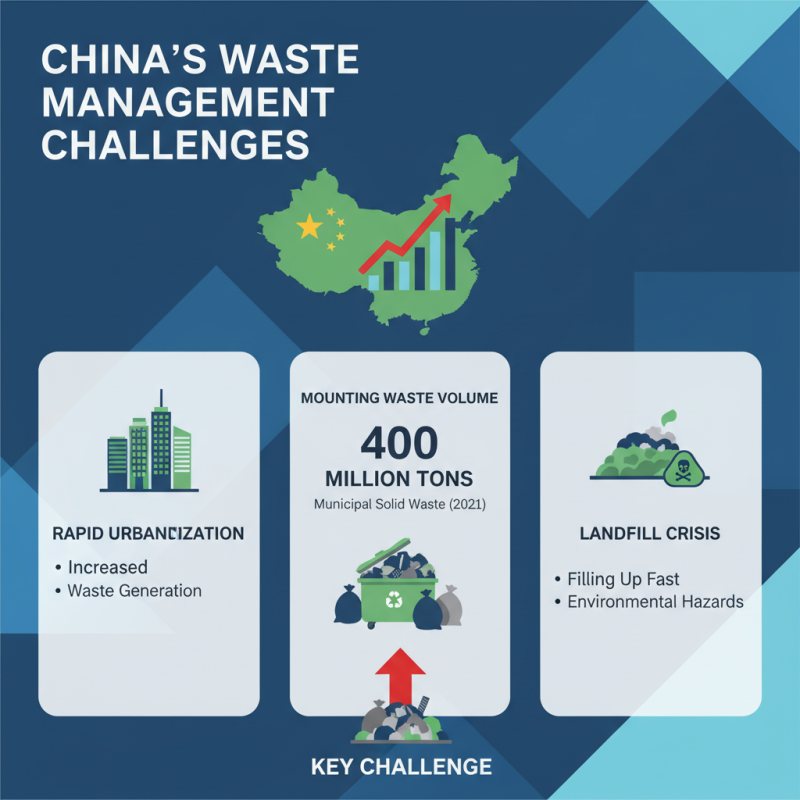
Waste management in China faces significant challenges. Rapid urbanization has led to soaring waste generation. In 2021, an estimated 400 million tons of municipal solid waste were produced. Many cities struggle to cope with this increasing burden. Landfills are filling up fast, leading to environmental hazards.
Incineration emerges as a potential solution. It reduces waste volume by around 90%. However, public perception of incinerators is often negative. Residents fear pollution and health risks. Education about modern incineration technology is crucial. Not all incinerators are the same; some operate with minimal emissions.
China must enhance its waste management strategies. Continuous improvement in technology is vital. Local governments can promote community engagement. Innovative practices can reshape public opinions. Choices made today will impact China's environmental future significantly. Waste management is a pressing issue that requires ongoing reflection and action.
Importance of Garbage Incineration in Modern Waste Solutions
Garbage incineration plays a crucial role in modern waste management solutions. With increasing urbanization, cities are grappling with mounting waste. According to the World Bank, global waste generation is expected to reach 3.4 billion tons annually by 2050. Efficient handling of this waste is imperative. Incineration not only reduces waste volume but also converts it into energy, thus contributing to sustainable practices.
However, incineration has its downsides. Emissions can pose environmental risks if not properly managed. Regular monitoring is essential to ensure that air quality standards are met. The International Energy Agency reported that modern incinerators can achieve over 80% energy recovery when designed with advanced filtration systems. Still, continuous technology improvements are necessary to mitigate potential harm.
Tips: Educate the community on the benefits and limitations of incineration. Promote recycling and composting as complementary approaches to waste management. Collaboration with local authorities is key to enhancing public awareness and participation.
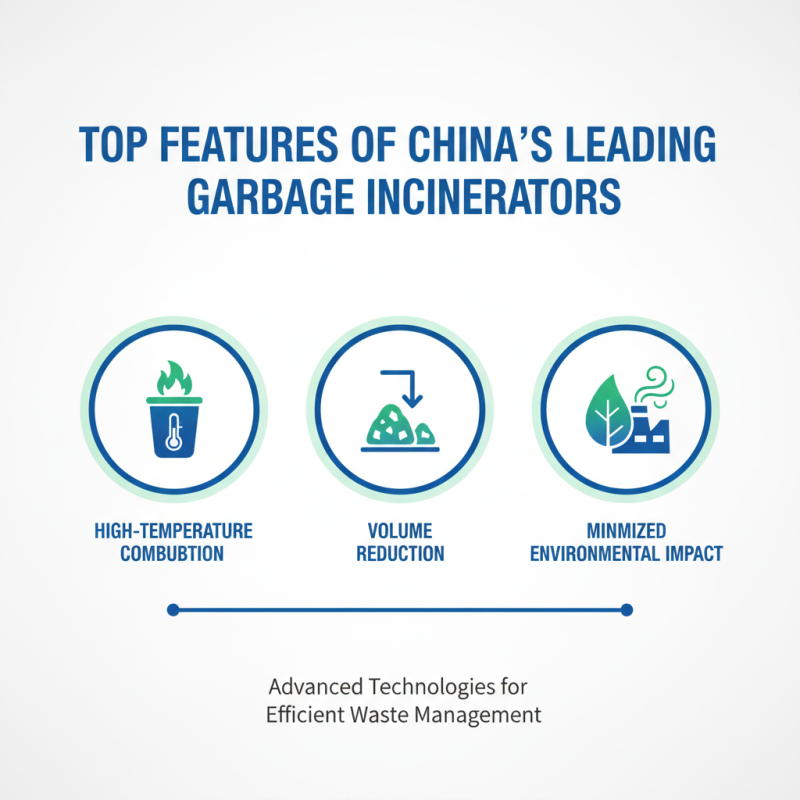
Top Features of China's Leading Garbage Incinerators
China has made significant advancements in waste management, particularly through garbage incineration. Leading incinerators come equipped with advanced technologies. These features enhance efficiency and minimize environmental impact. High-temperature combustion ensures complete waste breakdown. This process reduces the volume of waste significantly, making it easier to manage.
The best incinerators also incorporate emission control systems. These systems filter pollutants, ensuring cleaner air post-operation. Some technologies monitor emissions in real-time. This provides transparency and helps maintain compliance with environmental standards. While many incinerators boast impressive features, not all meet every regulatory requirement. Continuous improvement is crucial to keep pace with evolving regulations.
Energy recovery is another noteworthy aspect. Many incinerators convert waste into energy, promoting sustainable practices. This energy can power local grids or heat nearby facilities. However, the initial setup cost can be high. Investment in research and innovation remains essential for optimizing these solutions. Exploring different designs and technologies will support better waste management practices across the country.
Case Studies: Successful Implementation of Incinerators in China
China has made significant strides in waste management through the implementation of garbage incinerators. Various cities have successfully integrated these systems, showcasing their potential benefits. For instance, Beijing has developed an advanced incineration plant. This facility not only handles a large volume of waste but also generates energy efficiently. The process reduces landfill use, helping to tackle pollution issues.
Another notable case is in Shenzhen. The city has prioritized sustainability by employing waste-to-energy technologies. The incinerators in this area focus on minimizing emissions, yet challenges remain. Technical glitches and public resistance sometimes hinder progress. Transparency and community engagement are crucial for addressing these issues effectively.
Some cities still face hurdles in public perception. People often worry about health risks associated with incineration. Education and outreach can help demystify these technologies. While incinerators present a viable waste management solution, ongoing assessment and adaptation are necessary. The journey toward efficient waste management is ongoing, filled with lessons and opportunities for improvement.
China Best Garbage Incinerators for Efficient Waste Management Solutions
Future Trends in Garbage Incineration Technology and Sustainability
As global urbanization accelerates, waste management becomes increasingly critical. Incineration technology has evolved to address these challenges. Advanced incinerators now utilize cutting-edge methods to convert waste into energy. This helps reduce landfill use and generates electricity. However, the technology is not without its flaws. Concerns about emissions persist. Monitoring air quality remains essential to ensure public health.
Sustainability trends are reshaping incineration practices. Facilities are aiming for zero waste through improved processes. Emerging technologies promote better segregation and recycling of materials before incineration. Innovations such as plasma gasification show promise. They can transform waste into synthetic fuels. Yet, these methods require comprehensive research and development. The environmental impact must be carefully evaluated.
Governments are supporting research into cleaner incineration methods. Collaboration between industry and academia enhances technological advancements. A focus on circular economy principles is driving change. Stakeholders must remain attentive to social acceptance and environmental justice. Maintaining transparency in operations builds trust with the public. The future of waste management hinges on balancing efficiency and sustainability.
China Best Garbage Incinerators for Efficient Waste Management Solutions
| Technology Type |
Incineration Capacity (tonnes/day) |
Energy Recovery Efficiency (%) |
Emissions Control Features |
Sustainability Rating |
| Grate-Fired Incineration |
500 |
85 |
Flue Gas Treatment, Dioxin Removal |
High |
| Fluidized Bed Incineration |
300 |
90 |
Scrubber System, Particulate Control |
Moderate |
| Rotary Kiln Incineration |
400 |
80 |
Multi-stage Filtration, Carbon Capture |
High |
| Gasification |
200 |
95 |
Syngas Cleanup, VOC Reduction |
Very High |