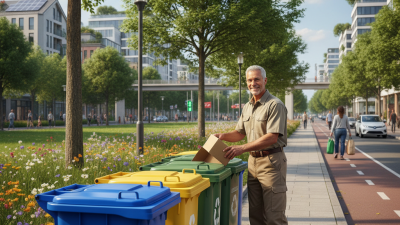
China Top Waste To Energy Technology Innovations and Their Impact?
The landscape of Waste To Energy Technology in China is rapidly evolving. Experts like Dr. Liu Wei, a prominent waste management researcher, emphasize its significance. “Harnessing waste effectively can transform our energy future,” he states. Innovations in this field are crucial to tackle the mounting waste challenge.
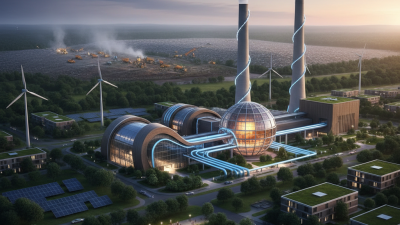
China's initiatives in Waste To Energy Technology highlight a dual goal: energy generation and waste reduction. The country is rapidly adopting state-of-the-art technologies. These advancements not only help manage waste but also turn it into a valuable resource. For instance, advanced incineration methods and anaerobic digestion systems are gaining traction.
However, challenges persist. Some technologies face efficiency issues, and public perception remains a hurdle. The road ahead is complex but essential. Addressing these shortcomings will be vital for maximizing the benefits of Waste To Energy Technology. Enhanced public engagement and ongoing innovation will play critical roles in shaping a sustainable energy future.
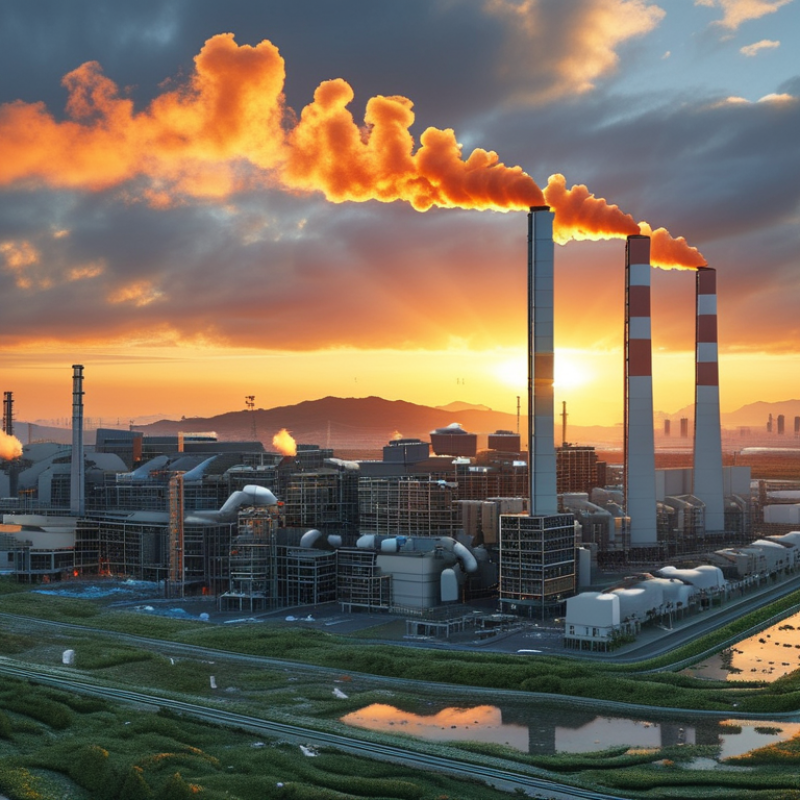
Overview of Waste to Energy Technologies in China
In recent years, China has emerged as a leader in waste to energy technologies. The rapid urbanization and population growth have led to a significant increase in waste production. According to the China National Resources Recycling Association, municipal solid waste in China is expected to reach 500 million tons by 2030. This poses a considerable challenge for waste management. Waste to energy (WtE) technologies, including incineration and anaerobic digestion, are part of the solution. These methods help divert waste from landfills while generating energy.
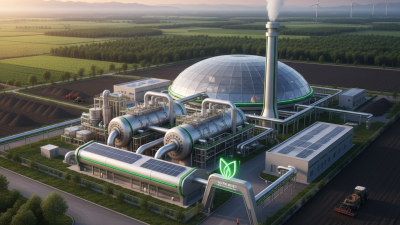
One of the most notable innovations is the development of advanced incineration facilities. These plants incorporate state-of-the-art air pollution control systems. According to a report from the International Energy Agency, modern incineration can achieve energy recovery rates of over 80%. This not only reduces the volume of waste but also transforms it into valuable energy. Additionally, anaerobic digestion processes are becoming popular for managing organic waste. They can produce biogas, which is an excellent renewable energy source.
**Tip:** Consider supporting local initiatives promoting recycling and waste reduction. Every small effort contributes to a more sustainable environment.
However, there are still challenges to overcome. Public perception of WtE technologies can be skeptical due to environmental concerns. Regulatory frameworks need to adapt to evolving technologies as well. Ongoing research is essential for addressing these issues and improving overall efficiency. The future of waste management in China hinges on balancing innovation with sustainable practices.
Key Innovations in Waste Treatment and Energy Recovery
In recent years, China's waste-to-energy technology has seen significant innovations. These advancements focus on efficient waste treatment and energy recovery. One prominent method is anaerobic digestion, which transforms organic waste into biogas. This process reduces landfill waste while generating renewable energy.
Another key innovation is the use of advanced thermal treatment methods. Technologies like gasification and pyrolysis break down waste into syngas. This gas can be converted into electricity or fuels. Such techniques offer cleaner alternatives to traditional incineration. However, concerns remain about emissions and the residual ash produced.
Public awareness is crucial in this field. Communities need to understand the benefits and limitations of these technologies. Transparency in operations is often lacking, leading to skepticism. Enhanced collaboration between government, technology developers, and the public could improve trust. Such partnerships will foster a more sustainable approach to waste management.
China Top Waste To Energy Technology Innovations and Their Impact
| Innovation |
Description |
Impact on Waste Treatment |
Impact on Energy Recovery |
| Anaerobic Digestion |
A process that breaks down organic matter in the absence of oxygen, converting waste into biogas. |
Reduces organic waste volume and promotes resource recovery. |
Generates renewable energy, reducing reliance on fossil fuels. |
| Plasma Gasification |
Uses high temperatures to convert organic and inorganic waste into syngas and slag. |
Minimizes landfill usage and treats hazardous waste efficiently. |
Produces cleaner energy sources from waste materials. |
| Thermal Treatment |
Involves incineration to convert waste into ash, flue gas, and heat. |
Reduces waste volume significantly and ensures safe disposal of harmful substances. |
Recovers energy in the form of electricity and heat from waste combustion. |
| Mechanical Biological Treatment (MBT) |
Combines mechanical sorting with biological treatment to process waste. |
Enhances recycling rates and reduces the amount sent to landfills. |
Produces high-quality refuse-derived fuel (RDF) for energy generation. |
| Vertical Farming Integration |
Uses organic waste as fertilizer in vertical farming setups. |
Reduces food waste and promotes sustainable agriculture practices. |
Contributes to local energy-efficient food production systems. |
Environmental and Economic Impacts of Waste to Energy Solutions
China has been making strides in waste-to-energy (WtE) technology, focusing on environmental and economic impacts. Reports indicate that the WtE sector can produce up to 28 million tons of electricity annually. This advancement not only addresses waste management but also mitigates landfill overflows, which can be a significant problem in urban areas. In 2022, approximately 40% of municipal solid waste was processed through WtE, demonstrating the increasing reliance on this technology.
Economic benefits are equally compelling. The WtE industry could generate about $54 billion in revenue by 2030, creating thousands of jobs in engineering, construction, and plant operations. However, challenges remain. For instance, emissions from WtE plants can pose risks if not managed correctly. It is crucial to adopt advanced filtration technologies to minimize these concerns, ensuring that environmental standards remain high.
Tip: Communities should assess local waste types before implementing WtE solutions. Knowing the waste composition can optimize energy recovery processes. Awareness of public concerns about emissions can lead to better community engagement. Understanding the technology helps organizations make informed decisions, balancing energy needs with sustainability goals.
Challenges and Opportunities for Waste to Energy Adoption in China
China faces significant challenges and opportunities in adopting waste-to-energy technology. Rapid urbanization generates massive waste. Efficiently managing this waste is crucial. Advanced technologies exist, but their implementation often lacks support. Regulatory hurdles and public skepticism hinder progress. Awareness about the benefits is still low among citizens.
Moreover, technology upgrades require significant investment. Smaller cities struggle with budgeting. They need tailored solutions that fit local needs. Educational initiatives can bridge this gap, fostering trust and understanding. Successful projects can serve as models. They demonstrate tangible benefits like improved air quality and reduced landfill use. Adaptation is vital to meet diverse community needs.
Innovative approaches remain essential. AI and automation can enhance energy extraction processes. However, lingering concerns about emissions and environmental impacts need addressing. Continuous assessments can ensure technology aligns with sustainable goals. Collaboration is key among stakeholders. Only then can real progress be made in transforming waste into a valuable energy resource.
Future Trends in Waste to Energy Technology Development in China
China is increasingly focusing on waste-to-energy technology to address its growing waste management challenges. Reports indicate that the country generates over 210 million tons of municipal solid waste annually. By 2025, it's expected that 30% of this waste will be converted into energy. This shift presents both opportunities and challenges.
Innovations in thermal treatment and anaerobic digestion are gaining traction. Data from recent studies highlight that China’s waste-to-energy plants can generate approximately 1,200 MW of power. However, public acceptance and concerns over emissions remain significant hurdles. The government is prioritizing stricter regulations and incentives to enhance environmental performance.
Future trends show a move toward more integrated waste management systems. Cities will adopt smart technologies to optimize operations. However, reliance on outdated infrastructure could impede progress. Increased collaboration among stakeholders is essential to ensure sustainable development. China’s journey in waste-to-energy technology reflects its commitment to tackling pollution and resource scarcity.