2026 Best Waste Energy Plant Solutions for Global Buyers?
As the world increasingly focuses on sustainability, the demand for efficient waste management solutions rises. Waste Energy Plants represent a pivotal innovation in this sector. These facilities convert waste into valuable energy, addressing two critical issues: waste disposal and renewable energy production.
In 2026, global buyers will seek the best Waste Energy Plant solutions. They will require systems that not only maximize energy output but also minimize environmental impact. The technology behind these plants continues to evolve. Innovations in processing techniques and emissions control are essential for their success. However, challenges remain. Ensuring consistent waste input quality and adapting to local regulations require careful consideration.
The choices in the market are diverse, yet the proper alignment of technology and local needs is vital. Buyers must weigh options and reflect on their long-term impacts. This process is intricate, often demanding continuous investment in research and development. As we explore these solutions, remember that the effectiveness of a Waste Energy Plant depends on its design, operation, and the community it serves.
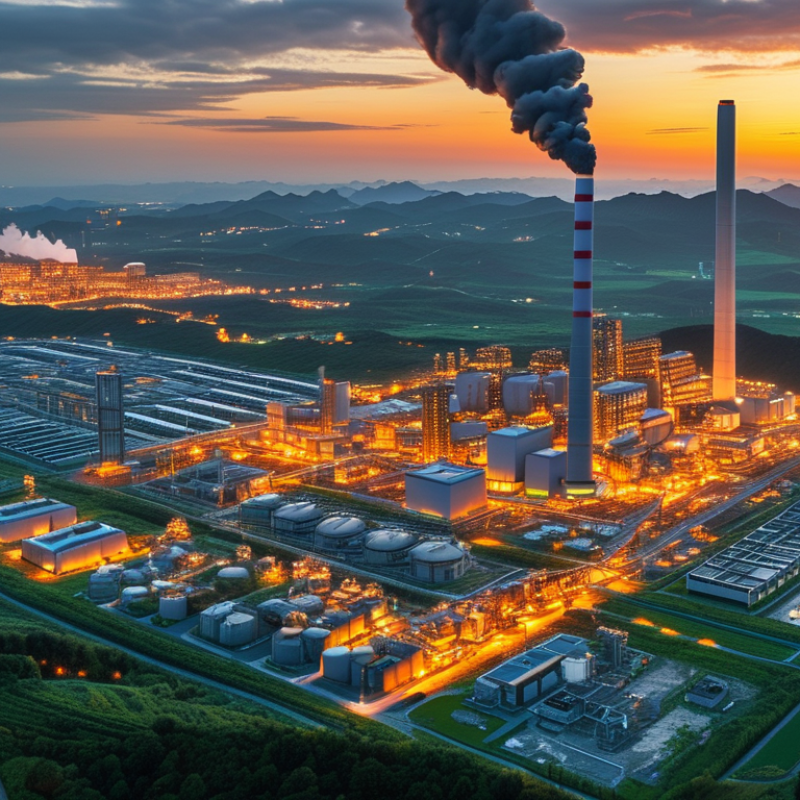
Overview of Waste Energy Technology Trends for 2026
As we approach 2026, waste energy technology continues to evolve, demonstrating promising trends in efficiency and sustainability. Recent reports state that global waste generation is expected to reach 3.4 billion tons annually by 2050. Such figures stress the importance of effective waste management solutions. Modern waste-to-energy (WtE) plants are implementing advanced technologies to convert waste into clean energy. These plants can potentially reduce landfill volume by up to 90%.
One significant trend is the integration of smart technologies in waste energy systems. Innovations in automation and data analytics are helping optimize operations. For instance, predictive maintenance can improve plant reliability and reduce downtime by 15-20%. Another focal point is the development of anaerobic digestion techniques. These methods enhance biogas production, thereby increasing overall energy yield.
Despite these advances, challenges remain. High initial costs and regulatory hurdles can deter investment. Furthermore, public acceptance of waste energy solutions often requires stronger outreach. For successful implementation, it is crucial to address these barriers while promoting awareness of the environmental benefits, aiming for a more sustainable future in energy production.
2026 Best Waste Energy Plant Solutions for Global Buyers
| Technology Type |
Capacity (MW) |
Efficiency (%) |
Investment Cost ($/MW) |
Emissions (gCO2/kWh) |
Market Adoption (%) |
| Incineration |
25 |
20 |
500,000 |
400 |
70 |
| Anaerobic Digestion |
10 |
25 |
600,000 |
150 |
65 |
| Gasification |
40 |
30 |
700,000 |
250 |
60 |
| Plasma Arc Gasification |
20 |
40 |
900,000 |
200 |
50 |
| Landfill Gas Recovery |
5 |
15 |
200,000 |
100 |
75 |
Key Features of Leading Waste Energy Plant Solutions
As the global demand for sustainable energy solutions rises, waste energy plants are gaining prominence. These facilities convert waste into energy, offering a multi-faceted approach to tackling waste management and energy generation. Key features of leading systems include advanced waste sorting technologies. These ensure efficient separation of recyclable materials, minimizing landfill use and enhancing resource recovery.
Another critical aspect lies in efficient energy conversion processes. Leading waste energy plants utilize cutting-edge technologies like gasification and pyrolysis. These methods facilitate higher energy yields while reducing emissions significantly. The incorporation of real-time monitoring systems also enhances operational efficiency, allowing for quick adjustments and optimizations during the energy conversion process.
However, while these technologies promise great benefits, they are not without challenges. Integration into existing waste management frameworks can be complex. Additionally, community acceptance remains a crucial hurdle. Engaging local stakeholders is vital to overcoming concerns related to emissions and odor. Addressing these gaps can lead to more robust waste energy solutions, benefiting both communities and the environment.
2026 Best Waste Energy Plant Solutions for Global Buyers
This chart illustrates the annual energy output (in GWh) and carbon reduction (in metric tons) achieved by various waste energy plant solutions in 2026. The data indicates the effectiveness of these plants in contributing to sustainable energy production and environmental conservation.
Sustainability and Environmental Impact of Waste Energy Solutions
Waste energy solutions are increasingly recognized for their potential sustainability benefits. According to a 2022 report from the International Energy Agency, waste-to-energy facilities can potentially reduce greenhouse gas emissions by up to 55%. These plants convert municipal solid waste into energy, diverting waste from landfills while generating electricity or heat.
However, the environmental impact of waste energy solutions is complex. While they help manage waste, emissions from the processes can contribute to air pollution. Some studies indicate that dioxins and heavy metals can be released during waste incineration. The European Commission has suggested a critical approach is essential to monitor emissions effectively to mitigate these risks.
Furthermore, public perception plays a significant role in the adoption of these technologies. Many communities express concerns about the health implications of living near waste energy plants. As technology advances, transparency and ongoing research are crucial for addressing these concerns. Sustainable waste management must balance energy generation with environmental health.
Market Analysis: Top Global Buyers of Waste Energy Plants in 2026
In 2026, the demand for waste energy plants is expected to rise sharply. According to recent market analysis, key global buyers include countries investing heavily in renewable energy solutions. The global market for waste-to-energy technology is projected to grow at a CAGR of 7.5% from 2023 to 2026. This growth is driven by both environmental concerns and the need for energy security.
Cities are looking for alternatives to traditional waste disposal methods. For instance, Europe leads the market, with about 50% of waste energy plants located there, according to the International Energy Agency. Advanced technologies in gasification and anaerobic digestion are gaining traction. However, challenges remain. The high initial investment and regulatory hurdles can deter new players in the market.
Waste energy solutions also face scrutiny regarding efficiency. Reports suggest that many existing plants operate below optimal capacity. Improvement in operational efficiency is crucial for future success. Buyers must carefully evaluate these factors to make informed decisions. Understanding local regulations and market dynamics is essential for any buyer looking to invest in this sector.
Case Studies: Successful Waste Energy Plant Implementations Worldwide
Across the globe, waste energy plants are innovating how we think about waste management. Many successful implementations highlight unique approaches to energy recovery. In Europe, a facility recently transformed municipal waste into electricity. Their process reduced landfill use significantly while generating power for thousands of homes. The community reported lower waste disposal costs and increased local job opportunities.
In Asia, another project faced challenges with technology adaptation. Initial equipment failures led to inefficiencies. However, the team learned from these setbacks, refining their process. They implemented better training for staff and upgraded systems. As a result, the plant now operates smoothly, converting waste into energy more effectively. Such examples illustrate the ongoing need for adaptability in waste energy solutions.
While many plants showcase success, not all projects have reached their goals. Some struggled with public perception. Engaging communities early on can mitigate doubts. Transparency about operations fosters trust, essential for long-term success. These case studies demonstrate the power of learning from experience and community involvement in waste energy initiatives.