2026 Top Trends in Old Tire Disposal Solutions and Innovations?
The challenge of Old Tire Disposal has risen significantly in recent years. With millions of tires discarded annually, this issue demands innovative solutions. Traditional methods often lead to environmental hazards and resource waste. Therefore, exploring new techniques and technologies is essential in managing this growing problem.
Innovations in recycling and reusing tires are emerging rapidly. Advances in technology enable more effective methods for tire breakdown and repurposing. In 2026, we will likely witness even more creative strategies that not only tackle disposal issues but also utilize old tires in eco-friendly ways.
However, challenges remain. Not every solution is sustainable or easy to implement. Stakeholders must critically evaluate these new approaches, ensuring they are not merely temporary fixes. The journey towards effective Old Tire Disposal requires collective effort and a commitment to a greener future.

Emerging Technologies in Tire Recycling: 2026 Innovations Overview
In 2026, the tire recycling industry is set for significant innovations. Emerging technologies are paving the way for more efficient disposal solutions. A report from the Environmental Protection Agency highlights that over 290 million scrap tires are generated in the U.S. annually. The need for effective recycling methods is crucial.
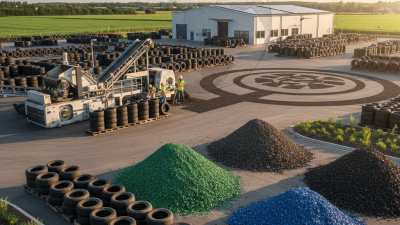
One notable advancement is the use of pyrolysis. This process converts tires into oil, steel, and carbon black. Studies showed that this method could reduce landfill waste by up to 90%. However, challenges remain, such as high initial costs and energy requirements. Many facilities struggle to profit from these operations, necessitating further research.
Another innovation is devulcanization, which breaks down sulfur bonds in tires. This technology helps recycle rubber for reuse in new products. As per industry estimates, devulcanization could allow for 60% more rubber to be recycled. Yet, the process is complex and not widely adopted. Efforts to refine the process continue, as experts acknowledge it is still in its infancy. Innovative solutions are vital, but sustainability and efficiency must be prioritized in future developments.
Analysis of Environmental Regulations Impacting Tire Disposal Practices
The impact of environmental regulations on tire disposal is increasingly significant. In the U.S., nearly 290 million scrap tires were generated in 2020. Strict regulations govern how these tires are managed. Many states enforce programs designed to promote recycling and reduce illegal tire dumping. For example, several regions have adopted performance-based standards to encourage sustainable practices.
Despite progress, challenges remain. Some disposal methods still produce harmful emissions, raising concerns for local communities. A report indicated that around 25% of scrap tires still end up in landfills, defying regulations. These trends emphasize the need for better compliance strategies among industry players. Cutting-edge technologies can aid, but their adoption is often slow.
Innovative approaches in tire disposal are essential. Methods like pyrolysis and crumb rubber applications are gaining traction. However, effective implementation requires ongoing education and collaboration among stakeholders. Research shows that when communities engage with recycling methods, tire recovery rates can improve by over 50%. The gap between regulations and actual practices calls for reflection and action from all involved.
Cost-Effectiveness of Modern Tire Disposal Techniques: A Comparative Study
The management of old tires is increasingly critical as the global stockpile grows. According to a report from the Environmental Protection Agency (EPA), approximately 300 million tires are discarded in the U.S. each year. This poses significant environmental threats. Therefore, modern tire disposal techniques are essential for sustainability.
Cost-effectiveness is a significant factor in evaluating tire disposal methods. A comparative study by the Rubber Manufacturers Association highlighted that innovations like pyrolysis can reduce the average disposal cost by 30%. This technique converts tires into valuable byproducts like oil and carbon black. However, the initial investment remains high, which can deter small businesses. Furthermore, traditional methods like landfill disposal are often cheaper but lead to long-term environmental damage.
Emerging solutions such as tire recycling facilities are becoming more popular. They can recover up to 80% of tire material for reuse. Yet, these facilities face challenges. The recycling process can be inefficient and not all tires are suitable for recycling. Ongoing research aims to improve these technologies, but a clear path forward is complex. As we look to 2026, the industry must balance cost with environmental responsibility.
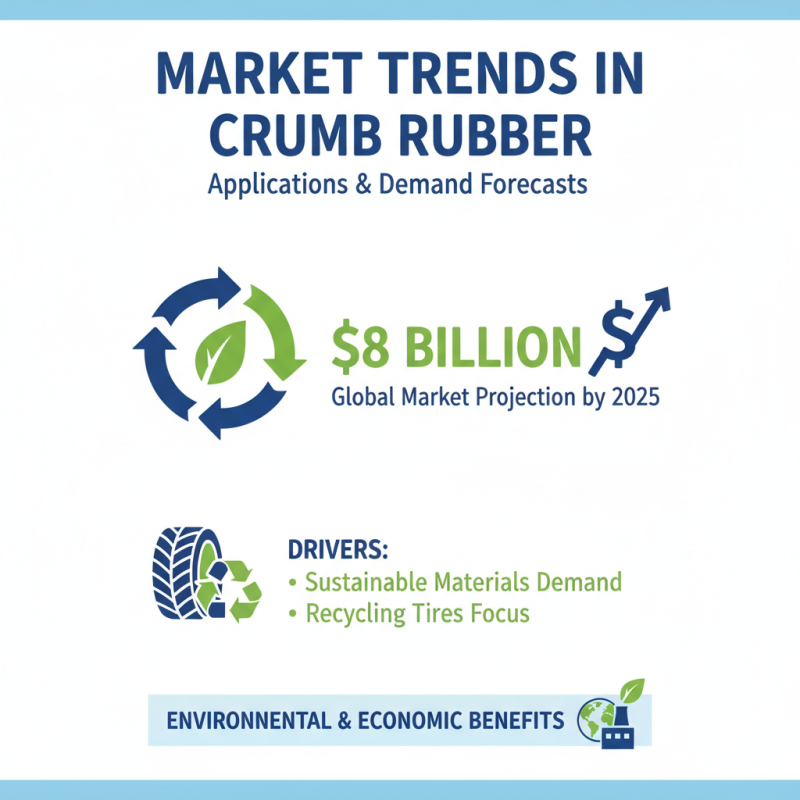
Market Trends in Crumb Rubber Applications and Demand Forecasts
The market for crumb rubber applications is witnessing remarkable growth, driven by increasing demand for sustainable materials. According to recent industry reports, the global crumb rubber market is projected to reach $8 billion by 2025. This surge is attributed to the rising focus on recycling tires, which presents both environmental and economic benefits.
Crumb rubber is extensively employed in various applications, including asphalt modification and sports surfaces. The transportation sector, in particular, has identified crumb rubber as a viable solution for enhancing road performance. While these innovations look promising, challenges remain. Quality control issues and varying material standards complicate widespread adoption. A thorough understanding of regional regulations is essential for companies seeking to navigate this complex landscape.
Demand forecasts suggest that the construction industry will become a significant consumer of crumb rubber. However, existing supply chain limitations pose hurdles. The need for more effective recycling processes remains paramount. As industries evolve, the focus will also shift toward developing superior disposal technologies. Innovations must address environmental concerns while ensuring economic feasibility. Overall, the future of crumb rubber applications is bright, yet it requires collective effort for substantial progress.
Circular Economy Models for Sustainable Tire Management Solutions
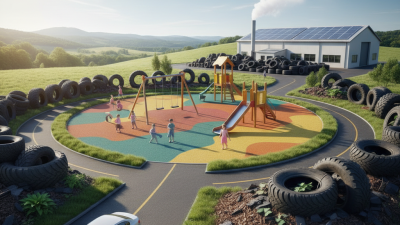
The shift toward circular economy models in tire management is crucial for sustainability. In the U.S. alone, nearly 290 million tires are discarded annually. Innovative disposal solutions focus on reusing and recycling these tires to reduce waste. Companies are developing technologies that transform old tires into new products, such as asphalt and playground surfaces. This not only diverts waste from landfills but also conserves resources.
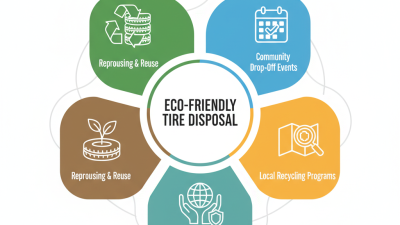
Tips: Explore local recycling programs. Many communities offer tire collection events. Checking with local authorities can reveal valuable recycling options.
Recent studies suggest that only 14% of old tires are recycled into new tires. The rest often end up in landfills, incinerated, or illegally dumped. This highlights the need for better systems and policies. Research indicates that transitioning to circular economy practices could reduce the environmental impact of tire disposal by up to 70%. The industry must innovate to create sustainable solutions.
Tips: Consider alternative materials for new tire production. Innovations in biodegradable materials can lead to less waste in the long run. Engaging with companies that prioritize sustainability is essential.
2026 Top Trends in Old Tire Disposal Solutions and Innovations
| Trend |
Description |
Benefits |
Implementation Challenges |
| Devulcanization Technology |
Processes that break down the chemical structure of rubber for reuse. |
Increases potential for recycling, reduces waste. |
High energy requirements and complexities involved in processing. |
| Granulated Rubber Use |
Using recycled rubber granules in asphalt and construction materials. |
Reduces material costs, enhances performance of final products. |
Need for regulatory approvals and quality control measures. |
| Tire-to-Energy Facilities |
Converting tires into fuel and energy through incineration. |
Provides energy source, diverts waste from landfills. |
Environmental concerns regarding emissions and public opposition. |
| Innovative Product Development |
Creating new products from recycled tire materials, like flooring or furniture. |
Promotes circular economy, diversifies product range. |
R&D costs and market acceptance hurdles. |
| Regulatory Enhancements |
Stricter regulations pushing for improved tire disposal practices. |
Encourages innovation and accountability in waste management. |
Compliance costs and potential impact on operational practices. |