Top 10 Methods for Efficient Garbage Waste Disposal in China
Effective garbage waste disposal is crucial for urban sustainability in China. The nation generates over 500 million tons of garbage annually, a staggering figure that highlights the pressing need for efficient solutions. With rapid urbanization, cities like Beijing and Shanghai face immense pressure to manage waste effectively. Reports from the Ministry of Ecology and Environment indicate a significant increase in municipal waste over the past decade, making effective waste management a priority.
Innovative strategies are essential as traditional methods fall short. Many cities are exploring advanced recycling techniques, composting, and waste-to-energy technologies. However, challenges remain. Public awareness and participation in recycling programs are often lacking. A report by the China National Resources Recycling Association emphasizes the need for better community engagement in garbage waste disposal practices.
Overall, the push for more effective garbage waste disposal methods is a reflection of broader environmental goals in China. The effectiveness of these methods will depend not only on technology but also on public cooperation and policy support. As cities innovate, they must reflect on the complexities of waste management and strive for improvement.

Innovative Recycling Techniques for Urban Waste Management in China
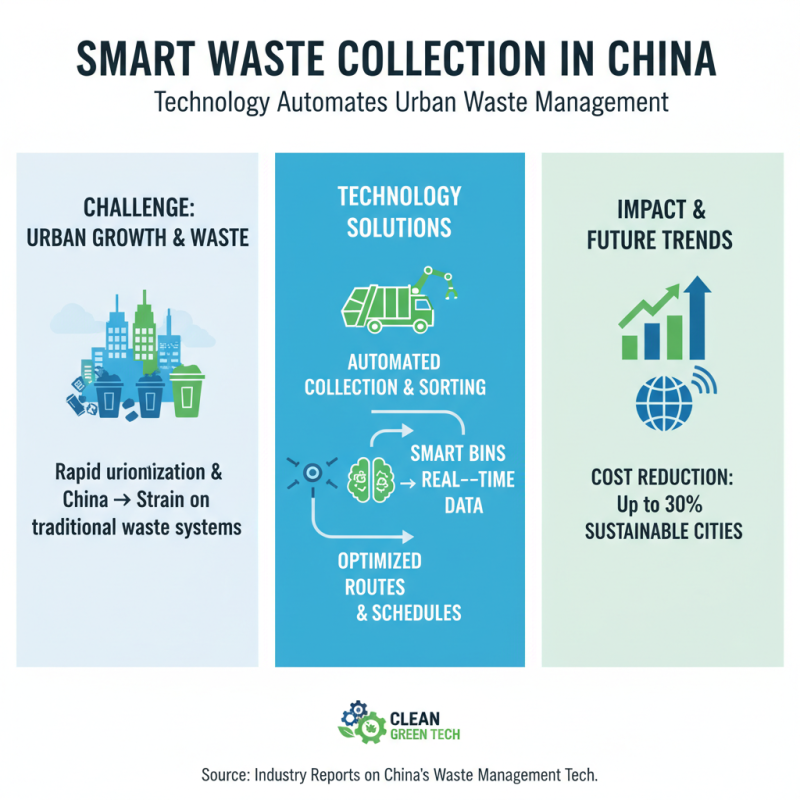
Urban waste management in China is evolving through innovative recycling techniques. Cities generate millions of tons of waste weekly. In 2021, approximately 250 million tons of municipal solid waste were produced across major urban areas. Effective recycling is vital for addressing this pressing issue.
The implementation of source separation programs is crucial. It encourages residents to sort their recyclables from organic waste. This technique has improved recycling rates significantly, achieving over 35% in major cities. Municipalities benefit by reducing landfill use and promoting sustainable practices among citizens.
Tips: Consider participating in local recycling workshops. They can help raise awareness about proper waste disposal. Additionally, explore ways to reduce plastic use. Using reusable bags can contribute significantly to less waste generation.
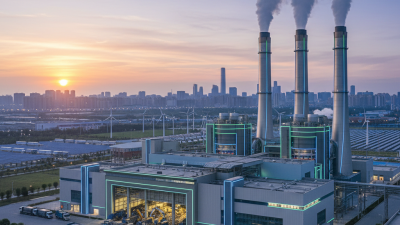
China's "waste-to-energy" plants are gaining traction. They convert waste into electricity, reducing landfill impact. However, these plants require careful management and regulatory oversight. Striking a balance between energy generation and environmental protection remains a challenge. Continuous improvement is essential in this sector.
Promoting Waste Segregation Practices at the Household Level
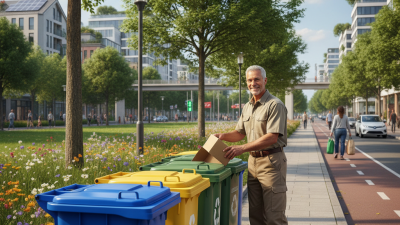
Promoting waste segregation at the household level is essential for improving waste management in China. Many families overlook the importance of separating recyclable materials from waste. This simple practice can lead to better recycling rates. For example, separating plastics, metals, and paper reduces the volume of waste sent to landfills. It’s surprising how much recyclable material often ends up in regular trash bins.
Education plays a pivotal role in encouraging effective waste segregation. Families often lack proper knowledge about what can be recycled. Workshops can teach the community about recycling benefits and guidelines. Implementing clear labeling on waste bins is another practical approach. Easy-to-understand graphics can guide households in sorting waste properly. Nevertheless, some people may still ignore these practices due to convenience.
To make a significant impact, initiatives must overcome these challenges. Engaging local communities and governments forms a solid network for waste management. Community-driven events can inspire residents to change. Observing neighbors’ efforts can motivate others to follow suit. However, the journey toward efficient waste disposal is ongoing and requires consistent effort from everyone. Each small step in proper waste segregation contributes to a larger positive impact on the environment.
Public Awareness Campaigns for Sustainable Waste Disposal Methods
Public awareness campaigns are crucial for promoting sustainable waste disposal methods in China. According to a 2022 report by the National Bureau of Statistics, only 35% of urban residents actively participate in recycling programs. This statistic highlights the need for effective educational initiatives. Engaging communities through workshops can inspire individuals to take responsibility for their waste.
Social media platforms have proven effective in raising awareness. Campaigns that emphasize the environmental impact of improper waste disposal can reach a broad audience. In 2021, a study indicated that 65% of respondents changed their waste disposal habits after viewing educational content online. However, many cities still struggle with misinformation about waste segregation. Clarifying these misconceptions is vital for improving community participation.
Involving local schools in awareness initiatives nurtures a culture of sustainability. Providing children with hands-on recycling activities can instill lifelong habits. Yet, achieving widespread behavioral change remains a challenge. A recent survey found that 40% of participants did not know where to find local recycling facilities. This gap in information suggests that continuous efforts are necessary to track progress and adjust strategies accordingly.
Top 10 Methods for Efficient Garbage Waste Disposal in China
This chart illustrates the effectiveness of various garbage waste disposal methods in China based on public awareness and adoption rates. The data reflects percentage values representing the proportion of the population aware of or using these methods.
Collaborative Efforts Between Government and Private Sectors in Waste Management
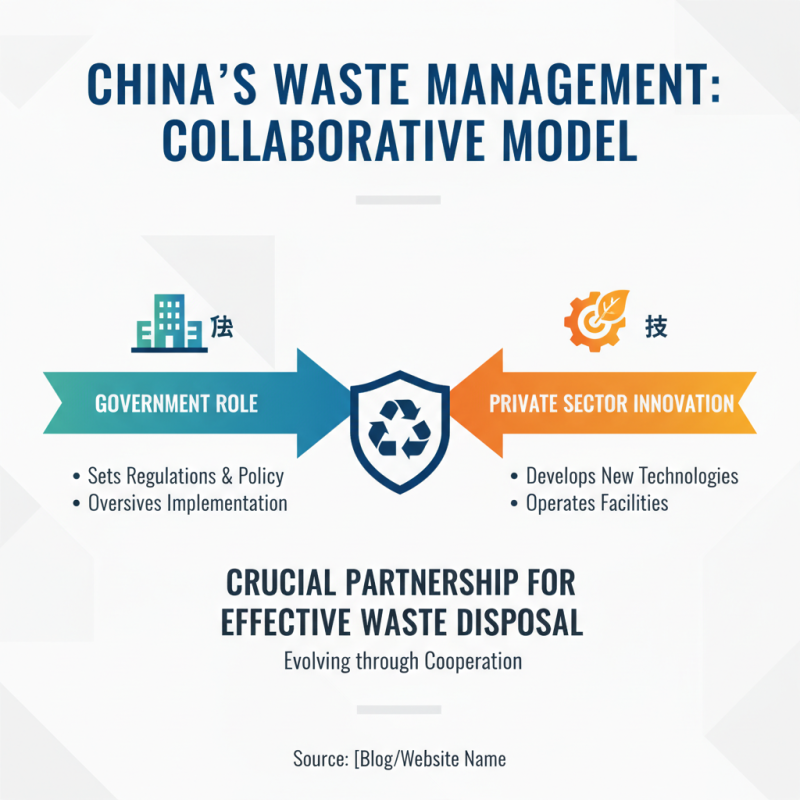
In China, waste management is evolving through cooperation between government and private sectors. Local authorities set regulations while private companies develop innovative technologies. This partnership is crucial for effective waste disposal.
Collaboration includes waste sorting education initiatives. Local governments organize workshops. Private firms supply resources and expertise. Such efforts aim to increase public participation in recycling. Yet, challenges remain. Many residents still lack awareness of proper waste disposal practices. Incentives from both sectors could enhance community engagement.
Moreover, joint ventures in waste-to-energy projects show promise. These initiatives convert waste into energy, reducing landfill use. However, the infrastructure is not uniformly developed. Some regions lag behind, lacking necessary technology. Continued investment and knowledge sharing are essential for equitable progress across China.