Top China Garbage Incinerators for Global Buyers Insights?
In recent years, garbage incinerators have gained significant attention. With the rising waste problem, these systems offer solutions for efficient disposal. Countries around the world, including China, have developed advanced technologies in this field.
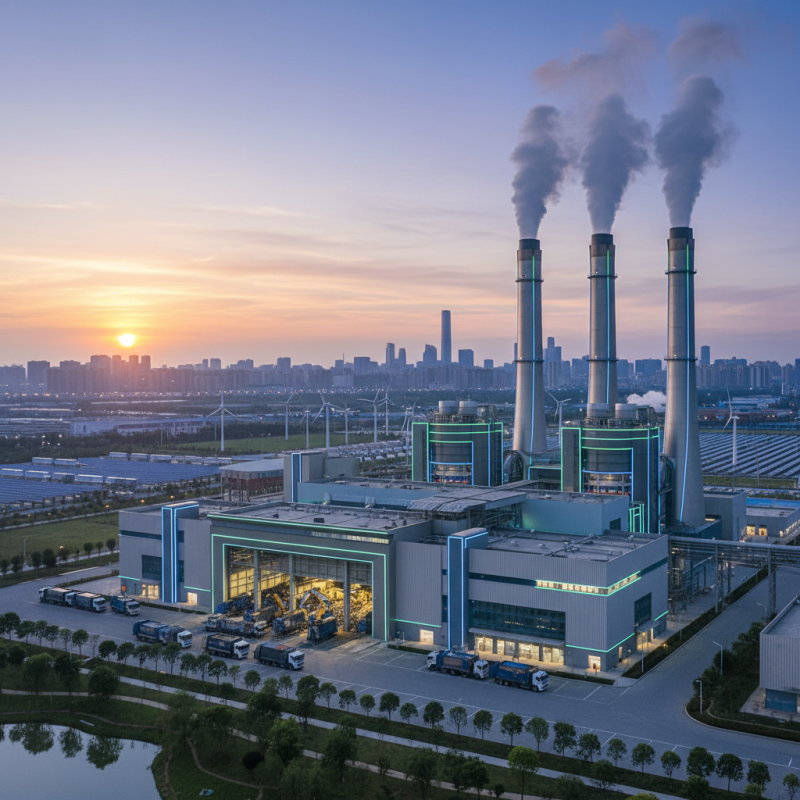
Chinese garbage incinerators are recognized for their effectiveness and reliability. They can handle massive amounts of waste, reducing landfill usage and generating energy in the process. However, the environmental impact of incinerators remains a concern. Communities need to address emissions and ash residue.
Global buyers are looking for insights into these systems. Choosing the right equipment is essential for environmental compliance and efficiency. Understanding the strengths and weaknesses of different models is crucial. This exploration provides valuable information for international markets as they seek dependable garbage incinerators.
Leading Manufacturers of Garbage Incinerators in China
China has become a key player in the garbage incinerator market. Several manufacturers focus on innovative technologies and efficient designs. These companies prioritize sustainability and environmental responsibility in their products. With rising concern over waste management, their incinerators help reduce the volume of waste significantly.
Many leading manufacturers emphasize high efficiency and low emissions. They invest in research and development, pushing the boundaries of incineration technology. Some machines operate at over 90% efficiency, greatly minimizing harmful outputs. However, challenges remain in achieving zero emissions. Continuous improvements are necessary to better address public safety and environmental impact.
In these factories, customer support and training are also crucial. Manufacturers often offer workshops to educate users on safe operation practices. Client feedback guides further product development, fostering a culture of innovation. It’s essential for these companies to listen and adapt to market needs.
Market Growth Trends for Incineration Technology in 2023
The incineration technology market in China continues to experience significant growth as environmental concerns rise. A report from the China National Resources Recycling Association states that the waste incineration capacity is expected to reach around 100 million tons by the end of 2023. This is a substantial increase compared to previous years, indicating a shift towards more sustainable waste management methods.
Investments in incineration technology are also on the rise. In 2023, funding for waste-to-energy projects is projected to increase by 15%. This surge reflects both governmental support and private sector interest in reducing landfill reliance.
However, challenges remain. Concerns about emission levels and the effectiveness of waste sorting processes need to be addressed. Some facilities have faced backlash over air quality issues, which highlights the need for ongoing technological improvements.
Global buyers are keenly interested in partnering with Chinese manufacturers. They seek insights into the latest technologies and efficiency ratings. Collaboration between countries can drive innovation. The integration of advanced filtration systems is one area where improvements can be made. This can enhance the overall effectiveness of incineration plants in minimizing environmental impacts. Balancing efficiency and sustainability is crucial for future growth in this industry.
Key Features and Innovations in Chinese Garbage Incinerators
Chinese garbage incinerators have advanced significantly. These systems focus on efficiency and environmental responsibility. Modern incinerators utilize advanced combustion technologies. They can reduce waste volume by up to 90%. This is crucial in urban areas where space is limited.
The filtration systems employed are remarkable. They capture harmful emissions effectively. This ensures cleaner air and compliance with stringent environmental regulations. Innovations also include automated ash handling. This minimizes human contact and optimizes waste management processes. Though effective, ongoing maintenance remains a challenge. Systems can fail if not monitored properly.
Tips for buyers include assessing local regulations. Understand how these incinerators fit into local waste management strategies. Evaluate energy recovery capabilities as well. Some systems effectively transform waste into energy. This can enhance sustainability efforts. Remember, each incinerator type has unique features. Invest time in learning about these differences. Embrace innovation, but also be mindful of the complexities involved.
Environmental and Economic Impacts of Incineration in Waste Management
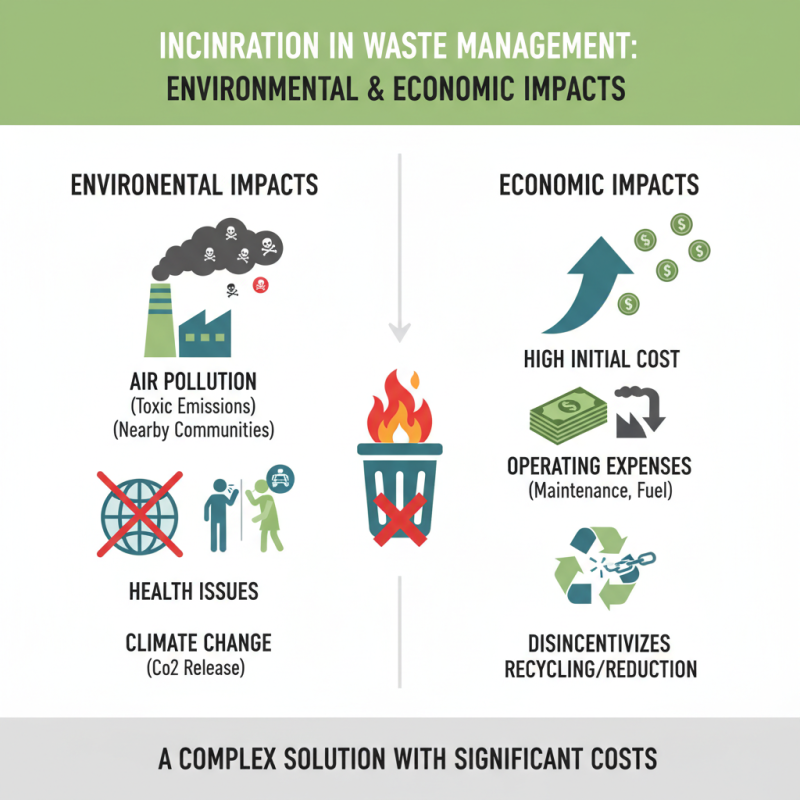
Incineration is often touted as a solution for waste management. It reduces the volume of waste significantly. However, the process has significant environmental impacts. Emissions can contribute to air pollution and may contain toxic substances. Communities living near incinerators sometimes report health issues. These concerns cannot be ignored.
From an economic perspective, incineration has both pros and cons. It can generate energy while reducing waste. This dual benefit appeals to many municipalities. However, the initial costs of implementing incineration technology can be high. Additionally, reliance on incineration may reduce recycling efforts. This reliance raises questions about sustainability and long-term waste management strategies.
Public perception plays a crucial role in adopting incineration. Many people are unaware of the complexities involved. Misinformation can lead to fear and resistance. It's essential to address these concerns transparently. Educating the public on both environmental and economic realities can foster support. Yet, open dialogue about the drawbacks is equally necessary. This balance is critical for successful waste management strategies.
Global Market Opportunities for China's Incinerator Exports
China's incinerator industry continues to grow, presenting global opportunities for export. The demand for waste management solutions is rising. Many countries seek technologies that can handle waste efficiently and sustainably. Incinerators are increasingly viewed as viable solutions for waste disposal challenges.
China's advanced technology and manufacturing capabilities play a crucial role here. Many incinerators feature improved emission control systems. They also offer enhanced energy recovery options. However, the industry faces its own challenges. Environmental concerns regarding emissions remain a critical issue. Buyers often require detailed information on compliance with international standards. Transparency in operations is essential.
Global buyers are showing interest in China's solutions. Cost-effectiveness is a key factor for many. However, potential buyers must conduct thorough research. They should prioritize reliability and after-sales support. Local partnerships may also enhance trust and facilitate smoother transactions. China's incinerator exports can effectively address the global waste crisis while fostering sustainable practices.