How to Choose the Right Trash Incinerators for Effective Waste Management?
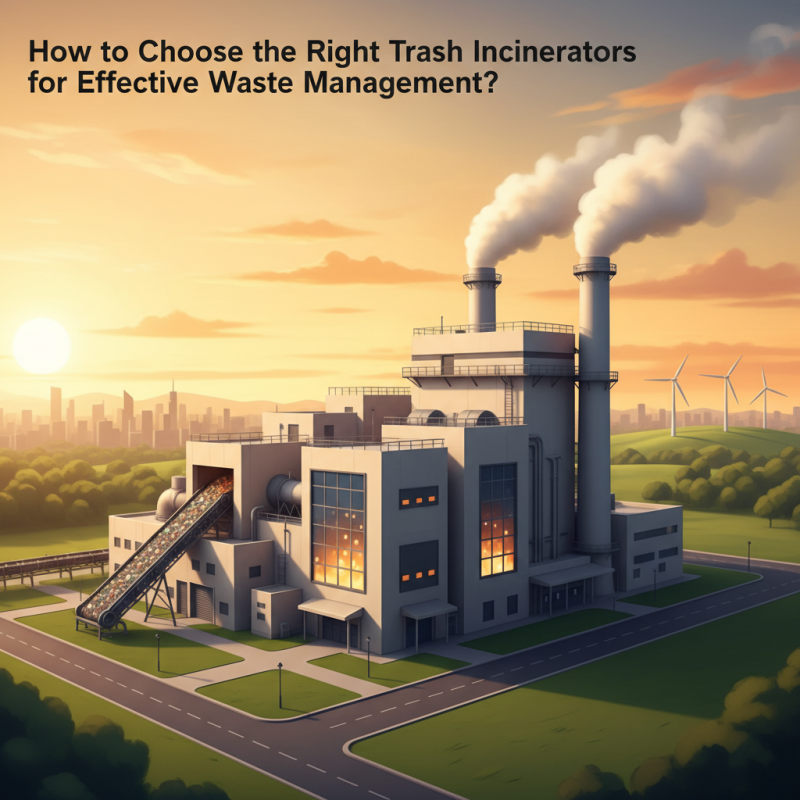
Choosing the right trash incinerators is crucial for effective waste management. With growing waste volumes, communities seek viable solutions. Incinerators convert solid waste into ash, heat, and gas, reducing landfill use. They can play a significant role in sustainable management.
Several factors need consideration before making a choice. Incinerator capacity, emissions, and technology are essential. Not all incinerators provide the same efficiency or environmental protection. A poorly chosen model may lead to increased pollution and community discontent.
It’s vital to assess local regulations and community needs. Different regions have varying standards for waste processing. Understanding these nuances can guide your decision effectively. Partnering with experts may help navigate complexities. Choosing the wrong model could lead to future regrets. A thorough analysis ensures a better match for your waste management goals.
Understanding the Importance of Waste Management in Modern Society
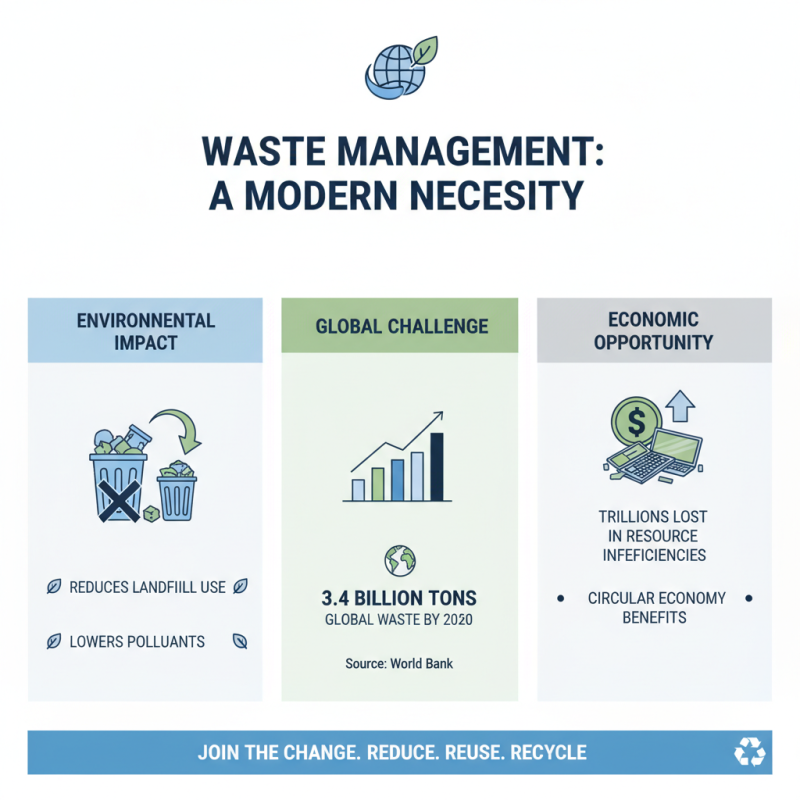
Waste management is an essential part of modern society. Effective waste management strategies reduce landfill usage and lower environmental pollutants. According to data from the World Bank, global waste generation is expected to reach 3.4 billion tons by 2050. This staggering figure highlights the urgency of developing effective waste management systems. Trillions of dollars are lost in resource inefficiencies due to poor waste management practices.
Inadequate waste disposal methods can lead to serious health issues. Improperly managed waste can contaminate soil and water supplies. Urban areas are particularly vulnerable; over 55% of the world's population resides in cities. The challenges are enormous, yet many systems still rely heavily on landfilling. Landfills release methane, a greenhouse gas 25 times more potent than carbon dioxide over a 100-year period. This emphasizes the need for alternative solutions like incineration.
Incineration, when done correctly, can significantly reduce waste volume. It converts trash into energy but requires strict monitoring. Critics argue that incineration can emit harmful pollutants. Developing technologies may mitigate these risks. A comprehensive evaluation of waste management systems is essential. Addressing this global issue demands innovative and sustainable solutions.
Key Considerations in Selecting Trash Incinerators for Efficiency
When selecting trash incinerators for efficient waste management, several key considerations arise. Efficiency should be at the forefront of your decision. According to industry reports, modern incinerators can achieve up to 90% volume reduction and 85-90% energy recovery from waste. These figures highlight the potential for incinerators to transform waste into valuable energy, reducing landfill reliance.
Understanding the emissions profile is crucial. The best systems significantly lower harmful outputs. Engaging with recent studies can reveal that advanced filters and scrubbers can cut down pollutants by more than 99%. Such technologies make incinerators a cleaner option compared to traditional landfilling.
Consider operational capacity and design. Not all incinerators are built the same. For example, a facility handling 10,000 tons of waste annually needs different specifications than smaller counterparts. Efficiency can vary widely based on maintenance frequency and user training.
Tips:
- Always check for compliance with local regulations.
- Consider future scalability.
- Seek systems with real-time monitoring for better oversight.
Schema for best practices can be valuable, but ensure customization for your specific needs. Failure to recognize these unique factors may lead to underperformance or inefficient waste management.
Comparison of Trash Incinerator Efficiency
Types of Trash Incinerators and Their Suitability for Various Waste Types
When considering trash incinerators, understanding the types available is crucial. Various models cater to different waste types. For instance, some incinerators efficiently process municipal solid waste. Others focus on hazardous materials, requiring specialized designs to handle toxic emissions. It’s essential to assess the specific waste streams before making a selection.
Small-scale incinerators often suit rural areas with limited waste. They require less oversight and can target organic waste effectively. On the other hand, large municipal incinerators manage combined waste streams. These facilities typically employ advanced filtration systems to minimize environmental impact. Balancing efficiency with safety is not straightforward and requires careful planning.
Reflecting on the choice of incinerators, it can be daunting. Each type has its pros and cons. Communities must weigh costs against environmental implications. Adaptability to changing waste types presents an ongoing challenge. Continuous education about waste management trends is vital. Striving for optimal waste solutions is an evolving journey.
Evaluating Environmental Impact and Compliance with Regulations
When selecting trash incinerators, understanding their environmental impact is crucial. Reliable incinerators minimize harmful emissions. They comply with local and international regulations. Evaluating these systems requires an assessment of their technology.
Advanced filtration systems and emission monitoring are essential features.
Compliance with environmental regulations is a complex process. Agencies often update guidelines. Operators must stay informed about current standards. This can be challenging. Not all incinerators meet the same benchmarks. Regular audits can help maintain compliance and improve reliability.
Furthermore, community impact cannot be overlooked. Public perception matters. An effective waste management system should address local concerns. Engaging with residents can enhance transparency. This can also help identify potential issues before they escalate. Ultimately, careful consideration of the environmental implications is vital for responsible waste management practices.
Cost Analysis and Budgeting for Trash Incinerator Purchase and Operation
Purchasing a trash incinerator requires careful
budget planning. One should analyze initial costs, such as equipment purchase and installation expenses.
These costs can vary significantly based on the size and technology of the incinerator. Operating costs,
including fuel, maintenance, and labor, must also be considered. An accurate cost projection will help avoid unexpected financial burdens.
Evaluating the long-term benefits of incineration is crucial. Effective waste management can lead to
reduced landfill usage and lower waste disposal fees. However, the upfront investment can be daunting.
Organizations must weigh these factors against the potential savings over time. They should also consider
environmental regulations, as non-compliance can result in fines.
Investigating financing options can help ease the burden. Grants and
subsidies may be available for eco-friendly initiatives. Community partnerships can also offer
financial assistance. Crafting a robust financial plan is essential for the sustainable operation of a
trash incinerator. Identifying potential challenges early on can mitigate risks and ensure successful waste management outcomes.