Top 10 Benefits of Biomass Pyrolysis Plant for Global Buyers?
Biomass pyrolysis has emerged as a pivotal technology in the renewable energy sector. According to a report by MarketsandMarkets, the biomass pyrolysis market is expected to grow at a compound annual growth rate of over 10% by 2025. This growth reflects the increasing demand for sustainable energy sources worldwide. A Biomass Pyrolysis Plant converts organic materials into biochar, bio-oil, and syngas, providing multiple use cases in energy production and waste management.
Dr. Emily Harris, a leading expert in biomass technology, emphasizes the importance of this innovation: "Biomass Pyrolysis Plants not only reduce waste but also contribute significantly to energy sustainability." The diverse benefits of deploying these plants extend beyond energy generation, fostering economic opportunities and environmental preservation. However, the technology does face challenges, such as initial investment costs and the need for efficient feedstock supply chains.
Global buyers stand to gain tremendously from adopting biomass pyrolysis technology. It allows for the transformation of agricultural residues into valuable products, playing a critical role in circular economies. As the world shifts towards cleaner energy, the importance of Biomass Pyrolysis Plants cannot be overstated.
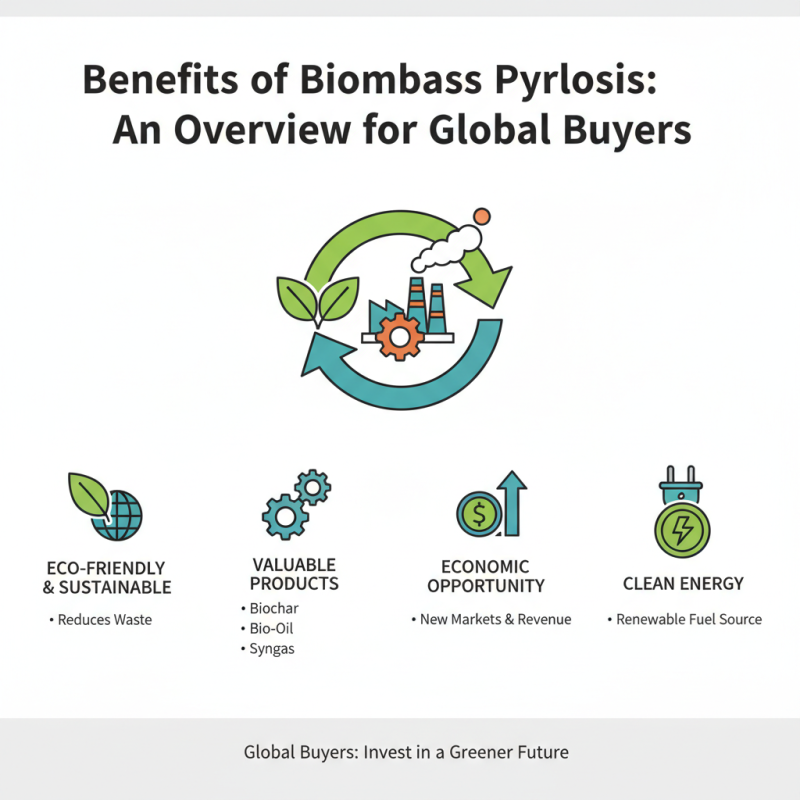
Benefits of Biomass Pyrolysis: An Overview for Global Buyers
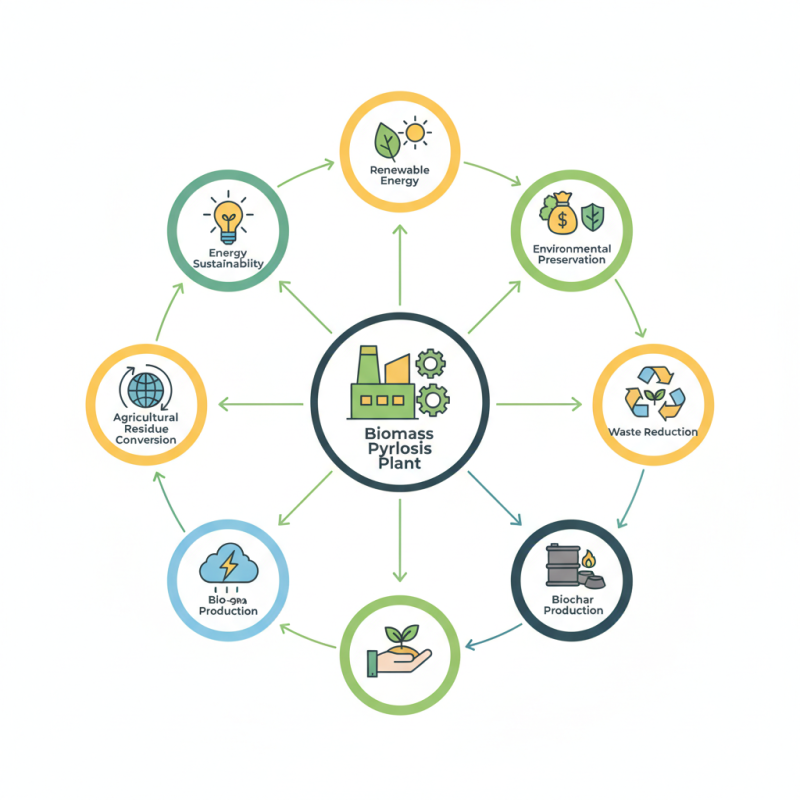
Biomass pyrolysis plants offer exciting opportunities for global buyers. These facilities convert organic materials into biochar, bio-oil, and syngas. This process is eco-friendly and sustainable. It helps reduce waste while producing valuable energy products.
One major benefit is energy recovery. Biomass sources, such as agricultural residues, can turn waste into valuable fuels. This energy can power homes and industries. The conversion process also minimizes harmful emissions, contributing to a cleaner environment. Buyers should evaluate local biomass availability to maximize efficiency.
Another advantage is the production of biochar. This carbon-rich material improves soil quality. It enhances nutrient retention and stimulates healthy microbial activity. Using biochar can lead to better crop yields. Look into integrating biochar into existing agricultural practices for added benefits.
Tips: Always examine the initial costs of setting up a biomass pyrolysis plant. Understand the local regulations concerning waste disposal and biomass sourcing. Research various feedstock options to ensure the plant operates optimally. Sustainability is crucial, so verify the long-term impact of your choices.
Economic Advantages of Investing in Biomass Pyrolysis Plants
Investing in biomass pyrolysis plants offers significant economic advantages for global buyers. These facilities convert organic materials into valuable bio-oil, biochar, and syngas. The process reduces waste while generating renewable energy. By utilizing agricultural residues or forestry byproducts, companies can lower raw material costs significantly. This not only improves profitability but also supports sustainable practices.
Tips: Always assess the local availability of biomass resources. A consistent supply can enhance your plant's efficiency. Consider engaging with local farmers or suppliers to create a reliable partnership.
The financial benefits are clear. Biomass pyrolysis plants can qualify for government incentives. Many countries prioritize renewable energy investments. These incentives can help recover initial investments faster. Companies can also tap into various markets for their products, increasing revenue streams.
However, it’s crucial to conduct thorough feasibility studies. Miscalculating operational costs can lead to unexpected challenges. Be prepared for potential fluctuations in biomass prices. Planning ahead can mitigate some of these risks and ensure smoother operations. Proper research and strategic partnerships are key components of success in this sector.
Environmental Impact: Sustainability and Waste Reduction Outcomes
Biomass pyrolysis plants play a crucial role in sustainability and waste reduction. By converting organic waste into biochar, bio-oil, and syngas, these systems help mitigate landfill overflow. This process not only reduces waste but also creates renewable energy sources. In a world increasingly focused on sustainability, these plants serve a vital function.
The environmental impact of biomass pyrolysis is significant. It can lower greenhouse gas emissions compared to traditional waste disposal methods. Biochar produced during pyrolysis has additional benefits. It improves soil health and captures carbon. This closed-loop approach fosters eco-friendly agricultural practices. Thus, employing these plants can promote a circular economy.
Tips: Proper management of feedstock is essential. Ensure the input materials are uncontaminated. This helps maintain the quality of the produced biochar. Monitoring the pyrolysis process is also vital. This keeps emissions low and efficiency high. Regular maintenance of equipment can prevent unexpected downtimes. Emphasizing these practices will maximize sustainability benefits.
Top 10 Benefits of Biomass Pyrolysis Plant for Global Buyers
Energy Production: Converting Biomass into Renewable Energy Sources
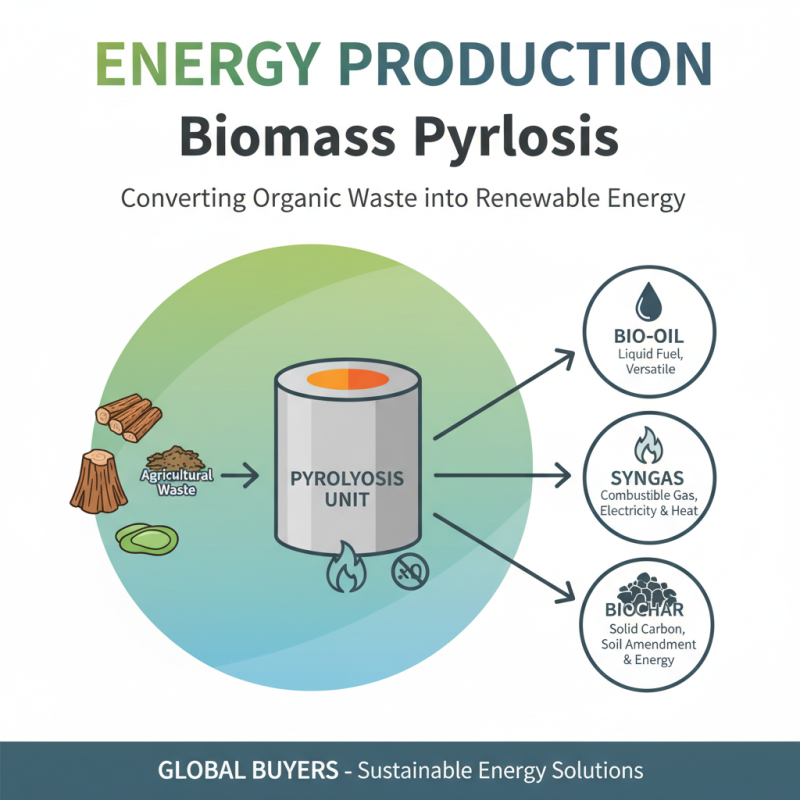
Biomass pyrolysis is a process that transforms organic materials into renewable energy. Through heating biomass in the absence of oxygen, the plant produces bio-oil, syngas, and biochar. These products offer significant energy production opportunities, appealing to a diverse range of global buyers.
Bio-oil can replace fossil fuels, providing cleaner energy for heating and electricity generation. Syngas serves as a versatile energy source for gas engines. Biochar, on the other hand, improves soil health and increases carbon sequestration. The ability to convert waste biomass into valuable energy is both innovative and environmentally friendly.
Despite its advantages, the technology has some challenges. Initial investment costs can be high. Efficiency varies based on feedstock quality and operational parameters. Global buyers need to explore local regulations and market demand. This reflection underscores the complexity in adopting biomass pyrolysis widely.
Market Demand: Biomass Pyrolysis in the Global Energy Landscape
The global energy landscape is evolving rapidly. Biomass pyrolysis presents a compelling solution for energy production. This technology converts organic materials into bio-oil, char, and syngas through thermal decomposition. Research indicates that the global biomass pyrolysis market is expected to grow at a CAGR of over 12% from 2021 to 2028. This growth is driven by increasing energy demands and the need for sustainable energy sources.
Many countries are focusing on reducing carbon emissions. Biomass pyrolysis aligns with these goals by transforming waste into usable energy. A recent report estimated the biomass waste generation to exceed 2.5 billion tons by 2025. This vast resource could be harnessed through pyrolysis, mitigating waste issues while generating energy. The versatility of bio-oil and char allows for varied applications, from heating to soil enhancement.
However, challenges exist. The technology is still maturing, and efficiency levels can vary. Some processes may require significant energy input, impacting overall sustainability. It's crucial for buyers to assess different technologies before investing. Understanding the energy output and potential emissions of each plant operation remains vital.
Top 10 Benefits of Biomass Pyrolysis Plant for Global Buyers
| Benefit |
Description |
Market Demand Impact |
| Renewable Energy Production |
Converts biomass into renewable energy, reducing reliance on fossil fuels. |
High |
| Waste Management |
Effectively reduces various waste materials, converting them into valuable products. |
Medium |
| Carbon Neutrality |
Mitigates greenhouse gas emissions by balancing carbon release and absorption. |
High |
| Economic Development |
Creates jobs in the biomass sector and promotes local economies. |
Medium |
| Energy Security |
Enhances energy independence by utilizing local biomass resources. |
High |
| Versatile Products |
Produces biochar, bio-oil, and gas, catering to various market needs. |
High |
| Reduced Landfill Use |
Minimizes the volume of waste sent to landfills. |
Medium |
| Technological Advancement |
Fosters innovation in energy conversion technologies. |
Medium |
| Sustainable Practices |
Encourages the use of sustainable biomass sources. |
High |
| Global Investment Opportunities |
Invites foreign investment in renewable energy projects. |
High |