2026 How to Recycle Old Tires and Turn Them into Useful Products?
Recycling old tires presents a unique opportunity to create innovative products while addressing environmental concerns. Each year, millions of tires are discarded, taking up space in landfills. Instead of simply throwing them away, we can recycle old tires into various useful items.
This process not only reduces waste but also promotes sustainability. By reusing materials, we can minimize our ecological footprint. There are numerous creative ways to transform old tires, ranging from playground surfaces to decorative garden features. Many communities have already embraced these recycling initiatives, showcasing the endless potential of this resource.
However, despite the benefits, challenges still exist. Some may question the durability and safety of products made from recycled tires. Research and development are crucial in ensuring quality. By sharing successful case studies and insights, we can inspire others to rethink how they approach old tires and encourage responsible recycling habits.

Understanding the Environmental Impact of Tire Waste in 2026
In 2026, tire waste remains a significant environmental concern. Millions of used tires are discarded each year, leading to pollution and habitat disruption. When tires end up in landfills, they release harmful chemicals. They also take up space for decades, creating long-term issues for our environment.
Tires can be repurposed effectively. One option is to transform them into playground surfaces, providing a safe area for children. Removing toxins and shredding tires can create durable materials for various applications. Another innovative use involves converting tires into art or home decor. These crafts not only reduce waste but also promote creativity.
Tips for recycling tires: include finding local recycling centers or crafting outlets. Consider organizing community clean-up events to gather old tires. Engaging your community can inspire others to think about waste responsibly. Always check for proper recycling methods to ensure valuable materials do not end up in landfills. Reflect on how many tires are lost to improper disposal and take steps toward more mindful practices.
Current Statistics on Tire Recycling Rates and Industry Standards
Tire recycling rates have shown a steady increase over the years. In recent statistics, approximately 75% of used tires are recycled or repurposed. This is a positive trend, yet it highlights a significant challenge. A quarter of tires still end up in landfills or are improperly disposed of. The environmental impact is alarming, as tires can take decades to decompose.
The tire recycling industry must adhere to certain standards. These include the processing of tires into shredded rubber, which can be used in various applications. The process also involves removing metals and textiles, ensuring quality control in the final product. However, not all facilities meet these standards, leading to inconsistencies. It raises the question of whether regulations are strict enough to guarantee safety and efficiency.
Despite progress, gaps remain in public awareness and participation. Educating consumers on proper disposal methods is crucial. Local collection programs could be enhanced to improve accessibility. The industry still has room for growth in developing innovative applications for recycled tires. Fostering collaboration among stakeholders could lead to a more efficient recycling ecosystem.
2026 Tire Recycling Rates and Useful Products Derived from Old Tires
Innovative Methods for Transforming Old Tires into New Products
Old tires present a significant environmental challenge. Each year, around 1 billion tires are discarded in the U.S. alone. Finding innovative methods for recycling these tires is essential. Creative uses are emerging, showing that even worn rubber can have a second life.
For example, companies are now producing rubber mulch for landscaping and playground surfaces. This mulch is durable and provides a safe landing for children.
Another interesting transformation involves using shredded tires in road construction. According to a study from the National Highway Traffic Safety Administration, tire-derived aggregate (TDA) improves the flexibility and stability of roads. This not only recycles tires but also enhances infrastructure. However, more research into the long-term effects of TDA is needed for wider adoption.
Tips: When considering recycling methods, assess local collection options. Partnering with local businesses or organizations can lead to collaborative recycling initiatives. Always stay informed about new technologies that may enhance tire recycling processes. The journey from old tires to useful products is ongoing, requiring constant innovation and reflection on best practices.
Market Demand for Recycled Tire Products: Opportunities and Challenges
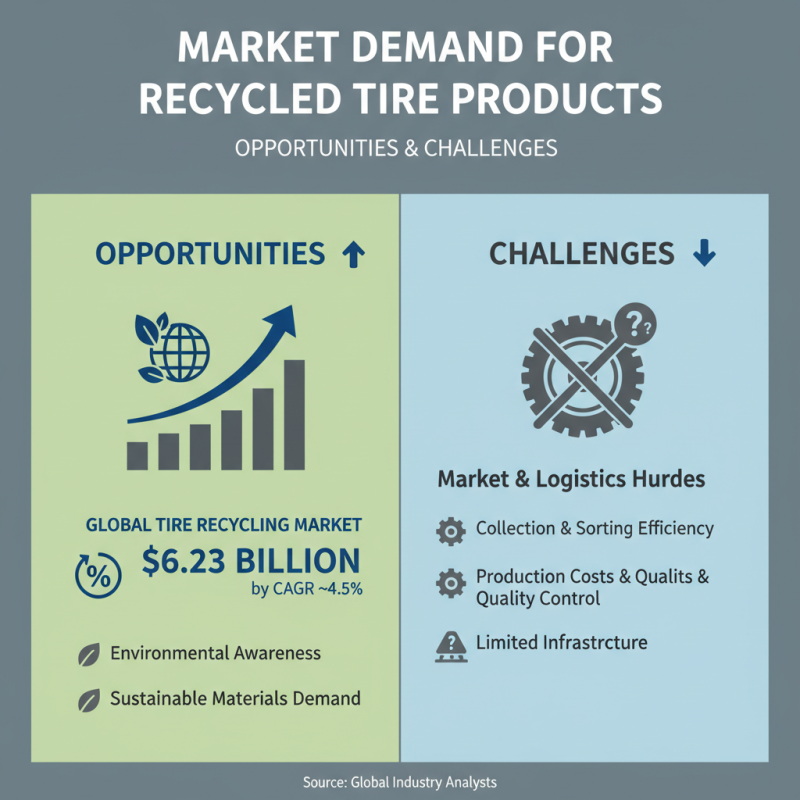
The market for recycled tire products is expanding rapidly. According to a report by Global Industry Analysts, the global tire recycling market is projected to reach $6.23 billion by 2027, with a compound annual growth rate of around 4.5%. This growth reflects increasing awareness of environmental issues and heightened demand for sustainable materials.
Challenges persist despite this potential. The recycling process can be costly and complex. Many recyclers struggle with outdated equipment. Newer technologies are essential but often require significant investment. Additionally, the market for recycled products, such as rubber mulch and crumb rubber, can be volatile. Some products may not be accepted due to safety concerns or performance thresholds.
Yet, opportunities exist for innovative companies. The construction industry shows promise with the use of recycled rubber in asphalt and soundproofing materials. Consumer products like mats and flooring can be made from recycled tires too. These segments can provide business growth and contribute to waste reduction. Collaboration among stakeholders can help address the challenges while tapping into growing demand. Continuing to explore avenues for improvement is crucial for this market's evolution.
Step-by-Step Guide to Setting Up a Tire Recycling Operation
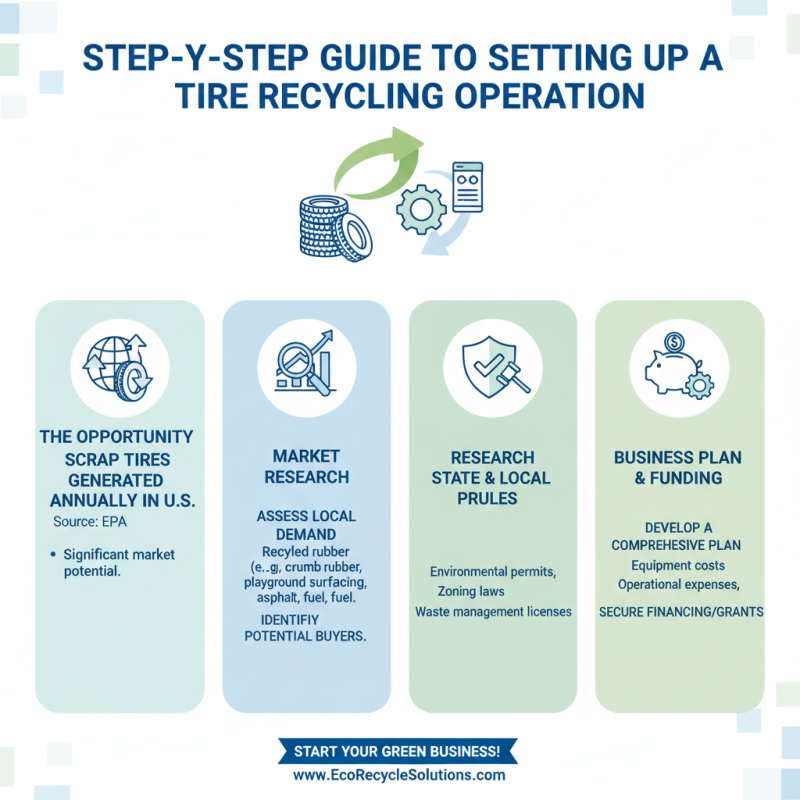
Setting up a tire recycling operation requires careful planning and execution. According to data from the Environmental Protection Agency, approximately 291 million scrap tires are generated annually in the U.S. alone. This presents a substantial opportunity for recycling. Before starting, assess the local market for recycled tire products. Understanding demand is crucial. You may also need to research any state-specific regulations regarding tire recycling.
Once you have a plan, gather necessary equipment. A tire shredder can reduce tires into smaller pieces. Moreover, steel wire extractors are essential for removing metal from tires. Creating a suitable space for processing is important too. Ensure it meets safety requirements. You might face challenges like managing waste and finding reliable suppliers. Community collaboration can help address these issues.
After setting up, focus on product development. Crumb rubber can be used in playground surfaces or asphalt. Be aware, though, that not every tire-derived product succeeds in the market. Continuous testing and adaptation are key. According to industry reports, the global tire recycling market is expected to grow significantly, highlighting the potential for profitable ventures. Always seek feedback to improve processes and products, ensuring long-term viability.