Top Tyre Collection Suppliers for Global Buyers?
Top Tyre Collection Suppliers for Global Buyers?
The global Tyre Collection market is becoming more strategic as vehicle ownership, replacement demand, and sustainability requirements expand. The World Business Council for Sustainable Development’s Tire Industry Project estimates that more than one billion end-of-life tyres are generated worldwide each year. Yet collection performance differs sharply between regions. Some markets provide verified recovery channels. Others still depend on informal or poorly documented systems.
The European Tyre and Rubber Manufacturers’ Association reported that Europe generated approximately 3.9 million tonnes of end-of-life tyres in 2022. Its data also showed recovery rates above 95 percent across many European markets. In the United States, the U.S. Tire Manufacturers Association reported that scrap tyres remained a major recoverable material, with millions of tonnes directed toward reuse, recycling, and energy recovery. These figures show opportunity, but they do not guarantee supplier quality.
As William McDonough, a leading circular-economy expert, said, “Waste equals food.” For tyre buyers, the principle is practical. A dependable supplier should document pickup volumes, sorting methods, transport capacity, processing partners, and final material destinations. A clean warehouse is not enough. Certificates can be incomplete. Claims may also vary by country.
This guide examines leading Tyre Collection suppliers for global buyers. It compares geographic coverage, collection equipment, traceability, processing capabilities, compliance practices, and communication standards. Buyers should look beyond low prices. The strongest partnerships combine measurable service, responsible treatment, and clear reporting. Some market data remains inconsistent, and that weakness deserves attention. A careful shortlist is still possible.
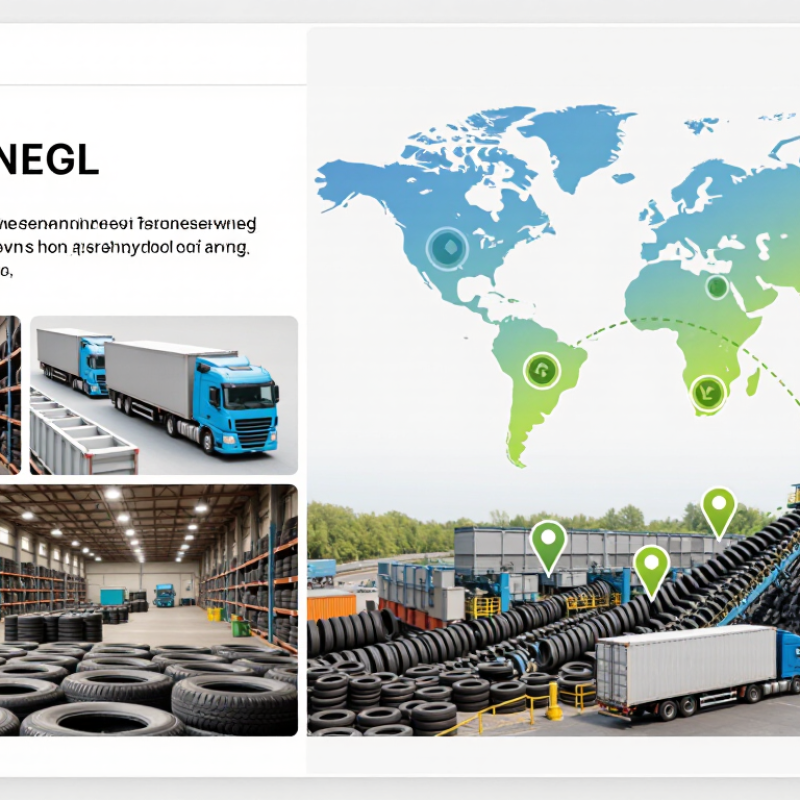
Global Tyre Collection Suppliers: Scope, Scale, and Market Data
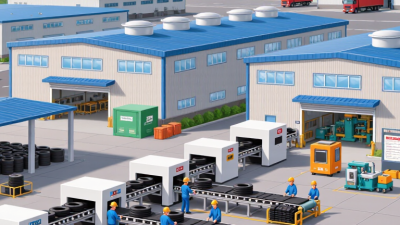
Global tyre collection suppliers operate across municipal depots, repair networks, fleet yards, and industrial sites. Their scope differs widely. Some serve one region, while larger operators coordinate collection across several countries.
Market estimates suggest that more than one billion tyres reach end of use globally each year. However, reported volumes vary because countries classify used, reusable, and scrap tyres differently. A serious supplier should explain its data sources, collection boundaries, and annual capacity. Clear numbers matter.
Scale is not only about warehouse size. It includes vehicle coverage, weighing systems, sorting teams, storage controls, and verified downstream processing. In practice, buyers should request monthly collection records, facility photographs, transport documents, and contamination rates. Good suppliers can show chain-of-custody evidence. Small details matter.
A supplier collecting 5,000 tonnes annually may suit a regional buyer, but not a multinational programme. Larger contracts often require scheduled pickups, emergency capacity, multilingual reporting, and stable processing partners. I have found that service promises sometimes exceed actual capacity during seasonal peaks. That weakness deserves attention. Buyers should test a supplier with a limited pilot before expanding volumes. Market data can look impressive, yet poor route planning may create delays, extra storage, and inconsistent reporting. Reliable decisions need both published figures and direct operational checks.
Supplier Types: Retail Take-Back, Municipal Networks, and EPR Schemes
Top Tyre Collection Suppliers for Global Buyers?
Global buyers usually source end-of-life tyres through three supplier types: retail take-back points, municipal networks, and EPR schemes. Each model creates different costs, volumes, and traceability needs. Retail take-back suppliers collect tyres when customers purchase replacements. Their sites are convenient, but collection quality can vary. Ask how stores separate damaged, mixed, or contaminated tyres. Small details matter.
Municipal networks use transfer stations, local depots, and scheduled community collections. They can provide broad geographic coverage, especially outside major cities. However, pickup calendars may change with budgets, weather, or local capacity. Experienced buyers should request monthly tonnage, loading methods, photographs, and weighbridge records. Do not rely on a single estimate. It may be optimistic.
EPR schemes coordinate collection through producer-funded recovery systems. They often offer clearer reporting, contracted transport, and defined recovery routes. Buyers should verify material ownership, receiving facilities, and rejected-load procedures. Check permits and audit practices through independent documents, not polished promises. A reliable supplier explains contamination rates and missed collections openly. That honesty is useful. Yet even strong schemes can have regional gaps, so pilot one route before scaling.
This comparative index summarizes typical buyer-facing capabilities rather than market share. EPR schemes generally provide the strongest regulatory traceability and reporting, municipal networks offer broad public collection access, and retail take-back programs provide convenient point-of-sale returns. Actual coverage varies by country and contract structure.
Scoring scale: 1 = limited, 5 = strong. Assessment dimensions reflect common operating characteristics documented in public waste-tyre collection frameworks: geographic reach, traceability, regulatory reporting, pickup convenience, and suitability for contracted bulk supply.
Comparing Suppliers with ETRMA’s Reported 95% European Recovery Rate
Top Tyre Collection Suppliers for Global Buyers?
ETRMA has reported a 95% recovery rate for end-of-life tyres in Europe. This figure gives global buyers a useful benchmark. It also needs careful interpretation. Recovery may involve material recycling, reuse, retreading, or energy recovery, depending on the reporting method. Buyers should confirm the report’s year, scope, and calculation rules before comparing suppliers.
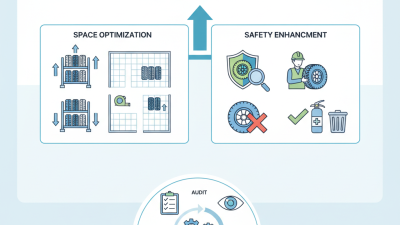
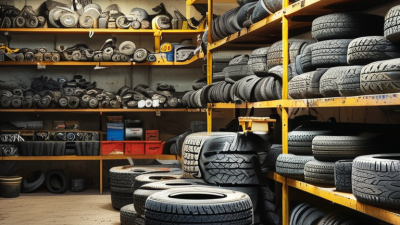
Reliable collection suppliers provide more than attractive prices. They can show collection records, weight tickets, transport documents, and destination details. A practical audit might begin with a warehouse visit. Look for separated tyre sizes, covered storage, clear fire controls, and accurate scale readings. Ask how rejected loads are handled. Small gaps often reveal larger traceability problems.
Performance matters after collection. Suppliers should explain processing capacity, recovery routes, and subcontractor controls. They should also provide evidence from independent audits or recognized regulatory systems. Some suppliers communicate the 95% figure too broadly. That creates confusion, even when their operations are sound. No supplier is perfect. Weather, contamination, and remote collection points can reduce actual recovery performance. A strong partner admits these limits and documents corrective action. For global buyers, consistent evidence is more valuable than a polished promise.
Global Buying Checks: Basel Rules, HS 4004, and Shipment Documents
Global buyers of collected tyres should treat compliance as a purchasing requirement, not a final paperwork task. A supplier’s yard may look organized, yet mixed loads can contain soil, metal, or damaged casings. Ask for recent loading photos, weight records, and a clear description of tyre condition.
HS 4004 generally covers waste, parings, and scrap of rubber, including certain rubber granules. Classification can vary by product form and national customs practice. Confirm the applicable tariff line with a qualified customs broker before booking transport. Do not assume every used tyre belongs under the same code. That mistake can delay clearance.
Basel Convention controls may apply to cross-border movements of waste tyres. Requirements depend on the exporting, transit, and importing countries. Check whether notification, consent, or specific recovery documentation is required. Keep the commercial invoice, packing list, bill of lading, certificate of origin, weight ticket, product photographs, and material specification together. The invoice should state quantity, condition, intended recovery use, and agreed delivery terms. Ask the supplier to confirm that the shipment contains no unrelated waste. Small wording gaps matter. A practical review should compare the declared weight with the weighbridge ticket and container seal record. These checks are not perfect, and local interpretations can change. When details remain uncertain, pause the shipment and request written guidance from the relevant competent authority.