How to Efficiently Manage Your Tyre Collection for Maximum Space and Safety?
Efficiently managing a tyre collection is crucial for safety and space optimization. Industry expert John Mitchell emphasizes, "Proper tyre management is key to reducing hazards." In the tyre collection industry, many face challenges. Limited space can lead to disorganization and increased risks.
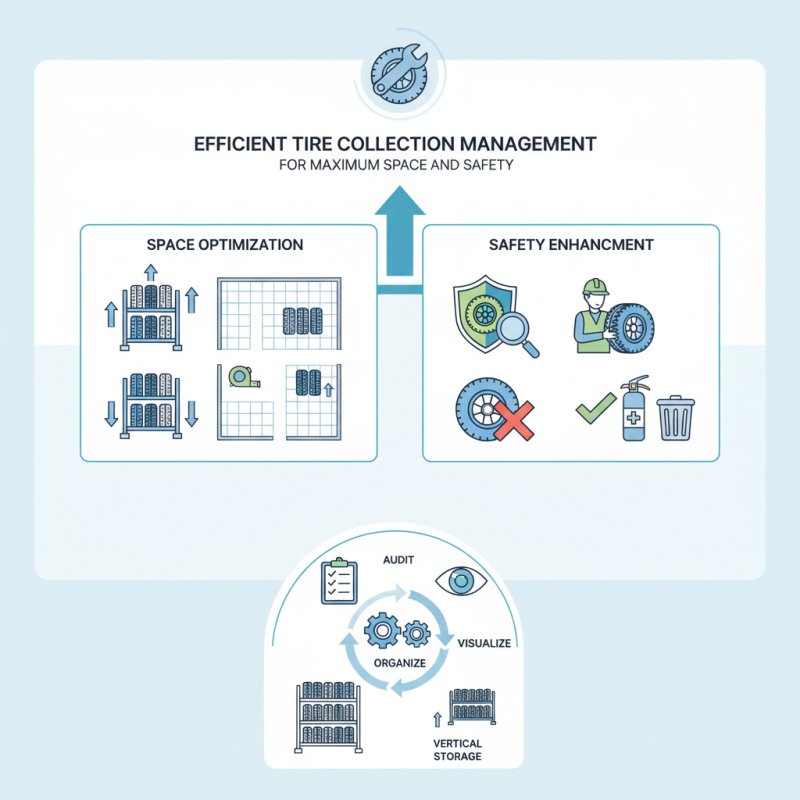
An effective tyre collection strategy involves regular audits. This means checking the condition of tyres and removing those that are worn out. An organized collection can save time and prevent accidents. Safety should always be a priority in any collection process.
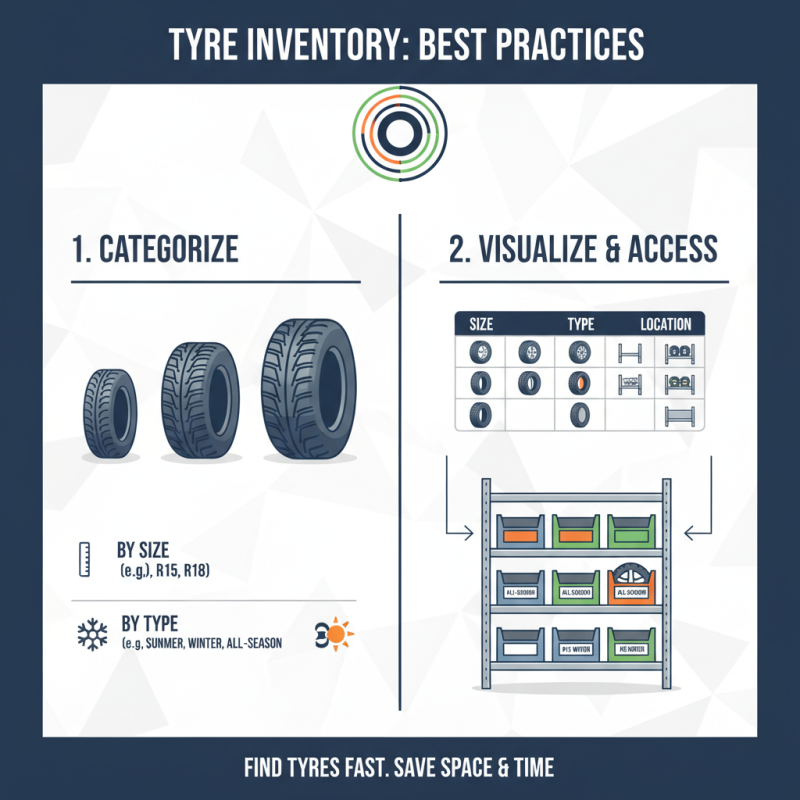
Visualizing the storage area is important. Could your space hold more tyres? Rethinking the layout can highlight wasted areas. Consider using racks or vertical storage solutions for better accessibility. Managing a tyre collection is not just about collecting. It's about ensuring safety and efficiency in the long term.
Strategies for Assessing Tyre Storage Needs Efficiently
Assessing your tyre storage needs requires a practical approach. Start by evaluating how many tyres you have. Count all of them. This determines the storage space necessary. Consider the sizes and types: winter, summer, and specialty tyres need different care.
Next, think about the environment. Tyres should be stored in a cool, dry place. Excessive heat and humidity can lead to degradation. If you lack sufficient indoor space, consider outdoor options. Cover them to protect from the elements. Using racks can maximize vertical space in constrained areas.
Reflect on your access patterns as well. If you frequently swap tyres, ensure easy access. Otherwise, less accessible storage may work. Remember, organisation is key. Create a system: label and group tyres by type or season. Regular maintenance checks can also be helpful. Look for signs of wear or damage. Just because they’re stored safely doesn’t mean they’re in good condition.
Implementing Safety Measures for Tyre Stacking and Storage
Tyre storage can be a tricky task. Proper management is vital for safety. According to the Rubber Manufacturers Association, tyres can be dangerous if not stored correctly. Inappropriate stacking can lead to accidents or injuries. It's crucial to establish clear guidelines for tyre handling.
Implementing safety measures is a must. Stacking tyres shouldn't exceed a height of four units. This reduces the risk of toppling. Tyres should be stored in a cool, dry place. Moisture can cause degradation. An ideal temperature range is between 5°C and 30°C. Additionally, consider using racks to keep tyres organized and off the ground.
Regular inspections are necessary. Look for signs of wear, cracks, or bulges. Establish a routine check every six months. It helps catch potential issues early. Moreover, label stored tyres with their usage history. This can prevent confusion and mistakes. Each safety measure you take increases efficiency and safeguards your collection. Auto service stations report that well-managed collections reduce risk by over 30%. Managing tyres with care is not just beneficial; it is essential for ensuring safety and longevity.
Utilizing Technology for Effective Tyre Management Tracking
Managing a tyre collection effectively requires embracing modern technology. Implementing a tracking system can transform how you organize and utilize your tyres. Mobile apps and software enable you to log details like tread depth, age, and condition. This data helps in making informed decisions on when to rotate or replace tyres.
Consider integrating RFID tags or QR codes to streamline tracking. Scanning these codes provides instant access to critical information. You’ll see every tyre's history, enhancing safety and performance. However, not all systems are perfect. There can be technical glitches, or, the learning curve may seem steep. Users often struggle with updates and data management. A little patience and practice will improve your skills over time.
Proper storage is equally important. Keeping tyres in a controlled environment prevents damage. Utilize vertical storage or shelving to maximize available space. Regular audits of your collection can help identify unwanted or damaged tyres. This process forces you to reflect on your inventory decisions. Over time, it becomes easier to maintain a manageable collection, ensuring both safety and efficiency.
How to Efficiently Manage Your Tyre Collection for Maximum Space and Safety? - Utilizing Technology for Effective Tyre Management Tracking
| Tyre Type |
Storage Location |
Condition |
Last Inspected |
Next Recommended Inspection |
Tracking ID |
| All-Season |
Warehouse A |
Good |
2023-08-01 |
2024-02-01 |
TYR123456 |
| Winter |
Warehouse B |
Fair |
2023-07-15 |
2024-01-15 |
TYR654321 |
| Summer |
Warehouse A |
New |
2023-09-01 |
2024-05-01 |
TYR789012 |
| Performance |
Warehouse C |
Poor |
2023-01-20 |
2023-11-20 |
TYR345678 |
Periodic Inspection Protocols for Ensuring Tyre Safety and Quality
Periodic inspection of your tyre collection is essential. It ensures both safety and quality over time. Regular checks can uncover hidden issues, such as cracks or bulges. These faults could lead to serious accidents. Small problems can escalate if not addressed early.
Start by defining a schedule for inspections. Monthly checks are a good practice. Look for wear indicators and tread depth. These factors significantly impact vehicle performance and safety. Be meticulous in your assessments. A missed detail can result in dangerous conditions.
Document each inspection carefully. Use a simple log to track findings and actions. This practice adds accountability and can highlight recurring issues. Over time, you may notice patterns that require intervention. Stay vigilant. Adjust your protocols as needed to enhance safety and space efficiency. Remember, attention to detail saves lives.