Inquiry
Form loading...

China Top 10 Car Tyre Disposal Methods You Should Know?

Car tyre disposal is a critical issue in modern society. With millions of tyres discarded each year, the environmental impact is significant. Poor disposal methods contribute to pollution and waste. Therefore, understanding effective disposal techniques is crucial.

In China, various methods have emerged for car tyre disposal. These methods range from recycling to energy recovery. Each technique has its own merits and challenges, reflecting a diversity of practices. Some solutions are environmentally friendly, yet others still need improvement. It is essential to know which practices promote sustainability.

Public awareness about car tyre disposal is key. Individuals and businesses must understand their responsibilities. The right practice can minimize harm and maximize resource recovery. Reflecting on our current methods can drive innovation and change. We need to adapt and adopt better ways for a cleaner future.
China Top 10 Car Tyre Disposal Methods You Should Know?

Top 10 Car Tyre Disposal Methods in China: An Overview

In China, the disposal of car tyres has become a pressing environmental issue. Many urban areas are implementing innovative methods to manage waste tyres. Recycling is one of the most effective ways. It involves breaking down old tyres and reusing materials, which can significantly reduce waste. However, not all recycling facilities follow the best practices, leading to inconsistent quality in recycled products.

Another method gaining traction is pyrolysis, a process that converts tyres into oil and gas. While this method shows promise, its implementation can be costly and requires advanced technology. Some facilities still struggle with emission controls. Additionally, landfill disposal remains common but raises concerns. The improper disposal of tyres in landfills can lead to leaching and other environmental hazards.

Composting is an emerging method worth exploring. It utilizes shredded tyres in bioengineering projects, aiding soil stability. Nonetheless, the effectiveness of such approaches is still under investigation. Despite the challenges, communities are beginning to recognize the importance of sustainable tyre disposal. The growth of public awareness is a critical step toward improving these methods. In many cases, education about proper tyre disposal practices is still necessary. This could lead to more responsible behaviour among vehicle owners.

Top 10 Car Tyre Disposal Methods in China

This chart illustrates the various methods of car tyre disposal in China, showcasing their respective percentages. Recycling remains the most prevalent method, while incineration and waste-to-energy processes are less commonly used. Understanding these methods is crucial for sustainable waste management in the automotive industry.

Understanding the Environmental Impact of Tyre Disposal Practices

China Top 10 Car Tyre Disposal Methods You Should Know?

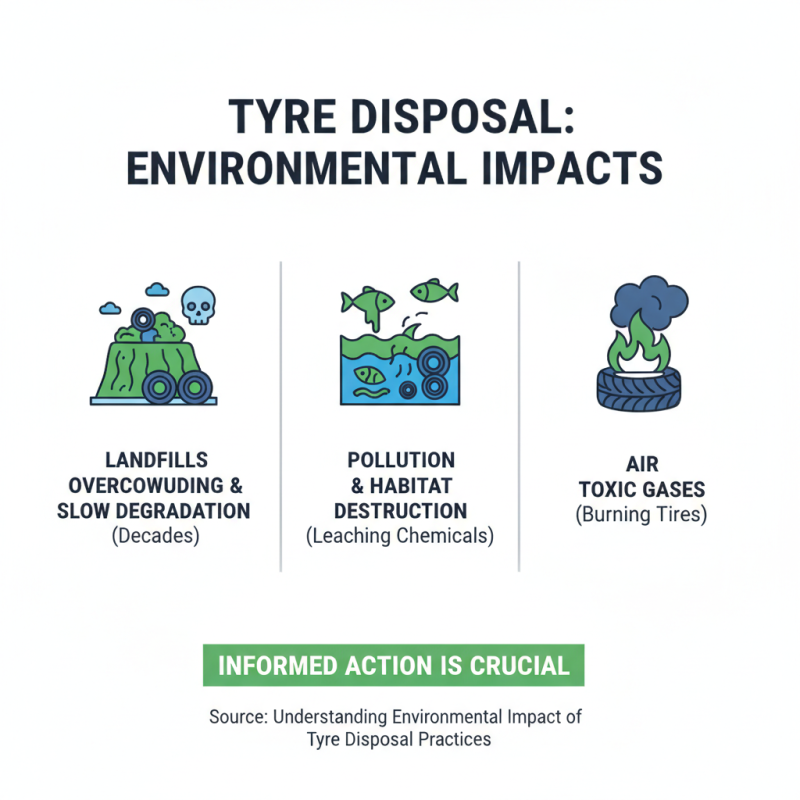
Tyre disposal practices hold significant environmental implications. Improper disposal can lead to pollution and habitat destruction. Landfills become overcrowded, and tires can take decades to degrade. Moreover, burning tires releases toxic gases into the air. Understanding these challenges is essential for informed action.

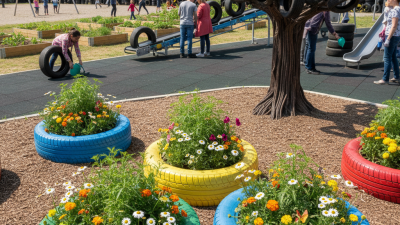
Tips: Recycling is one solution. Many facilities can break down tires into reusable materials. Consider checking local programs that promote tyre recycling. Additionally, upcycling tires can transform them into creative garden planters or playground surfaces. This reduces waste while enhancing community spaces.

Educating ourselves about these impacts is crucial. Awareness leads to better choices. Many are unaware of the consequences of their disposal habits. Every individual can make a difference. Taking responsibility for tyre disposal can promote sustainability. Let’s reflect on our personal practices and seek eco-friendly alternatives.

Recycling Process: Turning Old Tyres into Valuable Resources

The recycling process for old tyres is more crucial than ever. In China, an alarming 300 million waste tyres are generated each year. Not all of these tyres are disposed of correctly. Many end up in landfills, where they can take over 1,000 years to decompose. Proper recycling methods can significantly reduce this environmental burden.

The process of turning these old tyres into valuable resources involves several steps. It begins with collection and sorting. Once collected, tyres are mechanically shredded. This creates crumb rubber, which can be used in various applications, including road surfaces and playgrounds. According to industry reports, recycling a ton of tyres can reduce greenhouse gas emissions by about 2.1 tons, showing its potential for sustainability.

However, challenges remain in the recycling sector. The technology for tyre recycling is constantly evolving, but not all facilities have access to the latest innovations. This can lead to inefficient processes and a lower recovery rate of materials. The lack of standardized systems also complicates the recycling chain. More awareness and investment are needed to ensure that effective methods are widely implemented.

China Top 10 Car Tyre Disposal Methods You Should Know

Disposal Method Description Environmental Impact Economic Value
Pyrolysis Thermal decomposition of tyres without oxygen, producing oils, carbon black, and gas. Reduces landfill waste and provides renewable energy sources. High market value for the recovered materials.
Mechanical Recycling Shredding tyres into smaller pieces for use in various applications. Minimizes landfill usage, but can generate dust and noise. Lower value, mainly for use in asphalt and construction.
Re-treading Adding a new tread to worn tyres to extend their life for commercial vehicles. Reduces raw material needs; however, proper processes are required. Cost-effective for businesses managing fleet vehicles.
Energy Recovery Burning tyres in cement kilns for energy recovery. Reduces fossil fuel consumption but increases emissions. Provides energy savings for industries.
Material Recovery Extracting usable materials from old tyres, such as steel and fibres. Limits landfill accumulation and conserves raw materials. Valuable resources for manufacturing new products.
Landfill Disposing of tyres in designated landfill sites. Can lead to long-term environmental issues such as leachate. Least value, merely taking up space.
Civil Engineering Uses Utilization of shredded tyres in road construction and as drainage material. Improves road surfaces but may require careful handling of materials. Cost savings in construction materials.
Art and Landscaping Using tyres for creative landscaping designs and art installations. Promotes recycling awareness and reduces waste. Can have community and artistic value.
Rubber Modified Asphalt Incorporating rubber from tyres into asphalt for better durability. Increases lifespan of roads but requires specific processing. Economic benefits through reduced maintenance costs.
Sports and Recreational Surfaces Using crumb rubber from tyres for playgrounds and sports fields. Increases safety and provides cushioning for users. Enhances the quality of recreational areas.

Innovative Technologies in Tyre Recycling: Industry Insights

Innovative technologies in tyre recycling are changing the landscape of the automotive industry. It is estimated that over 1.5 billion tyres are produced globally each year. Many of these tyres end up in landfills, contributing to environmental issues. The shift towards sustainable disposal methods is crucial.

One innovative method is pyrolysis, which thermally decomposes tyres into oil, gas, and carbon black. This process recovers up to 90% of the material. In fact, studies show that pyrolysis can significantly reduce greenhouse gas emissions compared to traditional disposal methods. Another advancement is the use of cryogenic technology, which breaks down tyres at ultra-low temperatures, producing fine rubber powder. This powder can be repurposed in various industries, from construction to new tyre production.

Tips: Consider joining a local tyre recycling program. Look for companies that focus on sustainable practices. Engage with community initiatives to spread awareness of the benefits of tyre recycling. These small steps can lead to significant environmental improvements. Implementing these technologies requires investment and research, but the potential for positive impact is vast. Reflecting on your own consumption and waste can promote better practices moving forward.

Regulations Governing Tyre Disposal in China: What You Need to Know

Tyre disposal in China faces strict regulations. The government has set clear guidelines to manage waste tyres effectively. In 2022, the country generated approximately 7.5 million tonnes of waste tyres. Yet, only about 30% were recycled properly, according to data from the Ministry of Ecology and Environment. This statistic underscores a pressing need for better compliance and practices.

Regulations require manufacturers to establish take-back schemes. These schemes are essential for collecting used tyres from consumers. Additionally, recycling facilities must meet certain environmental standards. Approximately 10% of waste tyres are incinerated in cement kilns, which is a controversial method. While it reduces landfill use, it raises air quality concerns.

Improper disposal methods persist. A significant number of tyres end up in landfills or illegal dumps. This can cause soil and water contamination. Awareness is growing, but many companies struggle with compliance. The need for innovative recycling technologies is urgent. Collective efforts from both government and industry are essential to improve tyre disposal practices in China.