10 Best Ways of Turning Plastic Into Fuel
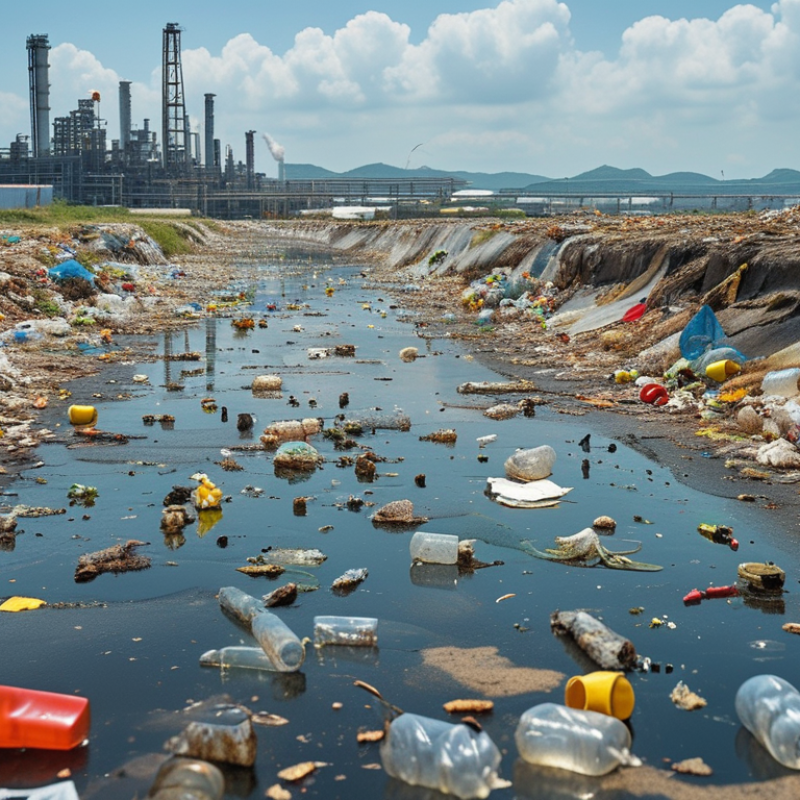
The growing plastic waste crisis compels us to explore innovative solutions. Turning Plastic Into Fuel presents a promising avenue. With millions of tons of plastic produced annually, finding sustainable methods is crucial. This process not only reduces waste but also provides an alternative energy source.
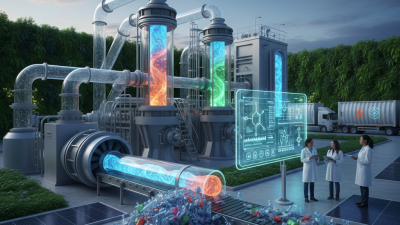
Experts highlight various techniques to convert plastic into fuel. These methods include pyrolysis and gasification, which transform waste into usable energy. However, these technologies are not without challenges. They require significant investment and research to optimize efficiency and reduce emissions.
While potential benefits exist, many aspects warrant careful consideration. Environmental impacts and scalability pose questions. The journey of Turning Plastic Into Fuel is complex, demanding continual reflection and improvement. Developing reliable, safe systems should be our priority as we navigate this essential transition.
Understanding the Basics of Plastic Conversion to Fuel
Plastic pollution is a pressing issue. Converting plastic into fuel offers a potential solution. This process involves breaking down plastic waste into usable fuels, like diesel or gasoline. Various methods exist, such as pyrolysis, which heats plastic in the absence of oxygen. This method can transform hard-to-recycle plastics into valuable energy sources.
Fuel from plastic can help reduce our reliance on fossil fuels. It can also provide a way to manage the vast amounts of waste in landfills. When implementing plastic-to-fuel methods, it is essential to consider the environmental impact. Excessive emissions from the conversion process could negate the benefits. Effective technology can minimize these emissions, making the process more sustainable.
Here are some tips: Make sure to assess your plastic waste carefully. Not all types are suitable for conversion. Proper sorting can ensure better efficiency. Also, research local regulations regarding plastic conversion. The legality and practices vary by region and can affect your project. Being informed is crucial. Keep exploring methods and technologies as advancements will likely improve efficiency and reduce environmental harm.
Various Methods for Converting Plastic Waste into Usable Fuels
Plastic waste is a growing concern. Various methods exist to convert this waste into usable fuels. One approach is pyrolysis. This thermal decomposition occurs when plastic is heated in the absence of oxygen. The process breaks down long polymer chains into hydrocarbons. These hydrocarbons can be further refined into fuels like gasoline or diesel.
Another method is gasification. In this process, plastic is turned into syngas, a mixture of hydrogen and carbon monoxide. Syngas can be used for electricity generation or transformed into synthetic natural gas. Notably, both methods reduce landfill use. This transformation of waste into energy is promising but not without challenges.
Tips: Ensure proper sorting of plastics for more effective conversion. Consider the energy input required for these processes, as it can impact overall efficiency. Educating the community about plastic waste disposal can also facilitate better recycling practices. Recognizing the limitations of these methods encourages ongoing research and improvement.
Key Technologies and Innovations in Plastic to Fuel Conversion
Plastic waste poses significant environmental challenges. However, recent innovations in plastic-to-fuel conversion technologies provide promising solutions. Pyrolysis, for instance, converts plastic into oil. This process involves heating plastic in the absence of oxygen, breaking it down into valuable hydrocarbons. The resulting oil can be refined into diesel or gasoline, creating an alternative fuel source.
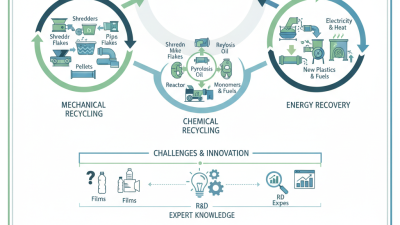
Gasification is another cutting-edge method. It converts plastic into synthesis gas, or syngas, which can be transformed into various fuels or chemicals. This approach is efficient and minimizes waste. Another method, chemical recycling, breaks plastics down to their original monomers. This process allows for the creation of new plastics or fuels from recycled materials.
These technologies highlight the potential of waste management. Yet, challenges remain. The energy required for these processes can offset some benefits. Additionally, not all plastics are suitable for conversion. Research is ongoing to address these issues and improve efficiency. The future of converting plastic to fuel is promising, but continued innovation is essential.
Environmental Benefits of Converting Plastic into Energy Resources
The increasing concern over plastic waste has led to innovative solutions in energy production. Converting plastic into fuel offers substantial environmental benefits. According to the International Energy Agency, over 300 million tons of plastic are produced annually, and a significant portion ends up in landfills or oceans. By transforming this waste into energy, we can reduce the burden on our ecosystems.
One key advantage is the reduction of greenhouse gas emissions. Studies suggest that converting plastic to fuel can result in up to 75% lower emissions compared to traditional fossil fuel extraction processes. Moreover, this method can decrease reliance on nonrenewable resources. It highlights an avenue for cleaner energy, but challenges remain, including efficient processing and the need for regulation.
Despite potential, the effectiveness of these technologies varies. Some plastics are easier to convert than others, which complicates the recycling process. Additionally, there is an ongoing debate regarding the efficiency of energy recovery compared to other methods of waste management. Balancing these factors is crucial as we aim for sustainable solutions in addressing plastic pollution.
Environmental Benefits of Converting Plastic into Energy Resources
Challenges and Future Prospects for Plastic-to-Fuel Technologies
The future of plastic-to-fuel technologies holds promise but faces significant challenges. One primary issue is the efficiency of conversion processes. Current methods vary in effectiveness, impacting fuel yield and quality. Researchers continue to explore innovative ways to enhance these processes. The quest for high-temperature thermochemical conversion methods is a promising avenue; however, it can be technically complex.
Another challenge lies in the types of plastics used. Different plastics require different treatments. This variability complicates standardization and forces industries to adapt continually. Therefore, developing methods to handle diverse plastic waste streams is crucial. The solution might be more modular systems that can integrate various feedstocks.
Tips for navigating this complex landscape: Focus on research that emphasizes efficiency and versatility. Collaborate with experts in material science and chemical engineering for better insights. Stay updated on regulatory changes impacting plastic waste management to adapt accordingly. Continuous learning will be vital as this technology evolves, urging stakeholders to remain flexible and informed.