China Top Biomass Pyrolysis Plant Technologies and Benefits Explained?
The rise of renewable energy has led to innovations in various technologies, notably the Biomass Pyrolysis Plant. This technology converts organic materials into valuable resources like biofuels and biochar. It offers a sustainable solution for waste management while reducing greenhouse gas emissions.
Biomass Pyrolysis Plant technologies are gaining attention in China. They enable the efficient processing of agricultural and forestry waste. This process not only generates energy but also contributes to soil health through biochar application. While this technology presents exciting benefits, it's essential to address the challenges involved, such as scalability and initial investment costs.
Investing in Biomass Pyrolysis Plant technologies reflects a commitment to a greener future. However, more research is needed to optimize these systems fully. Stakeholders must collaborate to enhance the efficiency and reliability of these plants. They hold the potential to transform waste into valuable resources, yet the journey is not without obstacles.
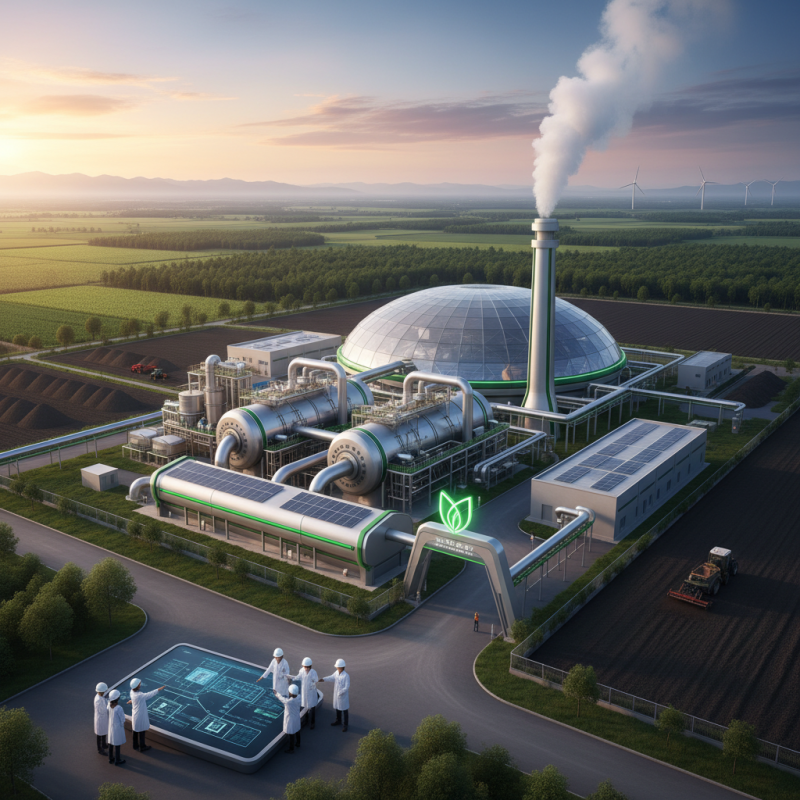
Overview of Biomass Pyrolysis: Definition and Process
Biomass pyrolysis is a thermal decomposition process that converts organic materials into biochar, bio-oil, and syngas. This innovative technology holds significant promise for waste management and energy generation. The process occurs in the absence of oxygen, which prevents combustion. Temperatures typically range from 300°C to 800°C. Research indicates that biomass pyrolysis can convert up to 70% of biomass into usable forms of energy.
The benefits of biomass pyrolysis are substantial. When using agricultural residues or forestry waste, the process not only reduces landfill use but also generates renewable energy sources. According to the International Renewable Energy Agency (IRENA), the global bioenergy market could grow to 200 billion USD by 2025. Furthermore, biochar produced in the process enriches soil health, promotes carbon sequestration, and mitigates climate change.
However, challenges remain. The efficiency of biomass feedstock can vary widely. High moisture content can lower energy yield. Technologies constantly evolve to optimize these processes. Nevertheless, further advancements in biomass pyrolysis remain imperative for maximizing resource utilization and environmental benefits.
China Top Biomass Pyrolysis Plant Technologies and Benefits Explained
| Technology Type |
Key Features |
Feedstock |
Energy Output (MJ/kg) |
Environmental Benefits |
| Conventional Pyrolysis |
Single-stage process, high temperature |
Wood chips, agricultural waste |
15-20 |
Reduces landfill waste, lower carbon emissions |
| Fast Pyrolysis |
High biomass feed rate, rapid heating |
Crop residues, energy crops |
25-30 |
Significant reduction in emissions, energy recovery |
| Slow Pyrolysis |
Longer retention time, lower temperature |
Manure, lignocellulosic materials |
13-18 |
Soil amendment, carbon sequestration |
| Hydrothermal Carbonization |
Process under high pressure and temperature
Water is reactant |
Wet biomass, sewage sludge |
11-15 |
Reduced greenhouse gases, energy recovery |
Key Technologies Employed in China’s Biomass Pyrolysis Plants
Biomass pyrolysis is gaining traction in China, driven by the need for sustainable waste management. This process converts organic materials into bio-oil, biochar, and gas through thermal decomposition. In recent years, China has adopted innovative technologies in its biomass pyrolysis plants, significantly increasing efficiency and output.
Key technologies include fluidized bed reactors and auger pyrolysis systems. Fluidized bed reactors ensure even heat distribution. This results in higher yields of bio-oil, up to 70% in some cases. On the other hand, auger pyrolysis allows for continuous feed of biomass. This makes the process more efficient and reduces downtime. Reports suggest that the biochar produced can improve soil quality, addressing agricultural challenges.
Tips: Monitoring the temperature closely is essential. A slight deviation can affect the yield drastically. Also, consider the moisture content of biomass; it should ideally be below 15% for optimal performance. While these technologies show promise, challenges remain. Factors like the inconsistent quality of feedstock can impact the final products. Thus, continuous research and development are vital in this evolving sector.
Environmental and Economic Benefits of Biomass Pyrolysis
Biomass pyrolysis is gaining recognition for its environmental advantages. This process converts organic materials, like agricultural waste, into biochar, bio-oil, and syngas. These products offer sustainable alternatives to fossil fuels. Using biomaterials reduces reliance on non-renewable resources. It also decreases greenhouse gas emissions.
Economically, biomass pyrolysis presents promising opportunities. By converting waste into energy, it minimizes disposal costs. Regions can create jobs in energy production and technology development. Local economies benefit from increased energy independence and innovation. However, initial investments can be high. This might deter small operators from entering the market.
Despite the challenges, the potential benefits are considerable. Biomass pyrolysis could play a key role in addressing global energy demands. It offers a path toward sustainable development. Careful planning and investment are crucial for success. As technology improves, the industry may evolve, providing better efficiency and lower costs.
Environmental and Economic Benefits of Biomass Pyrolysis
Applications of Pyrolysis Products in Different Industries
Biomass pyrolysis is an innovative process that converts organic materials into useful products. Different industries utilize its products in various ways. In agriculture, biochar produced from pyrolysis improves soil health. This enhances crop yields and reduces the need for chemical fertilizers.
In the energy sector, pyrolytic oil serves as a renewable fuel. It is often used in industrial boilers or converted to biodiesel. Such applications help lower carbon emissions. Additionally, the chemical industry utilizes syngas, a byproduct of pyrolysis, as a building block for producing chemicals.
**Tips:** Consider how renewable energy sources can replace fossil fuels in your operations. Explore local regulations on waste management for potential partnerships. Thorough research into technologies can yield significant long-term benefits.
Future Trends and Innovations in Biomass Pyrolysis Technology
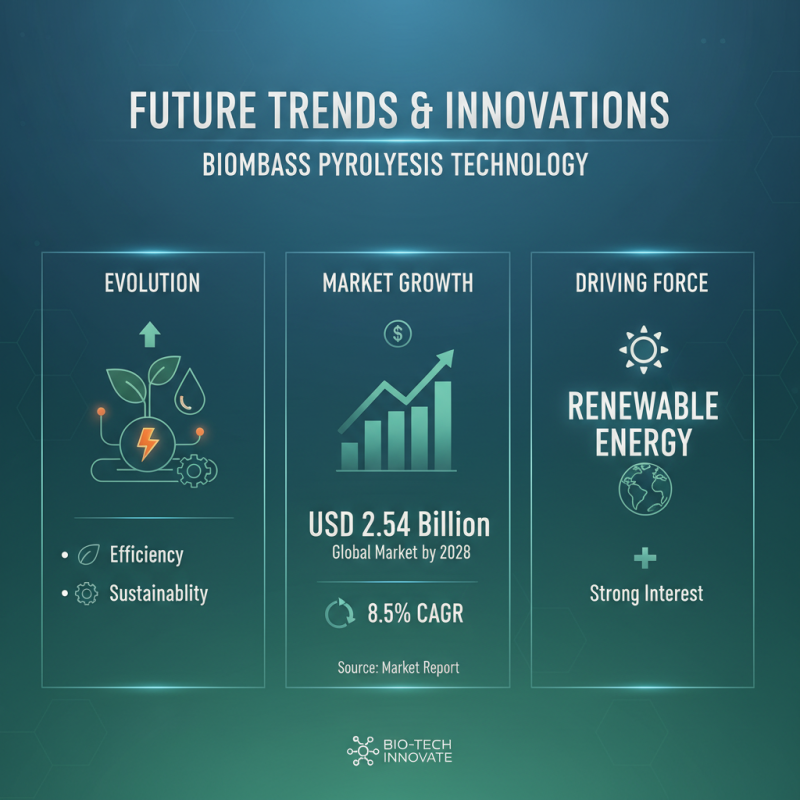
Biomass pyrolysis technology is rapidly evolving. Current innovations are focusing on efficiency and sustainability. According to a recent market report, the global biomass pyrolysis market could reach USD 2.54 billion by 2028, growing at a CAGR of 8.5%. This indicates a strong interest in renewable energy sources.
Advancements in reactor design are a key trend. New, more efficient reactors enhance production rates and reduce emissions. These improvements can increase bio-oil yield by up to 25%. Emerging technologies such as microwave-assisted pyrolysis show promise. This method can lead to shorter processing times and lower energy demands, yet many challenges remain in scalability and cost-effectiveness.
Integration of machine learning also marks a significant innovation. This technology can optimize process parameters and predict equipment failures. However, the transition from traditional methods to smart technologies is slow. Companies must address training and resource allocation issues to leverage these innovations effectively. As the industry grows, balancing efficiency and environmental compliance remains a critical concern.