Top Benefits of Industrial Plastic Recycling for a Sustainable Future?
Industrial Plastic Recycling is becoming increasingly vital for our planet. With rising plastic waste, industries face urgent challenges. Recycling not only reduces landfill contributions but also conserves natural resources. Companies are recognizing the importance of adopting sustainable practices.
The benefits extend beyond environmental impact. Industrial Plastic Recycling can lead to cost savings and enhanced brand reputation. It fosters innovation in sustainable materials and encourages a circular economy. Nevertheless, the sector struggles with efficiency and consumer awareness. Many businesses still find it daunting to implement effective recycling programs.
This journey towards a sustainable future is not without its challenges. While we celebrate progress, there is a need for reflection on better practices. In the long run, embracing Industrial Plastic Recycling is crucial for sustainability. Industries must remain vigilant, proactive, and committed to ongoing improvements.
Overview of Industrial Plastic Recycling
Industrial plastic recycling plays a crucial role in promoting sustainability. This process not only reduces waste but also conserves valuable resources. According to the National Association for Plastic Container Recovery, recycling one ton of plastic can save approximately 7.4 cubic yards of landfill space. In the recycling process, materials like polyethylene and polypropylene are often reprocessed into new products.
However, the recycling rates remain low. The Environmental Protection Agency reported that only about 9% of plastic waste was recycled in 2020. This indicates a significant gap in recycling efforts. Improving infrastructure and increasing awareness are critical steps needed to boost recycling rates. Innovations in technology could enhance the efficiency of recycling systems.
Challenges exist in sorting and processing plastics. Contamination from non-recyclable materials can hinder the recycling process. Moreover, consumers often lack knowledge about proper recycling practices. Addressing these issues is essential for realizing the full potential of industrial plastic recycling. Overall, while the benefits of recycling plastics are evident, there remain hurdles that need attention to achieve a more sustainable future.
Top Benefits of Industrial Plastic Recycling for a Sustainable Future
Environmental Impact of Plastic Waste
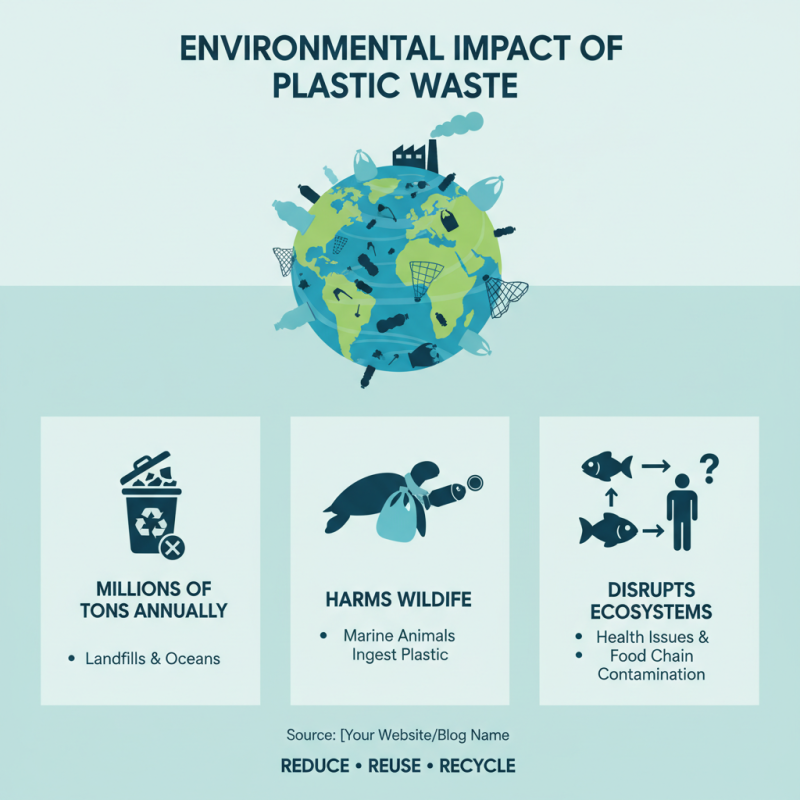
Plastic waste poses a significant threat to our environment. Every year, millions of tons of plastic end up in landfills and oceans. This waste harms wildlife and disrupts natural ecosystems. Marine animals often ingest plastic debris, mistaking it for food. Ingested plastics can lead to severe health issues for these creatures.
Recycling industrial plastic plays a crucial role in reducing this impact. It conserves resources and minimizes pollution. By reprocessing plastics, we can reduce the need for raw materials. Yet, not all plastics can be recycled easily. Many facilities struggle with contamination, leading to a lower recycling rate. This highlights a critical area for improvement in our recycling processes.
Plastic recycling also fosters economic growth. New jobs emerge in recycling plants and innovative startups. However, it’s essential to educate industries about proper recycling. Mismanagement of plastic waste remains a challenge. The journey towards a sustainable future requires shared responsibility and continuous effort from all stakeholders. The fight against plastic waste is ongoing, and we must strive for better solutions.
Economic Advantages of Recycling Plastics
Recycling industrial plastics presents significant economic advantages. Industries can save money by reusing materials instead of purchasing new ones. This reduces production costs, leading to higher profit margins. For instance, companies that invest in recycling technologies often see a return on their investment within a few years.
Moreover, recycling plastics creates jobs. It requires skilled labor for sorting, processing, and refining materials. This process can boost the local economy by creating employment opportunities in communities. However, the recycling industry faces challenges. Not all plastics are easy to recycle, and some require advanced technology that may be costly.
Furthermore, recycled plastics can attract environmentally conscious consumers. Companies that prioritize sustainable practices can enhance their brand image. This often leads to increased sales. Yet, the recycling process is not flawless. Contamination is a common issue that can undermine cost savings. Addressing these imperfections can lead to more efficient recycling systems, fueling a more sustainable future.
Top Benefits of Industrial Plastic Recycling for a Sustainable Future
| Benefit |
Description |
Economic Impact |
Environmental Impact |
| Cost Savings |
Reduces costs for raw materials by using recycled plastics. |
Saves businesses up to 30% compared to virgin materials. |
Decreases demand for new plastic production, lowering emissions. |
| Job Creation |
Increases employment opportunities within the recycling sector. |
Creates an average of 1.17 jobs for every additional recycling job. |
Promotes a circular economy through skilled labor. |
| Waste Reduction |
Diverts plastics from landfills and minimizes waste pollution. |
Potentially reduces disposal costs and landfill fees. |
Reduces environmental footprint and conserves natural resources. |
| Energy Efficiency |
Lower energy consumption compared to producing new plastics. |
Energy savings of up to 70% in some processes. |
Significantly reduces carbon footprint associated with energy production. |
| Market Growth |
Increasing demand for recycled materials in various industries. |
Projected market growth of recycled plastics by 12% annually. |
Encourages innovation in sustainable materials and technology. |
Innovative Technologies in Plastic Recycling
Innovative technologies are transforming the landscape of plastic recycling. Advanced sorting systems use AI to identify different types of plastics.
This precision increases efficiency, ensuring that more material can be recycled. Robotics also play a key role. These machines can handle tasks that are hazardous for humans.
Chemical recycling is gaining traction as an innovative solution. It breaks down plastics into their raw components, allowing for the creation of new products.
This method tackles the challenge of non-recyclable plastics. It's a promising approach but still faces economic hurdles. Finding ways to make it cost-effective remains essential.
Moreover, technologies like blockchain ensure transparency in the recycling process. This helps stakeholders track materials and verify recycling efforts.
However, the integration of new tech raises questions about accessibility. Smaller companies may struggle to adopt these innovations.
Balancing innovation with practicality will be crucial for the future of industrial plastic recycling.
Future Trends in Sustainable Plastic Solutions
The landscape of industrial plastic recycling is evolving rapidly. Emerging technologies are reshaping how we handle plastic waste. According to a recent report by the Ellen MacArthur Foundation, global plastic recycling rates could reach 50% by 2030 if current trends in innovation continue. This shift promises not just environmental benefits, but also economic ones, as recycled plastics often present lower production costs.
One noteworthy trend is the rise of chemical recycling. Unlike traditional methods, which can only handle certain types of plastics, chemical processes can treat a wider variety. The American Chemistry Council estimates that adopting these technologies could increase the volume of recycled plastics by over 30 million tons annually. This advancement raises questions about the efficiency and scale of implementation as challenges remain.
Additionally, the focus on biodegradable plastics is gaining momentum. A report from MarketsandMarkets projected the biodegradable plastics market to reach $6.4 billion by 2026. While this looks promising, issues related to production methods and compostability standards must be addressed. The push for sustainable plastic solutions is crucial, but it calls for a cautious approach to balance innovation and environmental impact.