China Top Garbage Incinerators Efficiency and Environmental Impact?
China has rapidly adopted Garbage Incinerators as a solution for waste management. According to recent reports from the Ministry of Ecology and Environment, over 300 incineration facilities operate nationwide. These facilities are crucial for reducing landfill waste and controlling environmental pollution. However, their efficiency and environmental impact are under scrutiny.
Dr. Liu Wei, a leading expert in waste management, states, "While Garbage Incinerators help manage waste, their emissions require careful monitoring." He emphasizes the need for advanced technologies to minimize harmful outputs. Indeed, many incinerators rely on outdated processes that struggle to meet modern environmental standards.
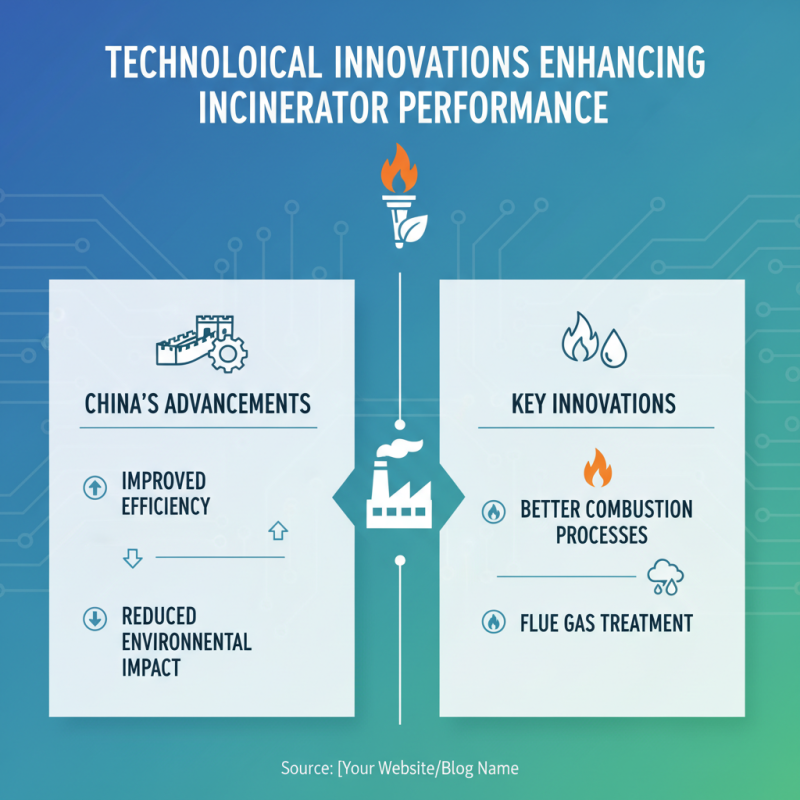
Despite these challenges, the industry continues to innovate. Newer models focus on energy recovery and lower emissions. However, ongoing reports reveal that not all facilities achieve optimal efficiency. It is vital for the industry to reflect on these shortcomings to enhance the overall effectiveness of Garbage Incinerators in China.
China's Garbage Incineration Landscape: An Overview
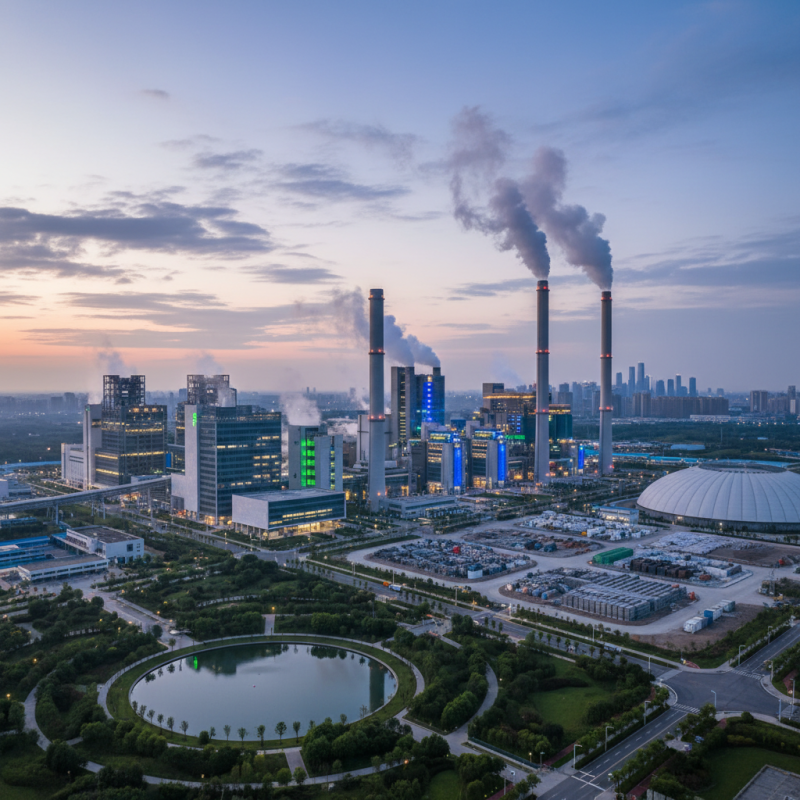
China's garbage incineration landscape has seen significant growth over the last decade. A report from the Ministry of Ecology and Environment shows that over 50% of urban waste is now treated through incineration. This rise in capacity aims to alleviate mounting landfill pressures. However, the environmental impact remains a point of concern. Incinerating waste can reduce volume by 90%, but it may emit harmful pollutants if not properly managed.
According to recent studies, over 90% of incinerators in China have adopted advanced emission control technologies. This is crucial in reducing toxic gases like dioxins. However, many facilities still lack optimal monitoring systems, leading to uncertainties about air quality. The challenge is balancing waste management efficiency with environmental protection.
Tip: Regular monitoring of emissions is vital for any waste facility. It helps ensure compliance with environmental standards. Cities can increase safety by investing in better monitoring technology.
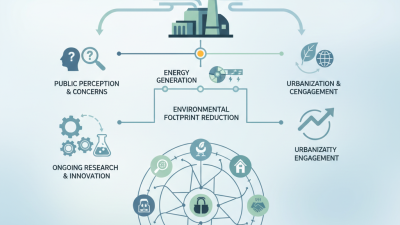
Another area needing attention is public perception. Many citizens fear incineration for its potential health risks. Education campaigns explaining modern technologies could alleviate concerns. Additionally, fostering community involvement in waste segregation may enhance recycling efforts.
Tip: Engage the community in waste reduction initiatives. Informing citizens about their role can lead to significant waste diversion from incinerators.
Efficiency Metrics of Leading Incinerators in China
Garbage incineration in China has gained significant attention due to its efficiency metrics. Leading incinerators are designed to convert waste into energy. They achieve high combustion temperatures, often exceeding 850 degrees Celsius. This process reduces waste volume significantly, sometimes by 80% or more. However, efficiency does not tell the whole story.
While energy recovery is impressive, environmental concerns persist. Some facilities struggle with emissions. Dioxins and particulate matter can be released during incineration. Monitoring and regulations are necessary to mitigate these risks. There are instances where emissions exceeded acceptable limits. Community health remains a pressing issue. Local residents often express concerns regarding air quality and potential health impacts.
Furthermore, not all incinerators share the same technology or efficiency levels. Variability in equipment and operational practices affects performance. Some facilities may operate well but lack adequate pollution control technologies. The reliance on incineration raises questions about sustainable waste management. It highlights the need for continuous improvement and innovation in the sector. Balancing efficiency with environmental protection is crucial for future developments.
Environmental Impacts of Incineration: Emissions and Residue
The process of garbage incineration is a controversial topic. It offers an efficient waste management solution, reducing the volume of waste significantly. However, the environmental impact raises serious concerns. Incinerators emit greenhouse gases and harmful pollutants, including dioxins and furans. These emissions can contaminate air and water, posing risks to public health.
Residue from incineration also deserves attention. The ash leftover contains heavy metals and toxic substances. Proper handling and disposal of this residue are crucial. Many plants struggle with safe disposal methods, creating additional environmental challenges. Local communities often report increased anxiety about health implications from nearby incinerators.
In pursuit of efficiency, some incinerators have improved technology to minimize emissions. Nevertheless, ongoing evaluations are necessary. Regulation of these facilities remains inconsistent in various regions. Greater transparency and public involvement could improve community trust. Understanding the balance between waste management and environmental protection is essential for future developments.
Comparison of Incineration and Alternative Waste Management Methods
Waste management is a pressing issue in urban China. Incineration offers a quick solution, yet it has environmental implications. Compared to other methods like recycling or composting, incineration reduces waste volume significantly. However, it generates emissions that can affect air quality.
Recycling remains a more sustainable approach. This method conserves resources and reduces landfill usage. Composting organic waste can return nutrients to the soil. These practices minimize harmful emissions and promote a healthier environment. They require community engagement and awareness, which can be challenging.
Tips: Consider adopting a waste sorting habit. Engage in local recycling programs. Small actions can lead to big changes over time. Reflect on how personal choices impact the environment. Evaluate the balance between convenience and sustainability in your daily life.