China Top Garbage Incinerators Technology and Environmental Impact?
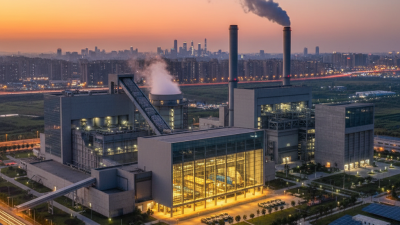
In recent years, China has made significant strides in garbage management through advanced garbage incinerators. These facilities are designed to reduce waste volume and generate energy from refuse. As urban areas grow, so does the challenge of waste disposal. Garbage incinerators offer a promising solution, yet they also raise environmental concerns.
The technology behind these incinerators is constantly evolving. Many use advanced filtration systems to minimize air pollution. However, issues related to emissions still exist. The public remains concerned about the long-term effects on health and the environment. Balancing waste management and environmental protection is complex. The effectiveness of garbage incinerators depends on their operation and maintenance.
China's commitment to sustainable development is evident. Yet, there is room for improvement in monitoring and regulation. It is essential to address the community’s fears and enhance transparency in waste management practices. The ongoing debate about garbage incinerators highlights the need for responsible innovation in tackling waste and protecting public health.
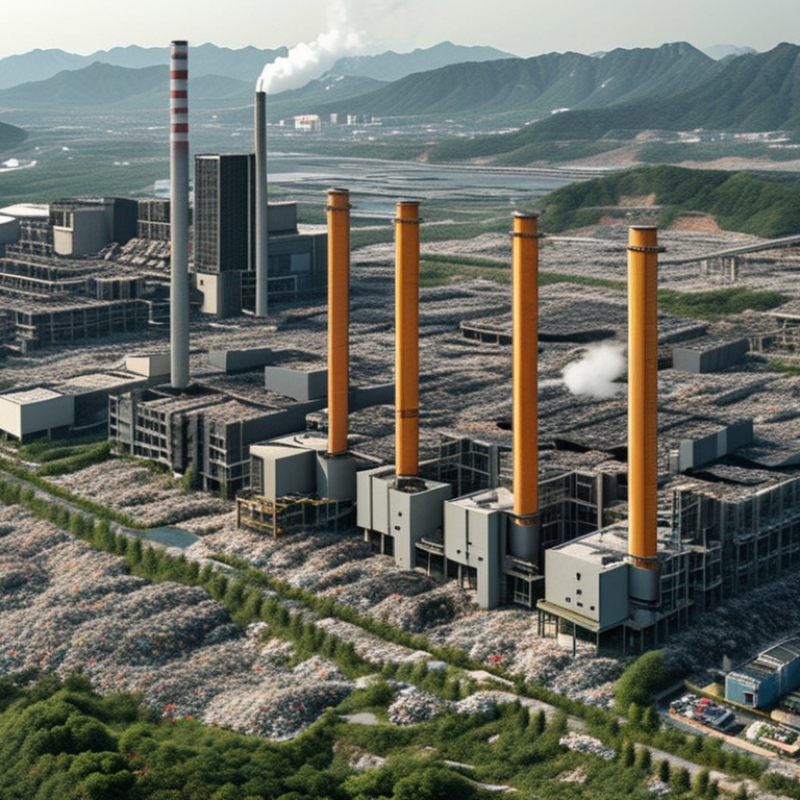
China's Garbage Incineration Technology: An Overview of Current Trends
China's garbage incineration technology has made significant strides in recent years. Increasing urbanization has led to a dramatic rise in waste generation. In response, the government has invested in advanced incineration methods. These methods focus on efficient energy recovery while ensuring minimal emissions. Recent data shows that newer plants are equipped with improved filters and scrubbers. This helps to reduce toxic output, making waste disposal more environmentally friendly.
Despite these advancements, challenges remain. Not all plants adhere to the same environmental standards. Variability in local enforcement leads to inconsistent performance. Moreover, there is growing public concern about the health impacts of incineration. Communities often express apprehension over potential smoke and ash pollution. Engaging local populations is crucial in addressing these fears. Transparency in emission reporting can also build trust.
As technology progresses, innovation is key. Exploring alternative waste management solutions is necessary. Implementing circular economy principles can reduce reliance on incineration. The balance between efficient waste management and public health must continue to evolve. With commitment and collaboration, China can enhance its waste management landscape responsibly.
Key Innovations in Garbage Incinerators: Efficiency and Emission Control
Garbage incineration is a vital part of waste management in China. Recent innovations focus on efficiency and emission control. Modern incinerators use advanced technologies to improve combustion. These advancements ensure that waste burns more completely, reducing the volume of ash produced. Higher temperatures in combustion processes lead to fewer harmful byproducts. This means cleaner air and less pollution for nearby communities.
Tip: Regular maintenance of incinerators is crucial. Even the best technology can underperform without proper upkeep. Check emissions regularly to ensure compliance with environmental standards.
Emission control systems are essential for minimizing adverse effects. Filters and scrubbers capture particulates and noxious gases. However, the efficiency of these systems can vary. Not all facilities may implement the best practices consistently. This inconsistency calls for better training for operators and stricter regulations.
Tip: Awareness among the public is key. Engaging communities in discussions about waste management can lead to improved results. Transparency in operations promotes trust and responsibility among facility operators.
China Top Garbage Incinerators Technology and Environmental Impact
| Technology Type |
Efficiency (%) |
NOx Emissions (mg/Nm³) |
SO2 Emissions (mg/Nm³) |
Fly Ash Recycling (%) |
Energy Recovery (MWh/Ton) |
| Grate Incineration |
85 |
100 |
40 |
50 |
0.8 |
| Fluidized Bed Incineration |
90 |
80 |
30 |
60 |
1.2 |
| Rotary Kiln |
80 |
120 |
45 |
40 |
0.6 |
| Centrifugal Incineration |
88 |
70 |
35 |
55 |
1.0 |
Environmental Impact of Incineration: Analyzing Air and Soil Quality Data
The practice of garbage incineration in China raises significant concerns regarding air and soil quality. Various studies highlight the emission of harmful pollutants. These include dioxins, heavy metals, and particulate matter. Such pollutants can lead to respiratory illnesses and other health issues. Communities near incinerators often report higher cancer rates. Air quality data reveals fluctuating levels of these toxic substances. Certain pollutants exceed safe limits set by health authorities.
Soil quality is equally impacted by incineration processes. Ash residue from burning waste can contaminate local soils. Studies indicate increased levels of lead and cadmium in proximity to incinerators. This contamination disrupts soil health and affects agriculture. Local farmers express concerns about the safety of their crops. The long-term environmental impact of these emissions demands urgent attention. These findings suggest that while incineration may reduce waste volume, it poses significant risks. Understanding these risks is crucial for future policy-making in waste management.
Regulatory Framework Governing Garbage Incineration in China
In recent years, China has significantly advanced its regulatory framework for garbage incineration. This framework is essential for managing waste while protecting the environment. According to a report by the Ministry of Ecology and Environment, as of 2022, 51% of urban waste was processed through incineration. However, the regulatory standards to keep emissions in check still face challenges.
China’s regulations require incinerators to maintain strict limits on pollutants. For example, dioxin emissions must be below 0.1 ng TEQ/m³. This benchmark aligns with EU directives, showcasing China’s commitment to environmental standards. Despite these efforts, concerns about air quality persist. Experts report that some facilities struggle to meet these standards consistently.
The impact of these regulations on public health is still an area of debate. A study suggests that proximity to incinerators can correlate with respiratory issues in local populations. While incineration can reduce waste volume by up to 90%, the public remains wary of potential health risks. Engaging communities in discussions about waste management may bridge this gap in understanding and promote more effective solutions.
Comparative Analysis: Incineration vs. Landfill in Waste Management Strategies
In China, waste management strategies often focus on incineration versus landfill use. According to recent reports, incineration can reduce waste volume by 90%. This significant reduction is crucial in densely populated areas where space is limited. However, the environmental impact of incineration raises concerns, especially regarding emissions. While modern incinerators are equipped with advanced filtration systems, some pollutants still escape into the atmosphere.
Landfills, on the other hand, offer a contrasting approach. The National Development and Reform Commission estimates that over 80% of urban waste is currently landfilled. This method requires vast amounts of land and can lead to soil and groundwater contamination. Moreover, landfills emit methane, a potent greenhouse gas contributing to climate change. The lifespan of a landfill can range from decades to centuries, potentially burdening future generations.
While incineration presents a solution to waste volume, its emissions pose serious environmental challenges. Landfilling provides a space-efficient option but carries long-term ecological risks. Balancing these strategies requires careful consideration of local context and technological advancements. Continuous research and community engagement will be vital to improving waste management practices in China.
Comparative Analysis of Incineration vs. Landfill in Waste Management Strategies