Inquiry
Form loading...

How Do China Top Car Tyre Disposal Solutions Work?

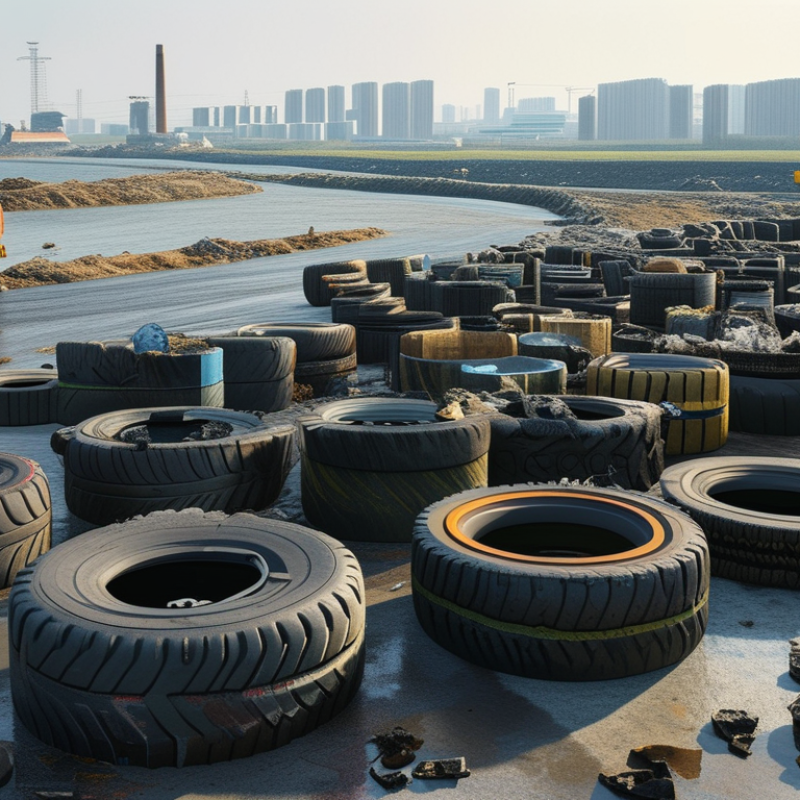
China’s scale makes Car Tyre Disposal an important industrial and environmental challenge. The World Business Council for Sustainable Development’s Tire Industry Project estimates that more than one billion end-of-life tyres appear globally each year. China contributes a significant share through its large vehicle market and extensive tyre manufacturing base. However, exact national volumes vary between reports because collection data remains fragmented.

High-performing Chinese disposal systems usually begin with controlled collection, weighing, and digital tracking. Workers inspect each tyre for retreading potential. Reusable casings may return to service, while damaged tyres move toward material recovery. Mechanical shredding can produce rubber granules, steel, and textile fibres. These materials may support rubber products, modified asphalt, or flooring applications. Some qualified facilities also use thermal conversion equipment under strict emission controls. The process requires stable temperatures, sealed systems, and continuous monitoring. Small details matter, such as removing stones before shredding.

Reports from the China Rubber Industry Association and international tire-industry studies highlight a practical reality. Recovery quality depends on sorting discipline, equipment maintenance, and reliable downstream markets. Not every tyre suits every technology. Pyrolysis is not automatically the best answer. Its value depends on feedstock quality, energy use, emission management, and product demand. The European Tyre and Rubber Manufacturers’ Association also emphasizes traceability and verified end markets in effective tyre management. China’s leading operators increasingly combine these principles with automated lines and environmental data systems. Yet no disposal network is perfect. Data gaps remain, and some facilities still need stronger transparency. A credible solution must therefore measure real recovery results, not merely advertise advanced machinery.
How Do China Top Car Tyre Disposal Solutions Work?

What Are China’s Main Car Tyre Disposal Solutions?

China’s main car tyre disposal solutions combine reuse, material recovery, and controlled thermal processing. Retreading comes first for suitable casings. Technicians inspect the tyre, remove worn rubber, and apply a new tread. This method extends service life and reduces demand for fresh rubber. However, damaged sidewalls or weak internal layers can make retreading unsafe. Not every tyre qualifies.

Mechanical recycling handles tyres that cannot return to roads. Cutting and shredding machines separate rubber, steel wire, and textile fibres. Clean rubber granules can enter playground surfaces, road materials, mats, or modified asphalt. Magnetic separators remove most steel, while air systems help separate lighter fibres. Results depend on moisture, contamination, and machine calibration. Small errors can lower product quality.

Pyrolysis offers another route in controlled facilities. Heat breaks rubber down without normal combustion, producing recovered carbon material, steel, and fuel-like liquid. Professional operators must manage temperature, vapour treatment, fire protection, and residue testing. Poor control can create emissions and unstable products. Energy recovery may process heavily contaminated tyres, but it requires strict pollution controls and approved equipment. China’s stronger disposal systems increasingly use tracking records, licensed transport, and measured output quality. The process is practical, but not perfect. Some recycled materials still need better markets, consistent standards, and clearer end-use testing.
How Are Used Car Tyres Collected and Sorted?

How Do China Top Car Tyre Disposal Solutions Work?

Used car tyres usually enter the system through repair shops, service centers, collection points, and municipal recycling stations. Staff record the quantity, size, condition, and source of each tyre. A digital weighbridge can reduce counting errors.

The U.S. Environmental Protection Agency estimates that about 290 million scrap tyres are generated annually in the United States, showing the scale of this waste stream. China faces an even larger challenge because of its vast vehicle population.

Collection quality matters.

Workers first remove mud, rims, stones, and other attached materials. They inspect sidewalls for cuts, deformation, and chemical damage. Tyres with safe tread depth may enter reuse or retreading channels. Others move to material recovery.

This decision needs trained judgment, not only automatic scanning. A rushed inspection can send repairable tyres to shredding, while a careless decision may create safety risks.

At sorting facilities, conveyors separate tyres by diameter, rubber condition, and construction type. Magnetic units extract steel wires, while fiber separators remove textile layers.

The European Tyre and Rubber Manufacturers’ Association reported that Europe generated approximately 3.9 million tonnes of end-of-life tyres in 2021. Such data supports stricter traceability from collection to processing.

However, sorting is not flawless. Moisture, mixed sizes, and incomplete records still cause errors. Better staff training and repeated quality checks remain necessary.

How Does Tyre Retreading Extend Car Tyre Service Life?

How Do China Top Car Tyre Disposal Solutions Work?

How Does Tyre Retreading Extend Car Tyre Service Life?

Tyre retreading gives a usable casing another working cycle. Technicians first inspect the tyre for cracks, punctures, uneven wear, and internal damage. They use pressure testing and visual checks before removing the worn tread. The casing is then buffed, repaired, and covered with new tread rubber. Heat and controlled pressure bond the materials together. It sounds simple. It is not.

The U.S. Tire Manufacturers Association reports that retreading can save about 15 gallons of oil per tyre compared with producing a new one. Industry data from the European Tyre and Rubber Manufacturers’ Association also indicates raw-material savings of up to 75%. These figures depend on casing quality, process control, and tyre type. A poorly maintained casing may fail inspection. Even a good retread cannot correct severe internal damage. In China, professional disposal systems can separate reusable casings from rubber, steel, and other materials, reducing unnecessary landfill pressure.

Tips: Check tyre pressure every month. Avoid prolonged overloading. Rotate tyres according to vehicle use. Record mileage and visible damage. Do not retread a casing with deep sidewall cuts or repeated heat damage. A practical weakness remains: many drivers judge tyres only by tread appearance. That habit can hide internal problems. Experienced inspectors should make the final decision.

How Tyre Retreading Extends Car Tyre Service Life

Retreading removes the worn tread and bonds a new tread onto an inspected casing. In this simplified service-cycle model, a sound casing can provide one initial service cycle and gain one additional cycle for each successful retread. Actual results depend on casing condition, damage inspection, alignment, inflation pressure, load and driving conditions.

How Are Waste Tyres Recycled into New Materials?

China’s advanced car tyre disposal systems begin with careful collection and inspection. Workers remove stones, mud, and oversized metal parts before processing. Tyres then enter shredders, which cut them into chips of controlled sizes. Magnetic separators recover steel wires, while screens remove textile fibers and dust.

The rubber can become crumb rubber, molded products, playground surfaces, or modified asphalt materials. Some facilities use controlled thermal conversion to produce recovered carbon materials, gas, and oil-like outputs. Each material needs testing for moisture, particle size, strength, and contamination. Clean separation matters. A small amount of steel can weaken the final product.

Experienced operators track each batch from collection to processing. This record supports quality checks and safer environmental management. However, recycling is not perfect. Mixed rubber compounds can behave differently, and recycled materials may need blending with new materials. More testing is still needed for demanding construction applications.

Tips: Choose facilities with clear inspection records and measured emissions control. Ask how steel and textile fibers are separated. Check whether recycled rubber meets the required use standard. Avoid judging quality by appearance alone. Dark and smooth does not always mean reliable.

How Do China Top Car Tyre Disposal Solutions Work? - How Are Waste Tyres Recycled into New Materials?

Process Stage Main Input Typical Equipment How It Works Recovered Material or Product Common Applications
1. Collection and Inspection End-of-life passenger-car tyres Collection vehicles, weighing systems, inspection area Tyres are weighed, recorded, and checked for contamination, excessive moisture, and non-tyre materials. Prepared tyre feedstock Controlled recycling operations and material traceability
2. Primary Shredding Whole or partially cut tyres Low-speed, high-torque twin-shaft shredder Rotating cutters tear tyres into irregular pieces while reducing their volume and making later separation easier. Tyre shreds, commonly about 50–300 mm depending on the screen and cutter setup Tyre-derived aggregate, further mechanical processing, and controlled thermal processing
3. Bead and Steel Separation Shredded tyre pieces containing steel cords Magnetic separators, bead pullers, and screening units Magnets capture ferrous steel after the rubber has been opened and screened. Recovered tyre steel and steel-free rubber pieces Steel recycling; cleaner rubber feedstock for granulation or thermal conversion
4. Fiber Separation Rubber pieces containing textile reinforcement Air classifiers, vibrating screens, and fiber separators Differences in density, airflow response, and particle size separate textile fibers from rubber granules. Textile fiber fraction and cleaner rubber material Fuel blending, composite products, insulation-related materials, or other approved uses
5. Granulation Steel-free and fiber-reduced rubber pieces High-speed granulator, screens, and recirculation conveyors Rubber is cut repeatedly and screened until it reaches a controlled particle size. Rubber granules, typically around 1–10 mm Rubber-modified asphalt, molded goods, flooring, mats, and construction products
6. Fine Grinding Rubber granules Fine grinders, powder mills, and precision classifiers Further size reduction produces fine rubber crumb or powder with a more uniform particle distribution. Rubber crumb and rubber powder, often below 1 mm Coatings, sealants, polymer modification, sports surfaces, and asphalt modification
7. Devulcanization Fine rubber powder Thermal, mechanical, chemical, or combined devulcanization equipment Part of the sulfur cross-link network is selectively broken so the rubber can be blended into new rubber compounds. Devulcanized rubber or reclaimed rubber Rubber sheets, molded components, mats, and selected new rubber products
8. Pyrolysis Prepared tyre shreds or rubber granules Oxygen-limited reactor, condensation system, gas treatment, and solid-residue collection Heat decomposes rubber polymers without ordinary combustion, producing vapors, non-condensable gas, and solid char. Pyrolysis oil, recovered carbonaceous solid, process gas, and separated steel Industrial fuel or chemical feedstock, solid carbon products, process heat, and metal recycling
9. Product Screening and Quality Control Recovered rubber, steel, fiber, or thermal-conversion products Particle-size screens, magnets, moisture testing, laboratory analyzers, and packaging systems Products are tested for particle size, moisture, steel and fiber content, ash, and other application-specific properties. Specification-controlled recycled materials Manufacturing feedstock that meets the requirements of its intended application
Material composition reference: Passenger-car tyres commonly contain approximately 45–55% rubber and other elastomeric materials, 10–20% steel, and 5–15% textile reinforcement by mass. Actual values vary according to tyre design, size, wear, and measurement method. Processing yields and product quality depend on equipment configuration, feedstock condition, and operating parameters.

How Does China Ensure Safe and Sustainable Tyre Disposal?

In China, safe tyre disposal starts with controlled collection, not the shredding machine. Waste tyres are weighed, recorded, and moved to qualified treatment facilities. Workers inspect each casing for mud, trapped water, and metal objects. These details affect safety and processing quality. Experienced operators then separate reusable casings from damaged tyres. Suitable casings may enter retreading channels, while unsuitable ones are cut into smaller pieces.

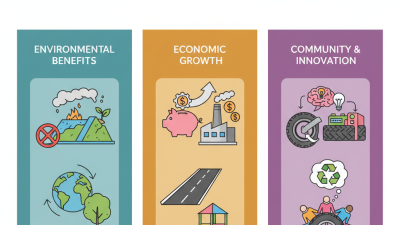
Modern facilities recover rubber, steel, and textile fibres through shredding and magnetic separation. Recovered rubber can support flooring, road materials, or molded products. Some plants use controlled thermal treatment, but emission monitoring and sealed equipment are essential. Local inspections, operating records, and material tracking help reduce illegal dumping and uncontrolled burning. China’s approach is improving, though regional capacity and process quality are not always equal. That gap deserves honest attention.

Tips: Store tyres under cover. Keep them away from flames and standing water. Use documented collection routes. Ask whether the facility tracks final material use. Check weighing records and treatment certificates. A low price may hide weak controls. Good disposal should protect workers, nearby soil, and air quality, not only recover valuable rubber.