Inquiry
Form loading...

China Top Methods to Recycle Old Tires Effectively?

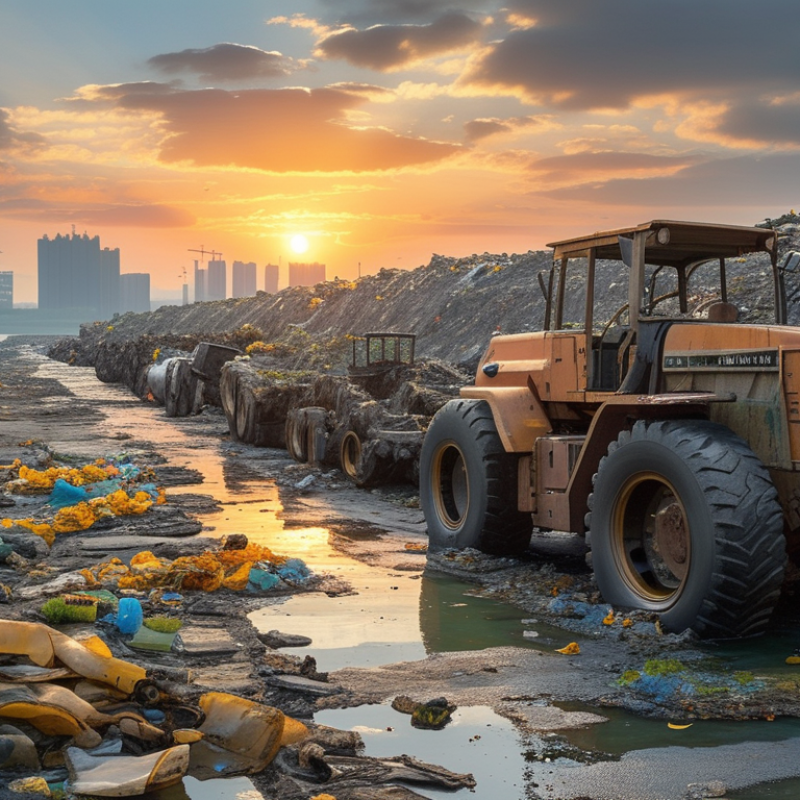
The importance of recycling old tires has grown significantly in recent years. In China, approximately 300 million tires are discarded annually, leading to severe environmental concerns. Proper methods to recycle old tires not only reduce waste but also contribute to the circular economy. According to the China Rubber Industry Association, only about 10% of used tires are effectively recycled. This low percentage highlights a critical gap in waste management strategies.

Recycling old tires can yield valuable materials. For instance, the production of rubber granules enables their reuse in various industries. Research indicates that recycled tire rubber can replace up to 20% of natural rubber in new tires, promoting sustainability. However, challenges remain in improving recycling technology and increasing public awareness.

The journey towards effective tire recycling is complex. Many facilities struggle with outdated processes that hinder efficiency. There is a pressing need for innovation in this sector. Educating communities about the benefits of recycling old tires is also essential. Efforts must focus on transforming waste into resources to foster a more sustainable future.
China Top Methods to Recycle Old Tires Effectively?

Methods for Shredding Old Tires for Recycling Purposes

Shredding old tires is a crucial step in recycling. The process reduces large, bulky tires into smaller, manageable pieces. This makes them easier to handle and transport. Various methods can achieve this shredding. Some techniques rely on mechanical shredders, while others use thermal processes. Each method has its strengths and weaknesses.

Mechanical shredding involves using machines with rotating blades. These blades break down tires into strips. The strips are then further processed into smaller chips. This method is efficient but can lead to wear and tear on machinery over time. On the other hand, thermal methods use heat to break down the tire's materials. This can yield fine rubber powders but often requires careful temperature control.

Not all shredding methods are equal. Choosing the right one depends on the intended recycling goal. For example, some methods create rubber chips better suited for asphalt production. Others may produce raw materials for making new rubber products. It's vital to research and analyze each option. Each recycling facility may need to explore various methods to find the most effective approach for their needs.
Innovative Techniques for Devulcanization of Rubber Materials

Devulcanization is a crucial process in recycling old tires. It breaks down the hard bonds in rubber, allowing for better reuse. According to the Rubber Manufacturers Association, about 300 million tires are discarded annually in the United States alone. This highlights the pressing need for effective recycling methods.

Innovative techniques in devulcanization focus on chemical and mechanical processes. Hydrolysis, for example, uses water and catalysts to revert rubber to its original state. This method shows promising results, as recent studies indicate over 90% devulcanization efficiency. Mechanical devulcanization, on the other hand, relies on shear forces to achieve similar results. While both techniques have advantages, they also face challenges, such as energy consumption and material purity.

Tips: Consider collaborating with local recycling plants. They often have the latest technology and can provide valuable insights. Stay updated on industry research. New developments can lead to more efficient recycling techniques. Engage in community programs. Sharing knowledge can enhance awareness and drive better recycling practices.

Top Methods for Tire Recycling Effectiveness

This chart illustrates the effectiveness percentages of various methods used for recycling old tires. Mechanical recycling stands out as the most effective, followed by devulcanization techniques, while methods like gasification and cement kilns have lower effectiveness percentages.

Processes for Transforming Scrap Tires into Fuel Resources

The transformation of scrap tires into fuel resources has become an essential topic in waste management. Scrap tires can be repurposed through various pyrolysis and gasification processes. These methods break down the tires chemically, yielding a mix of gases, oils, and solid residues. The produced oils can serve as alternative fuels, reducing our reliance on fossil fuels.

In pyrolysis, tires are heated in the absence of oxygen. This process can create high-quality fuel oil. It can be further refined for various industrial applications. Gasification converts tires into syngas, which can be used to generate electricity. Though both methods show promise, challenges remain. Not all tires break down easily, and residual carbon may cause pollution. More research is needed to enhance efficiency and reduce environmental impact.

Effective tire recycling must also address economic factors. The initial investment in technology can be high. Thus, incentives might be necessary. Local communities could benefit from awareness campaigns. Educating the public on tire recycling benefits can mitigate waste. Overall, while the methods exist, their effectiveness requires continuous improvement and thoughtful evaluation.

China Top Methods to Recycle Old Tires Effectively

Method Description Benefits Environmental Impact
Pyrolysis Heating tires in an oxygen-free environment to break down into oil, gas, and char. Produces usable energy sources, reduces waste. Significantly lowers landfill impact and emissions.
Mechanical Recycling Shredding tires into crumb rubber, which can be used in various applications. Versatile use in playgrounds, roads, and fields. Reduces new material demand, conserving resources.
Devulcanization Chemical process to break sulfur bonds, turning rubber back into a usable form. Allows for new rubber production from recycled material. Reduces reliance on virgin materials and lowers carbon footprint.
Tire-derived Fuel (TDF) Using shredded tires as a substitute for fossil fuels in energy generation. Cost-effective energy source, reduces waste volume. Helps decrease the carbon footprint of energy production.
Fiber Recovery Extracting the nylon or polyester fibers from tires for reuse. Recycles valuable materials, reducing the need for new fiber production. Minimizes waste and environmental damage from fiber production processes.

Utilizing Old Tires in Construction and Civil Engineering Projects

Old tires are a significant waste material, but they possess immense potential for reuse. In construction and civil engineering projects, old tires can play a crucial role. For instance, they can be used as lightweight fill material in embankments. This reduces the weight on underlying structures and minimizes settlement issues. However, there are challenges. The properties of rubber can vary, impacting how it behaves in different conditions.

Another innovative use of old tires is in retaining walls and sound barriers. When stacked and filled with earth, they create durable barriers. This method not only recycles tires but also enhances landscape aesthetics. Still, there are considerations regarding long-term durability and environmental impacts. It is vital to research tire composition and potential leachates that may arise over time.

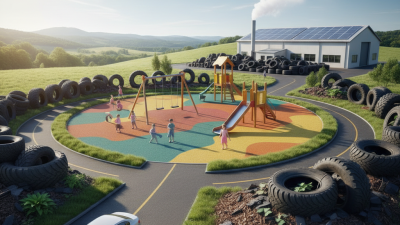
Furthermore, using old tires in playgrounds and sports fields is becoming popular. Their rubber composition provides cushioning, minimizing injury risks. However, this approach raises questions about maintenance and safety standards. Continuous assessment is needed to ensure the effectiveness and safety of these recycled materials in varied applications. The pursuit of recycling old tires is certainly promising, but the journey needs careful evaluation.

Exploring the Growth of Tire Recycling Industry in China

The tire recycling industry in China has shown remarkable growth in recent years. As of 2022, the market was valued at approximately $3 billion. This trend is driven by increased environmental awareness and stringent regulations on waste disposal. The volume of scrap tires generated in China is estimated to exceed 300 million annually, highlighting the urgent need for effective recycling methods.

Innovative technologies have emerged in this sector. Pyrolysis, for example, transforms old tires into valuable resources like oil and carbon black. Reports indicate that pyrolysis plants have increased by 25% from 2021 to 2022. However, challenges remain. Many facilities lack the latest technology, which can lead to inefficiencies. Reports suggest that up to 40% of recycled material can still end up in landfills due to inadequate processing.

The potential for recycled tire products is significant. Crumb rubber is increasingly used in construction and sports surfaces. Also, there is a growing interest in devulcanization processes. Despite these promising developments, the industry faces hurdles. Unregulated operations and low-quality materials threaten sustainability. Deadlines for tighter regulations loom, but compliance remains inconsistent among smaller players in the market.