Inquiry
Form loading...

China Top 10 Tire Disposal Methods for Eco Friendly Recycling Solutions?

Tire disposal presents a significant environmental challenge globally. In China alone, around 300 million tires are discarded each year. Proper recycling methods are crucial to reduce waste and promote sustainability. Industry expert Dr. Li Wei states, “A systematic approach to tire disposal can transform waste into valuable resources.” His insight underscores the importance of innovative solutions in managing tire waste.

The current recycling landscape shows a disparity between awareness and action. Many recycling facilities struggle to handle the increasing volume of discarded tires effectively. Approximately 25% of the tires are recycled, highlighting the need for better practices. Transitioning to eco-friendly recycling methods can not only minimize environmental harm but also create economic opportunities.

Challenges remain, including the need for better technology and public initiatives. Without adequate support, progress in tire disposal can stall. A focused approach, leveraging both advancements in technology and community involvement, is essential for a sustainable future. Engaging the public in recycling efforts may ultimately redefine tire disposal practices in China.

China Top 10 Tire Disposal Methods for Eco Friendly Recycling Solutions?

Overview of Tire Waste in China and Its Environmental Impact

Tire waste is a growing concern in China. The country produces millions of used tires annually. These tires pose severe environmental risks if not disposed of correctly.
They're often dumped in landfills, leading to soil and water pollution. This waste problem affects both urban and rural areas, presenting unique challenges. Tires can take hundreds of years to decompose, releasing harmful chemicals in the process.

The environmental impact is significant. When tires are burned, they emit toxic gases that contribute to air pollution. Furthermore, standing water in tire piles can become a breeding ground for mosquitoes. This increases the risk of diseases like dengue fever and Zika virus. Awareness of these issues is crucial for communities and policymakers.

Despite ongoing initiatives, tire recycling in China still faces obstacles. Infrastructure for disposal and recycling is often inadequate. Public awareness about proper disposal methods remains low. Innovative recycling solutions can mitigate these challenges. However, the current approach lacks uniformity and effectiveness. Sustainable practices must be prioritized to address these growing challenges effectively.

Current Regulations and Policies on Tire Recycling in China

Tire recycling in China is under increasing scrutiny due to environmental concerns. Regulations promote eco-friendly methods to reduce waste. The Ministry of Ecology and Environment has set guidelines that aim to boost recycling rates. These policies reflect a growing commitment to sustainable practices.

Current regulations require manufacturers to take responsibility for tire disposal. They must implement proper recycling methods. This shift is essential for reducing landfill waste. However, many challenges persist. Incidents of illegal dumping reveal gaps in enforcement. Awareness campaigns are needed to educate the public on proper disposal.

Overall, tire recycling in China is evolving. There is potential for improvement in both regulation and execution. By fostering a culture of responsibility, progress can be made. However, true sustainability requires more than policy; it needs active participation from all stakeholders. An honest assessment of current practices can lead to meaningful change.

Top 10 Eco-Friendly Tire Disposal Methods Adopted in China

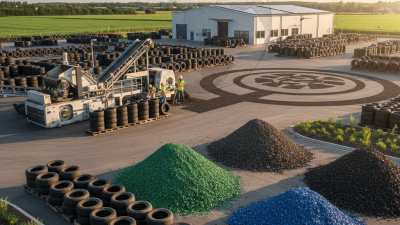
In China, innovative tire disposal methods are becoming essential in addressing waste management. Tires are made from durable materials that do not decompose easily, leading to environmental concerns. The top eco-friendly methods include shredding, where tires are cut into small pieces for reuse. This process helps reduce landfill waste and promotes recycling.

Another method involves pyrolysis. Tires are heated in an oxygen-free environment, breaking them down into oil, gas, and carbon black. This method not only recycles materials but also produces energy. Using reclaimed rubber for products like mats or playground surfaces is also popular. These applications reduce the need for raw materials and support the circular economy.

Tips: Always check local regulations before disposal. Find certified recycling centers in your area. Consider donating old tires that are still in usable condition. This can extend their life and lessen waste. Remember, every small effort contributes to a bigger environmental impact. Engaging in community recycling programs promotes awareness and action.

China Top 10 Tire Disposal Methods for Eco Friendly Recycling Solutions

Method Description Environmental Impact Recycling Rate (%)
Mechanical Recycling Shredding tires into small pieces for reuse in various applications. Reduces landfill waste and produces useful materials. 70%
Energy Recovery Burning tires to generate energy for industrial processes. Saves fossil fuels but emits CO2; careful management needed. 60%
Pyrolysis Thermal decomposition of tires in absence of oxygen. Produces oil, gas, and char, reducing solid waste significantly. 85%
Devulcanization Chemical process to remove sulfur from rubber. Allows for reprocessing of rubber into new products. 50%
Recycling into Construction Materials Using shredded tires in asphalt or as drainage material. Improves durability and reduces material cost. 75%
Biodiversity Enhancement Creating habitats using whole tires in landscapes. Promotes wildlife but needs planning to avoid hazards. N/A
Tire-derived Fuel (TDF) Processing tires into fuel for cement kilns and power plants. Effective energy source with proper emission controls. 80%
Rubber Mulch Production Grinding tires to produce mulch for landscaping. Reduces waste and provides an alternative to wood mulch. 65%
Research and Development Innovations in tire recycling technologies. Continual improvement and optimization of processes. N/A
Public Awareness Initiatives Programs to educate about tire recycling and disposal. Encourages community participation and proper practices. N/A

Innovative Technologies in Tire Recycling and Their Benefits

Tire recycling is gaining traction in China. Innovative technologies are reshaping the industry. These advancements offer more than just waste reduction; they promise better environmental outcomes. One notable method is pyrolysis. This process converts old tires into valuable materials, like oil and carbon black. Such materials can be reused in various applications.

Another method is devulcanization. This technique breaks down the rubber’s molecular structure. It allows for more effective recycling processes. Companies using this technology can improve the quality of recycled rubber. This ensures better performance in new products.

**Tips:** Look for local recycling initiatives to ensure your tires are disposed of properly. Collaborate with industries that adopt eco-friendly practices. Be aware: not all tire recycling methods are equal. Seek experts in green technologies for the best solutions. Consistently educate yourself on emerging trends in tire recycling to stay informed.

China's Top 10 Tire Disposal Methods for Eco-Friendly Recycling Solutions

Future Trends in Sustainable Tire Disposal Practices in China

Sustainable tire disposal practices in China are evolving rapidly. With growing environmental concerns, innovative recycling solutions are becoming essential. Traditional methods like landfilling are giving way to more eco-friendly alternatives. For instance, thermolysis technology efficiently transforms tires into oil and gas. This process not only reduces waste but also creates valuable resources.

Another promising trend is upcycling. Creative designers are finding new uses for discarded tires. From furniture to playground equipment, the potential is vast. However, the challenge remains in scaling these initiatives. Many small enterprises face barriers to entry, limiting their impact. Regulations and funding can be inconsistent, complicating efforts.

Education is key to successful implementation. Raising awareness about sustainable practices is vital for communities. People need to understand the importance of proper tire disposal. Collaboration between government bodies, NGOs, and the private sector can drive change. Together, they can create a robust framework to support these innovative approaches. It's a journey that requires patience and consistent effort.