Essential Tips for Effective Garbage Waste Disposal Solutions?
Garbage waste disposal is a crucial aspect of modern living. Proper management can reduce environmental impact and promote public health. Many households and businesses struggle with effective disposal. They often overlook essential practices, leading to inefficiencies.
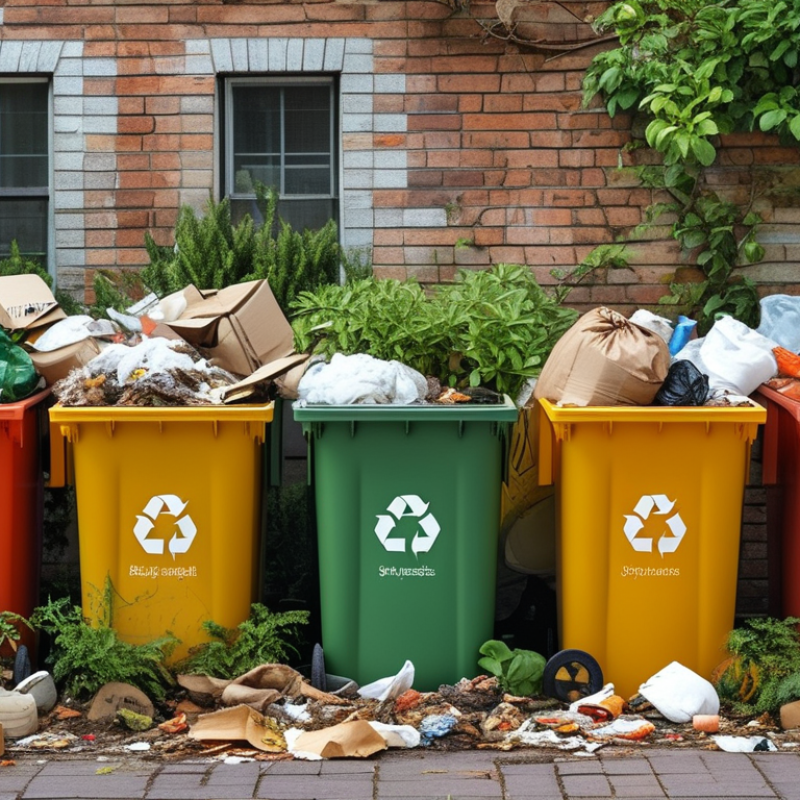
Understanding various disposal methods is vital. From recycling to composting, each approach has its nuances. Knowing what can and cannot be disposed of together is key. Many people still mix recyclables with trash, causing contamination. This mistake often undermines recycling efforts.
Incorporating local regulations is essential too. Different municipalities have specific rules regarding garbage waste disposal. Ignoring these guidelines can result in fines. Engaging local authorities and experts can provide valuable insights. By learning from mistakes, we can create a more sustainable future.
Understanding the Importance of Effective Waste Disposal
Effective waste disposal is crucial for public health and environmental sustainability. A report from the World Bank emphasizes that global waste generation is expected to rise to 3.4 billion tons by 2050, highlighting the urgent need for efficient systems. Ineffective waste management leads to pollution and health hazards. Over 90% of urban waste is improperly disposed of, which poses risks to communities.
Understanding the significance of efficient recycling and composting can transform waste into valuable resources. According to the Environmental Protection Agency (EPA), recycling can reduce greenhouse gas emissions by 1.1 billion metric tons of carbon dioxide equivalent each year. Cities that invest in waste diversion strategies often experience economic benefits. However, many still struggle. New policies and community programs are necessary to overcome these challenges.
Public awareness and engagement are vital for improving waste management practices. A survey revealed that 55% of respondents felt uninformed about local waste disposal regulations. This gap in knowledge can lead to improper disposal habits. Building effective communication strategies is essential. Local governments must prioritize education to foster better waste sorting behaviors. This approach can bridge the knowledge gap and create a cleaner, healthier environment for all.
Common Types of Garbage and Their Disposal Methods
Effective garbage waste disposal is essential for a clean environment. There are various types of garbage, each requiring specific disposal methods. Household waste often contains organic materials. In 2020, the EPA reported that 24% of municipal solid waste was organic. Composting is a beneficial method for disposing of these materials. It reduces landfill use while enriching soil. Yet, only about 8% of organic waste is composted in the U.S. This gap indicates an opportunity for improvement.
Recyclable materials, such as paper and plastics, make up a significant portion of waste. In urban areas, about 35% of total waste is recyclable. However, many items end up in landfills due to contamination. Education on proper recycling practices is crucial. Another waste type is hazardous materials, such as batteries and chemicals. These require specialized disposal to prevent environmental harm. The improper disposal of these items can lead to severe contamination of soil and water.
While regulations exist, compliance remains a challenge. It’s vital for communities to engage in dialogue about effective solutions. The goal is not just to dispose of waste but to do so responsibly. The journey towards effective waste management is ongoing and necessitates community involvement, continuous education, and innovation.
Best Practices for Reducing Household Waste
Reducing household waste is crucial for a sustainable future. According to the EPA, the average American produces around 4.9 pounds of waste daily. This staggering figure highlights the need for effective waste management practices. One method to combat this waste is by embracing composting. Composting organic material can divert up to 30% of the waste from landfills, transforming it into valuable fertilizer for gardens.
Another effective strategy involves recycling. The National Recycling Coalition reports that recycling and composting prevented the release of approximately 186 million metric tons of carbon dioxide equivalent into the air in 2013. However, many households still struggle with proper recycling practices. Common mistakes include contamination of recycling bins, which leads to increased costs and operational inefficiencies for recycling facilities. Regular education on contamination can significantly improve recycling outcomes.
Implementing a waste audit at home can also shed light on specific areas where improvements can be made. Many households generate a significant amount of food waste unknowingly. Recognizing patterns in waste can lead to better shopping habits and meal planning. The journey to reducing waste is imperfect and requires continuous adaptation, but these practices foster a more responsible approach to consumption and disposal.
Innovative Technologies in Waste Management Solutions
Innovative technologies are transforming waste management solutions. Smart bins equipped with sensors can track waste levels. This ensures timely collection and reduces overflow. These bins help in optimizing routes for waste collection trucks. Consequently, it saves time and fuel, leading to lower operational costs.
Another exciting development is the use of AI in waste sorting. Machines can now identify recyclable materials with high accuracy. This reduces contamination in recycling streams and increases efficiency. However, challenges remain. Not all waste can be easily classified. Some items still confuse even advanced systems, leading to potential recycling issues.
Composting technology is evolving as well. Aerobic digestion processes convert organic waste into energy. This can significantly lower landfill use by diverting food waste. Yet, there are still questions about scalability. Many communities struggle with implementation. Reflecting on these innovations reveals both promise and areas needing improvement.
Community Involvement in Waste Disposal Initiatives
Community involvement is crucial for effective waste disposal initiatives. When local residents participate, they foster a sense of ownership. This personal investment can significantly improve recycling rates. For instance, community clean-up events can bring people together, transforming neglected areas. They not only enhance the environment but also build relationships among residents.
Education plays a vital role in these initiatives. Workshops can teach residents about proper waste sorting methods. Visual aids, like posters and demonstrations, can clarify how to recycle correctly. However, not everyone may engage fully. Some may feel overwhelmed or indifferent. It’s essential to address these barriers through ongoing conversations and accessible resources.
Collaboration with local schools can amplify these efforts. Engaging young people in waste management topics can shape their habits for life. School projects centered on environmental stewardship often yield great enthusiasm. Yet, motivation may wane over time if reinforcement is lacking. Regular feedback and recognition can help sustain community action and commitment to better waste disposal practices.