Inquiry
Form loading...

Top Rubber Recycle Solutions in China for Global Buyers?

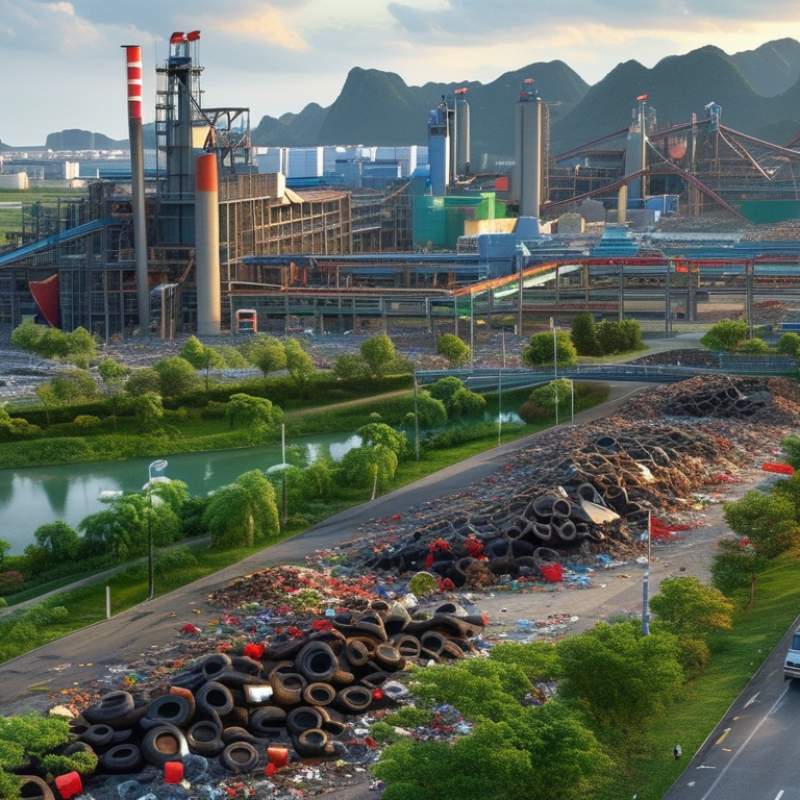
In recent years, the demand for effective Rubber Recycle solutions has surged globally. China has emerged as a leader in this field, attracting buyers from various countries. The nation boasts a vast network of innovative recycling facilities and technologies that transform waste rubber into reusable materials. This not only benefits the environment but also supports sustainable economic growth.

Many global buyers are now looking to China for robust recycling solutions. Companies here provide a range of services, from tire recycling to the production of rubber granules. However, it is crucial for buyers to assess their reliability and expertise. Some providers may not meet international standards, which could lead to disappointing results.

Navigating the landscape of Rubber Recycle options in China can be challenging. Buyers must consider factors such as quality, price, and sustainability practices. It is essential to engage with reputable firms that prioritize environmental integrity. While there are many options, not all are equally effective. Thorough research can help buyers make informed decisions, ultimately promoting a more sustainable future.
Top Rubber Recycle Solutions in China for Global Buyers?

Overview of the Rubber Recycling Industry in China

The rubber recycling industry in China has seen significant growth in recent years. As global demand for sustainable solutions rises, many buyers are turning to China for effective rubber recycling methods. This country's industrial infrastructure supports diverse recycling processes, which are essential for tackling environmental challenges.

Recycling methods include shredding, pyrolysis, and devulcanization. Shredding breaks down rubber into smaller pieces, enabling easier transportation and processing. Pyrolysis heats rubber in an oxygen-free environment, converting it into oil and gas. Devulcanization focuses on restoring rubber’s original properties, making it reusable. Each method has benefits and challenges, with efficiency often dependent on technology used.

There are still areas for improvement. Quality control in the rubber recycling process is sometimes lacking. Not all facilities adhere to strict environmental regulations. This inconsistency raises concerns about the sustainability of these practices. Additionally, the fluctuating demand for recycled rubber can disrupt production, leaving companies grappling with excess material. Finding reliable partners in this complex landscape is crucial for global buyers looking to ensure quality and sustainability in their rubber recycling solutions.

Key Technologies and Processes for Rubber Recycling

In recent years, rubber recycling has gained momentum, especially in China. Various technologies are now enabling the efficient breakdown of rubber waste. The process typically involves mechanical grinding, thermal treatment, and chemical methods. Each method has its advantages and limitations.

Mechanical grinding is often the first step. It reduces the size of rubber materials into smaller particles. However, this process can be energy-intensive. Thermal treatment follows, using heat to break down rubber further. While effective, it can emit harmful gases if not properly managed.

Chemical recycling is an innovative approach. It uses solvents to dissolve rubber, allowing for the recovery of valuable materials. This method holds promise but is still under development in many areas. Ensuring effective purification and safety remains a challenge.

Tip: When considering rubber recycling options, evaluate the energy consumption and environmental impact of each method. Look for companies prioritizing sustainability.

Despite the advancements, the industry faces hurdles. Not all facilities can handle large volumes of rubber waste efficiently. Many operate below capacity, limiting their impact on the environment.

Tip: Collaborate with local waste management services to identify opportunities for improvement. Sharing knowledge can enhance recycling efforts.

Major Players in the Chinese Rubber Recycling Market

The Chinese rubber recycling market is evolving rapidly, driven by environmental concerns and economic needs. As of 2022, China's rubber recycling capacity reached approximately 3.5 million tons annually. This surge reflects a growing commitment to sustainability and circular economy practices. Major players in the market include both state-owned enterprises and private firms, contributing to a competitive landscape.

Recent studies indicate that recycled rubber can replace up to 15% of virgin rubber in manufacturing processes. This shift not only helps reduce waste but also lowers production costs. However, challenges remain. The technology for efficient recycling is still developing. Inadequate collection systems hinder the availability of quality recycled materials. Additionally, some companies struggle to ensure consistent quality in their outputs, impacting market trust.

Investing in advanced recycling techniques could be a solution. Many industry experts highlight the need for better infrastructure. Improved logistics and processing technologies can optimize supply chains, making recycling more efficient. With global demand for sustainable materials increasing, China's efforts in this sector are critical. The potential for growth is significant, yet the market faces hurdles that require innovative approaches and stronger collaboration among stakeholders.

Sustainable Practices and Innovations in Rubber Recycling

In recent years, rubber recycling has gained attention due to sustainability challenges. The growing global demand for eco-friendly practices pushes countries like China to innovate. According to industry reports, around 30% of global rubber waste ends up in landfills, highlighting a pressing need for effective recycling solutions.

Chinese companies are embracing new technologies. For instance, cryogenic grinding and devulcanization methods are on the rise. These innovations help recover valuable materials from used tires and other rubber products. A study by the China Rubber Industry Association indicates that the rubber recycling market could reach $10 billion by 2025, showcasing potential growth.

However, challenges remain. Many recycling facilities lack advanced technology and resources. Also, the inconsistency in material quality complicates processing. Surveillance of practices is required to ensure standards. Despite these hurdles, China's commitment to sustainability continues to drive progress in rubber recycling solutions.

Rubber Recycling Methods and Their Effectiveness in China

This chart illustrates the effectiveness of various rubber recycling methods employed in China, showcasing their respective recycling rates and sustainability impact.

Challenges and Opportunities for Global Buyers in China’s Market

China’s rubber recycling market presents both challenges and opportunities for global buyers. The country has rapidly expanded its recycling capabilities. Advanced technologies have emerged, leading to more efficient processing methods. Buyers can find innovative solutions in various regions, each offering unique advantages.

However, navigating this market requires careful consideration. Language barriers may hinder effective communication. Additionally, fluctuating regulations complicate business operations. Understanding local customs and practices is essential for successful partnerships. Buyers must also be aware of quality standards, which can vary significantly.

Despite these obstacles, opportunity persists. The growing demand for sustainable materials drives investment in this sector. Collaborating with local experts can provide valuable insights. Building strong relationships forms the backbone of successful transactions. While challenges exist, the potential for growth in rubber recycling remains significant.