Inquiry
Form loading...

Top Disposal Rubbish Solutions for Global Buyers?

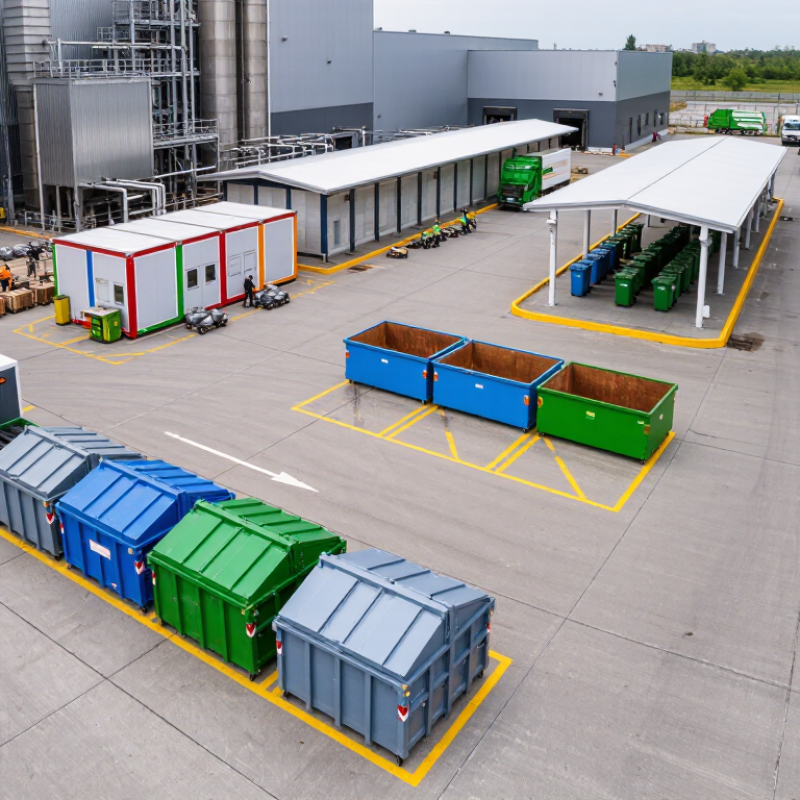
Choosing the right Disposal Rubbish solution is not just a matter of buying a larger bin. Global buyers must consider waste volume, material type, collection frequency, site layout, and local service access. A busy food-processing facility may need sealed containers and frequent collection, while a construction site may benefit from clearly marked skips and scheduled pickups. Small details matter. A narrow loading bay can make an otherwise suitable container impractical.

This guide introduces practical options, including sorting stations, wheelie bins, skips, compactors, and managed collection services. It explains what buyers should compare: capacity, durability, cleaning needs, transport requirements, maintenance support, and total operating cost. Product claims deserve careful checking. Ask suppliers for specifications, service terms, and references relevant to your industry and region. Waste-handling requirements differ between locations, so buyers should confirm applicable local rules before choosing equipment or arranging collection. That sounds simple, but it rarely is.

No single solution fits every site. A compactor can reduce collection trips, yet it may need extra space, power, and operator training. A basic sorting station costs less, but only works well when labels are clear and staff use it consistently. Real-world performance can be imperfect. Packaging changes, seasonal demand rises, and bins sometimes fill sooner than expected. The sections ahead offer a grounded framework for comparing options, asking better supplier questions, and selecting a system that can adapt as daily waste needs change.
Top Disposal Rubbish Solutions for Global Buyers?

Understanding Disposal Rubbish and Its Main Categories

Understanding Disposal Rubbish and Its Main Categories

Disposal rubbish includes materials that households, offices, factories, and construction sites no longer need. Its category determines the safest and most efficient treatment. General waste may include food packaging, paper, and broken household items. Recyclable rubbish includes clean metal, cardboard, glass, and selected plastics. Organic waste contains food scraps, leaves, and other biodegradable materials. Construction waste often includes timber, concrete, tiles, and insulation.

Hazardous waste needs stricter control. Examples include solvents, batteries, fluorescent lamps, and certain cleaning chemicals. These materials should never be mixed with ordinary rubbish. Electronic waste forms another growing category, with cables, appliances, and circuit boards requiring careful recovery. In practical waste assessments, contamination is a common problem. A damp cardboard box can reduce the value of an entire collection. Labels also fail when workers use unclear local terms.

Tips: Separate rubbish at the source. Use sealed containers for liquids. Keep batteries and electronic items dry. Record the material type, estimated weight, and collection date. Buyers should request clear sorting rules from disposal partners. Photos of filled containers can improve communication across countries. Local requirements may differ, so verify accepted categories before shipment or collection. A simple checklist helps, although it may need regular revision.
Comparing Common Rubbish Disposal Solutions

Global buyers comparing rubbish disposal solutions should start with waste composition, volume, and local infrastructure. A mixed household stream needs a different route from clean cardboard or food scraps. Landfill remains simple and widely available, but it consumes land and may produce methane. Modern sites require liners, leachate collection, gas controls, and careful monitoring. Those controls can vary sharply between regions. This matters. Experience from facility audits shows that transport distance often changes the real cost.

Material recovery facilities sort paper, metals, plastics, and glass through screens, magnets, air systems, and manual checks. Recycling works best when incoming materials are clean and separated. Wet packaging can lower recovery rates. Composting suits food and garden waste when moisture, temperature, and contamination are controlled. A small battery in organic waste can damage equipment or create a fire risk. Not every region has stable buyers for recovered materials. That gap can turn a promising plan into storage.

Thermal treatment can reduce volume and generate energy, but it needs strict emissions control and skilled operators. It is less suitable for wet waste with low calorific value. Transfer stations may improve logistics by consolidating loads before longer transport. However, extra handling can increase cost and emissions. Buyers should request recent operating data, residue plans, permits, and emergency procedures. I would not trust a low price alone. The cheapest route may age poorly. A practical tender compares disposal fees, transport, contamination charges, reporting quality, and long-term obligations.

Top Disposal Rubbish Solutions for Global Buyers

The chart compares the typical percentage of municipal waste that can be diverted from landfill through common disposal solutions. Recycling and composting generally provide the highest resource-recovery potential, while energy recovery reduces landfill use but recovers fewer materials.

Values show the midpoint of commonly reported operating ranges: recycling/material recovery 60–90%, composting or anaerobic digestion 50–80%, waste-to-energy 10–25%, engineered landfill with gas capture 0–10%, and open dumping approximately 0%. Actual performance depends on waste composition, collection systems, plant technology, and local regulation. Reference basis: international waste-management guidance from the United Nations Environment Programme and World Bank.

Evaluating Disposal Options for Different Global Markets

Disposal choices must fit local collection systems, climate, and waste composition. A coastal city with wet food scraps may gain more from source separation and composting than from long-distance hauling. In a dry industrial region, sorting facilities may recover more clean metal and cardboard. Local realities matter. The World Bank’s What a Waste 2.0 report estimated 2.01 billion tonnes of municipal solid waste worldwide in 2016, with at least 33% not managed in an environmentally safe way. It projects annual waste could reach 3.40 billion tonnes by 2050. These figures make reliable collection and controlled disposal essential, but they do not identify one solution for every market.

Material quality also changes the calculation. The OECD’s Global Plastics Outlook reports that the world generated 353 million tonnes of plastic waste in 2019; only 9% was ultimately recycled. Where sorting is inconsistent, mixed-material recycling can be costly and yield contaminated bales. Buyers should compare local recovery rates, transport distances, landfill capacity, and operating skills before selecting equipment. Check the numbers on site.

Landfilling may remain practical where infrastructure is limited, while composting works best when food and yard waste are separated early. Thermal treatment can reduce waste volume, but requires robust emissions controls and steady maintenance. A system that performs well in one market may underperform elsewhere. Even good planning misses things: seasonal waste changes, and spare parts may arrive late. Pilot measurements and routine audits can reveal these gaps before a large investment locks them in.

Choosing a Suitable Disposal Rubbish Solution

Choosing a Suitable Disposal Rubbish Solution

A suitable disposal system starts with the rubbish itself. Weigh and sort a representative sample before choosing equipment or collection frequency. Food scraps, wet packaging, broken furniture, and clean cardboard need different handling. The United Nations Environment Programme’s Global Waste Management Outlook 2024 estimates that municipal solid waste reached 2.1 billion tonnes in 2023, and could rise to 3.8 billion tonnes by 2050. Small errors in waste estimates can become costly.

Check local collection capacity, transport distance, and available treatment facilities. A compactor may reduce transport volume for dry, bulky waste, but it is not a good fit for every stream. Separate organics where reliable composting or anaerobic digestion is accessible. Keep recoverable materials clean and dry; a leaking food bin can contaminate paper and cardboard. Practical details matter. Ask operators how often bins overflow, and inspect loading areas after rain.

Compare the full operating costs, not just the purchase price: labor, servicing, contamination, and haulage all count. The World Bank’s What a Waste 2.0 report estimated that at least 33 percent of global waste was not managed in an environmentally safe manner in 2016. That figure is dated, but it highlights a real planning risk. Pilot the selected setup for several weeks, record rejected loads, and adjust collection schedules. A tidy plan can still miss what workers see on site.

Top Disposal Rubbish Solutions for Global Buyers? - Choosing a Suitable Disposal Rubbish Solution
Solution Best Suited For Typical Setup or Capacity Key Benefits Important Buying Considerations
Front-load commercial dumpsters Retail sites, offices, restaurants, and other locations with regular, moderate volumes of general waste. Common container sizes are approximately 2–8 cubic yards; collection frequency is set by the service provider and local needs. Scheduled collection, a compact footprint, and straightforward day-to-day use. Check vehicle access, enclosure dimensions, permitted materials, collection frequency, and overfill charges.
Roll-off containers Construction and renovation projects, site cleanouts, and temporary high-volume waste needs. Containers commonly range from about 10–40 cubic yards, depending on the market and container type. Handles bulky loads and can be delivered to and removed from a project site as needed. Confirm placement space, ground conditions, loading rules, weight limits, permits, and prohibited materials.
Stationary waste compactors Facilities that produce large quantities of dry, non-hazardous waste, such as distribution centers and large retailers. A fixed compactor feeds a removable container; equipment and container sizes vary by waste stream and site. Reduces waste volume and can reduce the number of collection trips where service arrangements allow. Assess power supply, installation space, maintenance support, operator training, and compatibility with the hauler’s equipment.
Balers for recyclable materials Businesses with consistent volumes of cardboard, paper, or other accepted recyclable materials. Vertical and horizontal models are available; bale size and output depend on the machine, material, and operating conditions. Creates denser, easier-to-store material for recycling collection and can improve handling efficiency. Check which materials local recyclers accept, bale specifications, electrical requirements, safety features, and service availability.
Separate food-waste collection Food-service businesses, food retailers, and institutions where organic waste is accepted for composting or anaerobic digestion. Dedicated, lidded bins are collected on a schedule suited to the site and the receiving facility. Keeps food scraps separate from general waste and may support local organics-recovery programs. Verify local acceptance rules, contamination limits, storage requirements, collection frequency, and the destination facility.
Licensed hazardous-waste collection Sites generating regulated waste such as certain solvents, chemicals, batteries, or contaminated materials. Packaging, labeling, storage, and collection arrangements depend on the waste classification and applicable regulations. Supports controlled handling, documentation, and treatment or disposal through authorized channels. Identify and classify each waste stream; check applicable laws, permits, transport rules, and required records before procurement.
Transfer-station or drop-off services Buyers needing a nearby facility for permitted loads, especially where direct collection is unavailable or unsuitable. Accepted loads, operating hours, vehicle rules, and fees are set by the facility and local authority. Can provide a practical alternative for occasional or self-delivered waste loads. Confirm accepted materials, service area, access requirements, weighing procedures, and local disposal fees.
Selection note: Container sizes, accepted materials, service availability, prices, and regulatory requirements vary by country, municipality, provider, and waste type. Confirm local rules and site requirements before purchasing or signing a service agreement.

Implementing Safe and Sustainable Disposal Practices

Safe disposal starts before a truck arrives. Buyers should ask suppliers how waste is sorted, stored, and documented at each site. Clear labels and covered containers reduce spills and prevent materials from mixing. Staff need practical training, not just a policy sheet. A short walk-through can reveal blocked exits, leaking bins, or unclear instructions. Small details matter.

Sustainable practices depend on what happens after collection. Request records showing where materials go, and check whether reuse or recycling is genuinely available. For mixed waste, ask how the provider handles contamination and reports rejected loads. Requirements differ by location, so confirm local rules with qualified professionals before setting procedures. Keep copies of permits and transfer records where applicable. These checks take time. They can also expose gaps that a polished sales presentation may miss. No system is perfect; routes, facilities, and material quality can change. Review performance regularly, and revise sorting guidance when staff keep making the same mistakes.