Top 10 Effective Methods for Disposal Rubbish Efficiently?
Effective disposal of rubbish is a growing concern worldwide. According to the World Bank, urban solid waste is expected to increase to 3.4 billion tons by 2050. This alarming statistic highlights the urgent need for efficient waste management strategies.
Disposal rubbish is often mishandled, leading to environmental degradation and health issues. A report from the OECD indicates that improper waste disposal can result in severe consequences, such as soil and water contamination. Households and businesses must adopt effective methods to mitigate these risks.
Many traditional disposal methods are no longer viable. Recycling rates remain low, with only 22% of global waste being recycled, according to the latest UN data. Communities must innovate to improve their disposal practices and ensure a sustainable future. Adopting effective methods for rubbish disposal can minimize environmental impact and foster cleaner living environments.
Understanding the Importance of Efficient Rubbish Disposal
Efficient rubbish disposal is critical for a sustainable environment. People often overlook the impact of their waste. Not managing rubbish properly can lead to pollution and health hazards. When waste is discarded irresponsibly, it contaminates our soil and waterways. This is a growing concern in urban areas where space is limited. It's crucial to realize that our choices have long-term effects.
Improper disposal also affects wildlife. Animals may ingest plastic or chemicals, which can harm entire ecosystems. Moreover, communities suffer from unpleasant odors and visual pollution. Many people feel overwhelmed when faced with rubbish. However, solutions exist. Recycling, composting, and proper waste segregation are steps everyone can take. Understanding these methods makes a big difference.
Ultimately, learning about effective disposal methods empowers us. Individuals can contribute positively to their surroundings. Engaging in local initiatives fosters awareness and responsibility within communities. Our environment deserves better, and change begins with each of us.
Different Types of Rubbish and Their Disposal Methods
When considering rubbish disposal, different types of waste require distinct methods. Household waste includes common items like food scraps and packaging. These can often be composted or recycled. Composting food waste reduces landfill mass and creates valuable soil. However, many neglect this simple process.
Next, construction debris signifies another waste category. This includes wood, concrete, and metal. Proper disposal often requires special containers. Failing to follow designated disposal methods can lead to hefty fines. It's a crucial area where awareness can make a significant difference.
Electronic waste, or e-waste, presents unique challenges. Outdated gadgets are hazardous but often overlooked. Components like batteries can leach toxins if disposed of improperly. Some organizations specialize in e-waste recycling. Still, many individuals simply throw away old electronics, unaware of the risk. Public education is key. The gap between knowledge and action remains wide. Engaging communities can bridge this divide.
Top 10 Effective Methods for Disposal Rubbish Efficiently
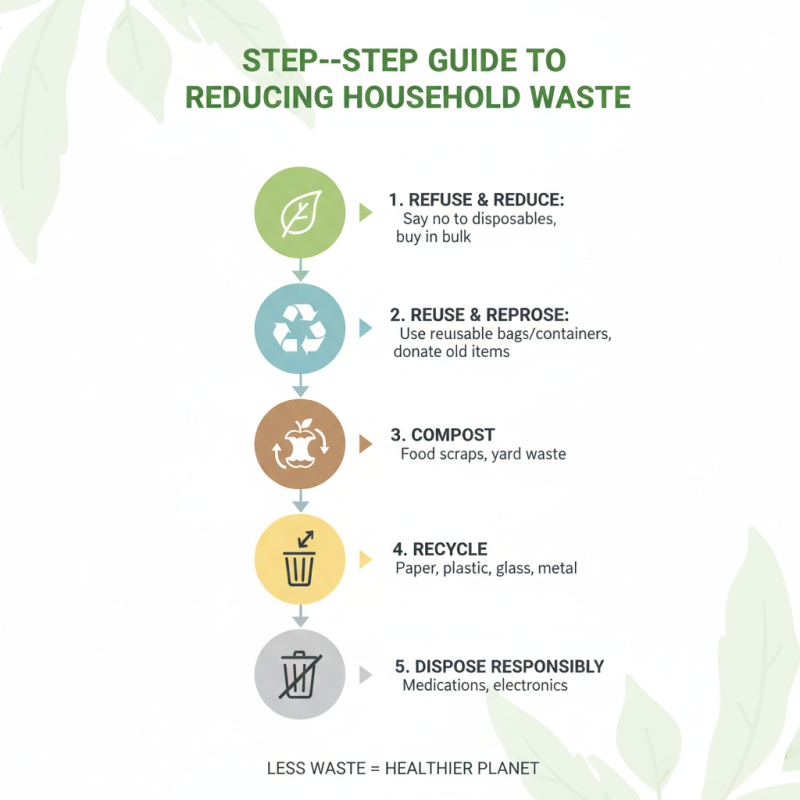
Step-by-Step Guide to Reducing Household Waste
Reducing household waste can significantly benefit our environment. It requires commitment and practical methods. Here’s a step-by-step guide to help streamline your waste disposal.
Start with the basics of sorting. Separate recyclables from general waste. This not only aids in recycling but also reduces the overall volume. For effective sorting, use clearly labeled bins. It makes the process easier and encourages everyone in the household to participate.
Next, consider composting. This method is fantastic for organic waste. Scraps from fruits, vegetables, and coffee grounds can enrich your garden. If you lack outdoor space, a small compost bin indoors can work. Just ensure it is properly aerated to prevent odors.
Reflect on purchasing habits. Opt for products with minimal packaging. Choose bulk items or reusable containers. This change often requires planning but can lead to significant waste reduction. Remember, even minor adjustments in our buying patterns can create a ripple effect toward sustainability. Stay committed to each step, and gradually, your household waste will diminish.
How to Properly Recycle Common Materials
Recycling common materials is essential in reducing waste. Simple actions can lead to significant changes. For instance, paper should be kept clean and dry. Dirty paper can’t be recycled. Flatten cardboard boxes before recycling. This saves space in bins.
When it comes to plastics, check for recycling symbols. Not all plastics are recyclable. Rinse containers to avoid contamination. Even small residues can spoil a whole batch. Glass is highly recyclable but must be sorted by color. Clear, green, and brown glass need separate bins.
Tips for effective recycling include keeping a separate bin for recyclables. This helps in sorting later. Educate your family about what can be recycled. Many people find it confusing, leading to contamination. Reflect on your habits. Are you truly recycling properly? Small changes can have a lasting impact.
Innovative Technologies in Rubbish Disposal and Recycling
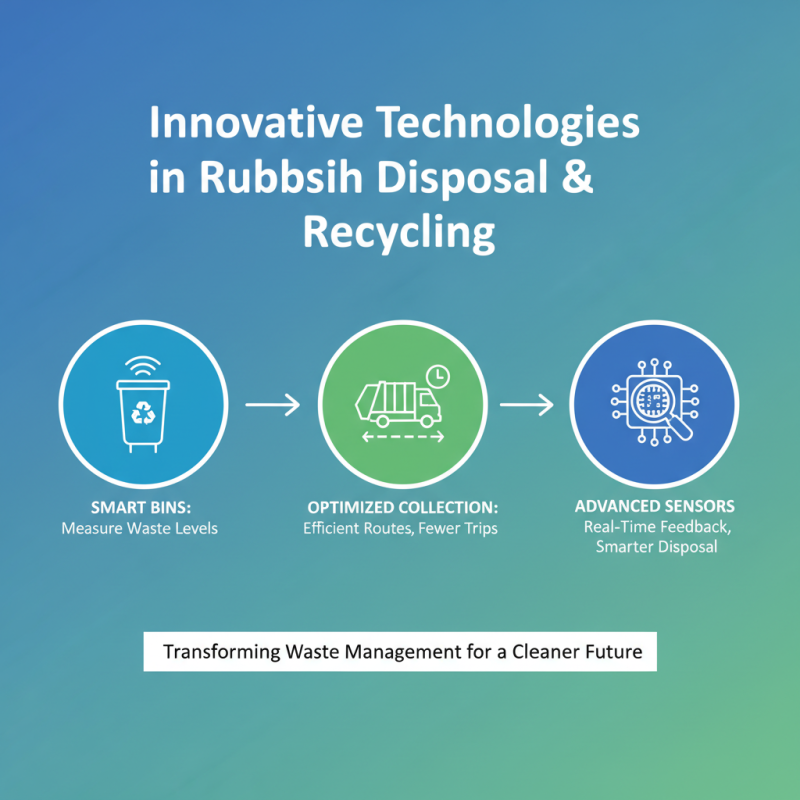
Innovative technologies are transforming rubbish disposal and recycling. These advancements lead to more efficient waste management. For instance, smart bins can now measure waste levels. This helps in optimizing collection schedules, reducing unnecessary trips. Advanced sensors give real-time feedback, making waste disposal smarter.
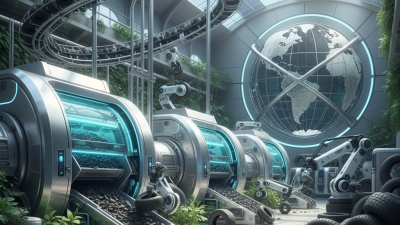
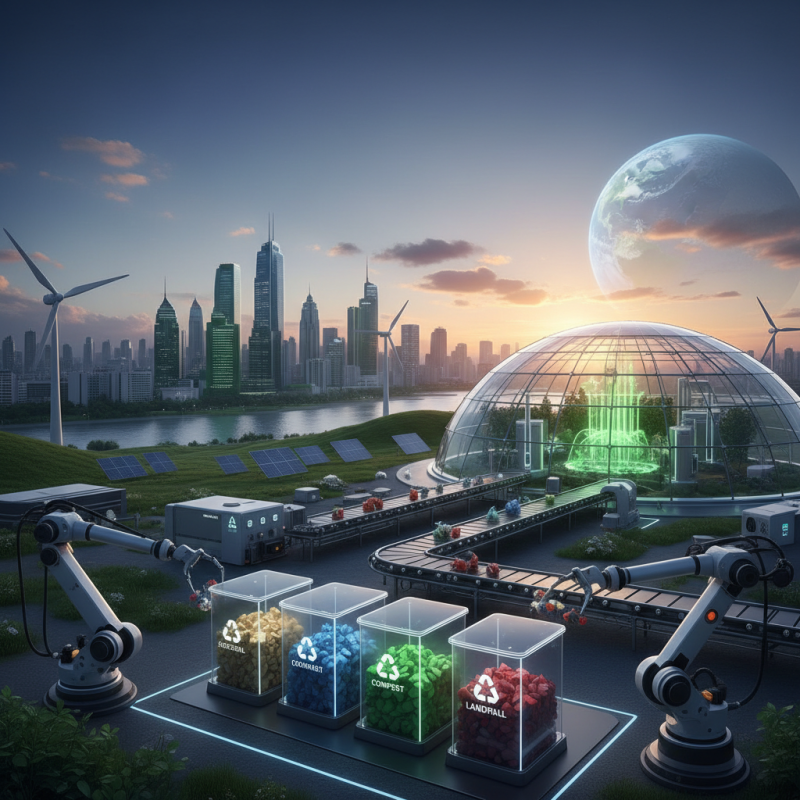
Another exciting development is the use of robotics in recycling. Robots can sort materials faster and more accurately than humans. They identify different materials, like plastics and metals, using AI. This increases recycling rates significantly. However, not all facilities can afford this technology, creating disparities in waste management.
Yet, challenges remain. Many people are unaware of these innovations. Education is crucial for maximizing impact. Communities need to embrace new methods while still evaluating their effectiveness. Continuous improvement is essential in this field. Embracing technology is only successful if we adapt to changing environments and behaviors.