Why Choose Waste To Energy Incinerator for Sustainable Waste Management?
The growing global waste crisis demands innovative solutions. Reports estimate that landfill sites are nearing capacity, with projections indicating that by 2030, global waste generation will increase by 70%. This alarming trend calls for advanced waste management techniques. One prominent solution is the Waste To Energy Incinerator.
Using this technology can significantly reduce the volume of waste. Studies show that incineration can decrease waste by up to 90%. Moreover, energy recovery from this process can provide substantial electricity. According to the International Energy Agency, waste-to-energy plants can generate about 0.5 to 1 megawatt of electricity per ton of waste treated.
Despite its benefits, some challenges remain. Concerns about emissions and air quality must be addressed. Ongoing advancements aim to make Waste To Energy Incinerators more efficient and environmentally friendly. The transition towards this waste management strategy is crucial for a sustainable future. As we evaluate these technologies, a balanced approach is essential to maximize benefits while mitigating risks.
Advantages of Waste to Energy Incinerators in Waste Management
Waste-to-energy incinerators are gaining traction as a sustainable solution for managing waste. These systems transform waste into energy, reducing landfill dependency. They incinerate waste, generating electricity and heat. This process not only disposes of waste but also produces a valuable resource.
One key advantage of waste-to-energy incinerators is their ability to minimize harmful emissions. With advanced technology, modern incinerators capture toxins before they are released into the atmosphere. This ensures cleaner air and protects the environment. However, continuous monitoring is essential to maintain air quality standards.
Tips: Regular maintenance checks can improve efficiency. Investing in upgrades for older systems is also worthwhile. Engaging with local communities about the benefits can enhance public acceptance. Additionally, public education about the technology is crucial. It helps to address misconceptions and fosters community support for waste-to-energy initiatives.
Incorporating waste-to-energy incinerators can significantly benefit urban areas struggling with waste. They offer a dual purpose: disposing of waste and generating energy. However, transparency about their operation is vital. It ensures that concerns about potential environmental impacts are addressed head-on.
Advantages of Waste to Energy Incinerators in Waste Management
Environmental Benefits of Incineration Over Traditional Landfills
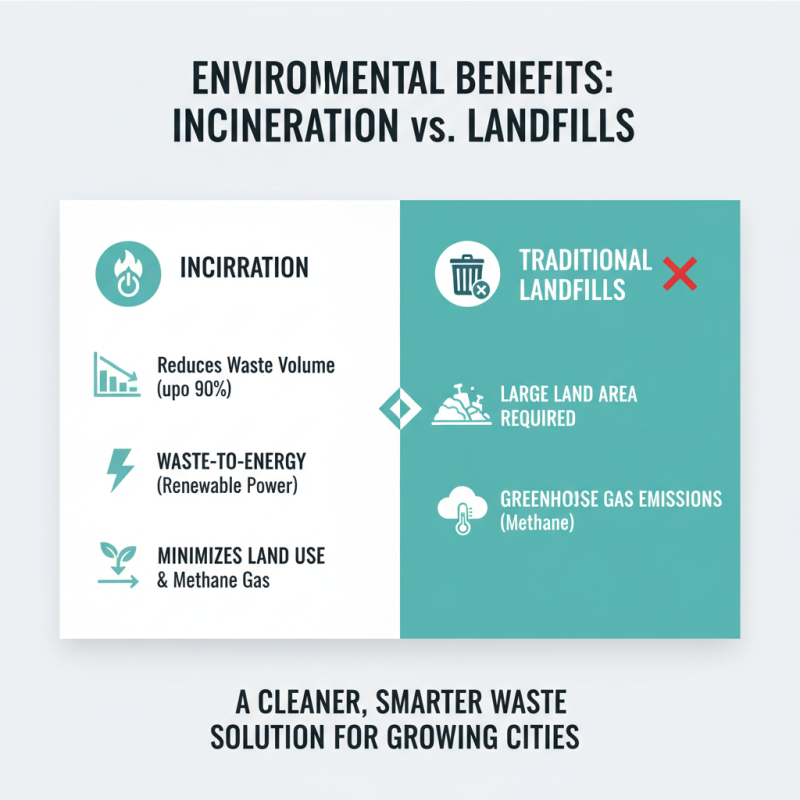
Incineration offers a compelling alternative to traditional landfills in waste management. It effectively reduces the volume of waste by up to 90%. This process converts waste into energy, minimizing land use and environmental impact. The incineration process also generates electricity, providing a renewable energy source. As urban areas grow, the need for efficient waste disposal becomes critical.
Moreover, burning waste reduces harmful methane emissions. Landfills are known for leaking methane, a potent greenhouse gas. In contrast, modern incinerators include advanced air pollution control technologies. These systems capture harmful substances before they enter the atmosphere. This leads to improved air quality in surrounding communities.
However, not all incineration facilities operate at the same standard. Some plants still struggle with emissions, raising public concern. It’s essential to continuously monitor and improve technologies to ensure compliance with environmental regulations. As society shifts towards sustainable practices, incineration must evolve, becoming cleaner and more efficient. This reflection encourages ongoing dialogue about waste management's best practices.
Economic Considerations of Waste to Energy Technologies
Economic considerations play a significant role in the adoption of waste-to-energy (WtE) technologies. These systems not only address waste disposal but also generate energy efficiently. An effective WtE incinerator can reduce landfill use significantly, leading to municipal savings. However, the initial investment in technology can be high. Many municipalities hesitate, weighing costs against benefits.
The operational costs associated with WtE systems vary. Maintenance and regulatory compliance can eat into profitability. Furthermore, energy prices fluctuate, impacting the financial viability of energy recovery. Communities must consider long-term benefits. They must also reflect on the environmental impacts of emissions, which sometimes raise public concern.
Investing in WtE can lead to job creation in some regions. This creates a ripple effect in local economies. However, the effectiveness of these programs depends on public education. Residents need to understand the importance of sustainable waste practices. Transparency in operations can enhance trust. This is essential for successful implementation. Balancing economic viability with environmental health remains a challenge.
Technological Innovations in Waste to Energy Incineration
The waste-to-energy incineration process utilizes advanced technology for sustainable waste management. Recent reports from the International Energy Agency indicate that about 1.3 billion tons of waste are generated annually. Much of this waste can be transformed into energy through incineration, significantly reducing landfill usage.
Innovations in waste-to-energy technology enhance efficiency and reduce emissions. For instance, modern incinerators incorporate gas cleaning systems. These systems capture harmful pollutants before they enter the atmosphere, adhering to stricter regulations. The latest data shows that emissions from these facilities can be reduced by over 90%. However, not all facilities achieve this level of performance, leading to ongoing debates about their environmental impact.
Moreover, the integration of energy recovery systems has improved the energy output from waste. Facilities can convert around 70% of the energy from waste into electricity. Yet, this technology is still evolving. Balancing energy recovery with environmental safety remains a challenge. Stakeholders must work together to ensure these systems are continually improved and monitored.
Regulatory and Policy Framework Supporting Incineration Practices
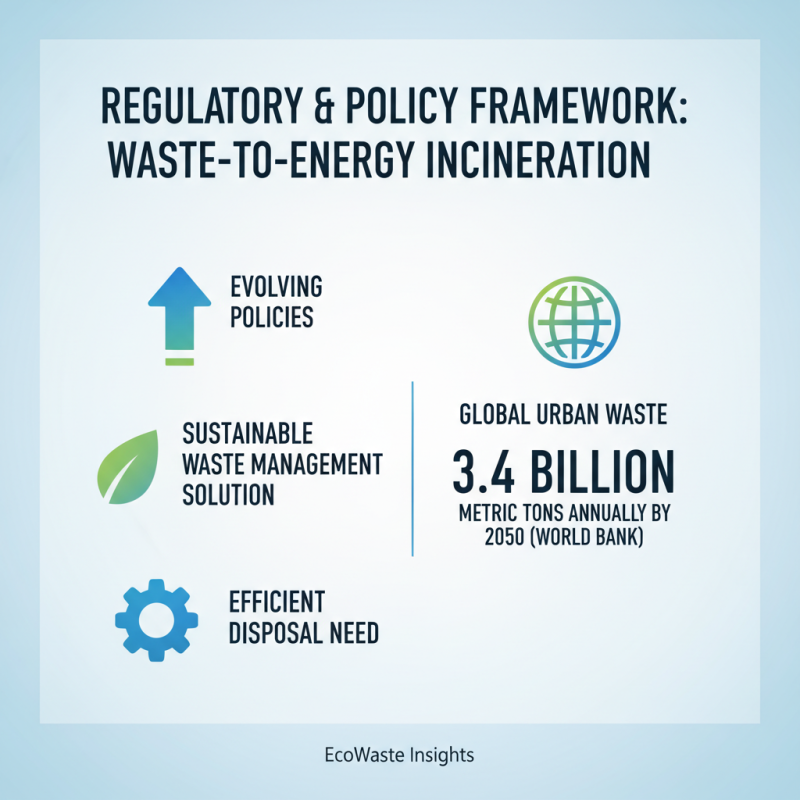
The regulatory and policy framework surrounding waste-to-energy incineration has evolved significantly. Policies increasingly support waste-to-energy solutions as a sustainable waste management method. According to the World Bank, global urban waste generation is expected to reach 3.4 billion metric tons annually by 2050, emphasizing the pressing need for efficient waste disposal options.
Governments are implementing incentives for waste-to-energy facilities, recognizing their potential to reduce landfill waste. The Environmental Protection Agency reports that incineration can divert up to 90% of waste from landfills. This policy shift is vital as traditional landfilling presents significant environmental issues, such as greenhouse gas emissions and land degradation.
Tips: When considering incineration, examine local regulations thoroughly. Familiarize yourself with permitted technologies and operational standards. Engage with community stakeholders for a transparent approach.
Regulatory frameworks can vary widely. In some regions, strict emission controls are enforced to ensure air quality. Despite these measures, public concerns about air pollution remain. Addressing these issues requires continuous dialogue and robust monitoring to ensure compliance and community trust.