10 Best Methods for Turning Plastic Into Fuel
Turning Plastic Into Fuel has gained attention as a promising solution to the plastic waste crisis. Every year, millions of tons of plastic waste end up in landfills and oceans, posing severe environmental challenges. Various methods exist to transform discarded plastic into valuable fuel sources, contributing to a more sustainable future.
Incorporating technology and innovation, these techniques offer practical approaches to recycling. However, it's essential to approach this subject with caution. Not all methods are equally effective or environmentally friendly. Some processes require significant energy or produce harmful byproducts. Therefore, any enthusiasm for Turning Plastic Into Fuel should be tempered with critical analysis and ongoing adaptation.
Examining ten of the best methods sheds light on the potential and limitations of this transformative approach. As we strive for solutions, let’s embrace both the possibilities and the challenges that come with this field. Balancing hope with realism will ensure we make informed decisions for a better planet.
Overview of Plastic Waste and Its Environmental Impact
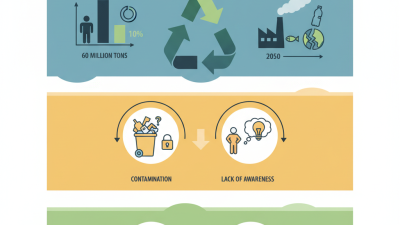
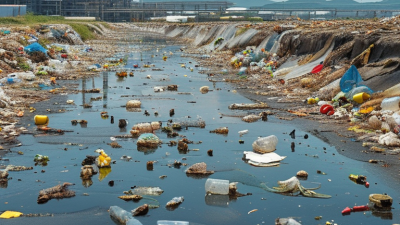
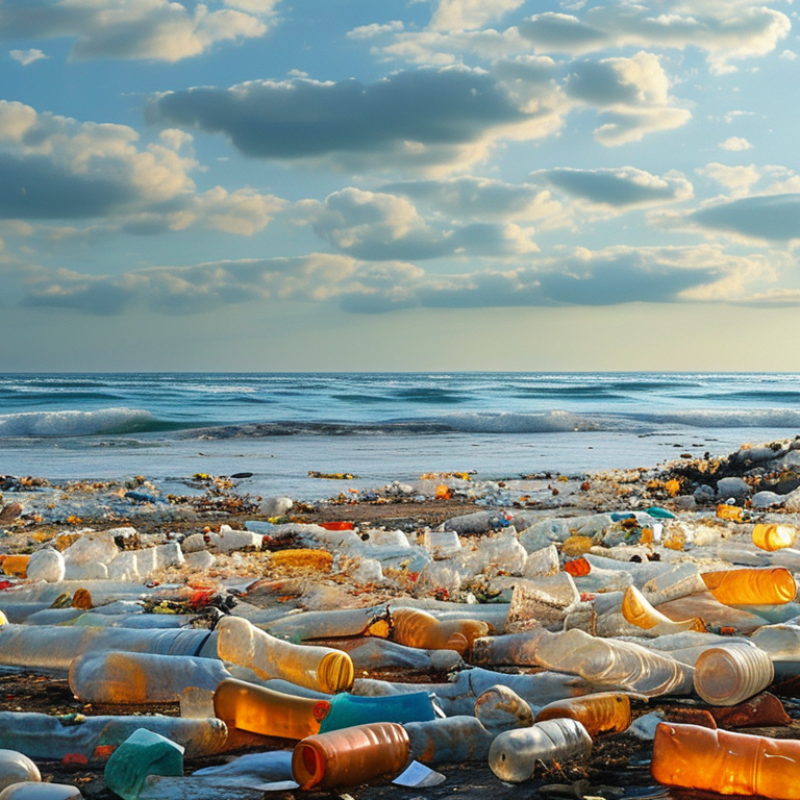
Plastic waste is a growing concern, impacting ecosystems and human health. Around 300 million tons of plastic are produced each year, much of which ends up in landfills or oceans. This accumulation disrupts marine life and introduces harmful chemicals into our environment. It can take hundreds of years for plastic to decompose, leading to severe long-term consequences.
The burning of plastic releases toxic pollutants, affecting air quality and people's health. Many communities struggle with the effects of incineration, facing respiratory problems and other health issues. While recycling rates are low, innovative methods to convert plastic into fuel are emerging. However, these solutions require careful consideration of their environmental footprint.
Addressing plastic waste goes beyond just finding solutions. Society must rethink consumption habits and prioritize sustainable practices. Awareness and education around plastic's impacts are essential. Open discussions about the challenges in managing plastic waste can lead to more effective strategies and cooperation between communities, industries, and governments.
10 Best Methods for Turning Plastic Into Fuel
| Method |
Process Type |
Feedstock Type |
Output Yield (%) |
Environmental Impact |
| Pyrolysis |
Thermal Decomposition |
Mixed Plastics |
70-90% |
Low emissions, can reduce landfill waste |
| Gasification |
High-Temperature Conversion |
Sorted Plastics |
60-80% |
Reduces greenhouse gases, efficiency dependent on feedstock |
| Hydrothermal Liquefaction |
Chemical Process |
Wet Organic Waste |
50-85% |
Utilizes waste water, can produce pollutants if not managed |
| Depolymerization |
Chemical Recycling |
Polyester Plastics |
80-95% |
Highly efficient, minimal waste production |
| Fermentation |
Biological Process |
Sugar-Based Plastics |
30-50% |
Low carbon footprint, but feedstock limited |
| Enzymatic Hydrolysis |
Biochemical Process |
PET Plastics |
70-90% |
Eco-friendly, requires specific conditions |
| Catalytic Cracking |
Thermal Process |
Polyolefins |
70-85% |
High efficiency, can produce fuels |
| Melt Processing |
Thermal Treatment |
Single-Stream Plastics |
40-60% |
Simple process, can be less efficient |
| Synthesis Gas Production |
Gasification Technology |
Mixed Plastics |
60-80% |
Can be converted to various fuels, versatile |
| Thermochemical Conversion |
Hybrid Process |
Various Plastics |
50-75% |
Offers efficient energy recovery, adaptable |
Understanding Different Types of Plastic Suitable for Fuel Conversion
When considering plastic for fuel conversion, it’s essential to identify which types are most suitable. Not all plastics can be effectively transformed into fuel. Generally, thermoplastics are preferred. They soften when heated and can be reshaped. This makes them easier to break down during the conversion process. Polyethylene (PE) and polypropylene (PP) are common examples. Both are widely used and have a high energy content.
However, not every plastic type is suitable. For instance, polyvinyl chloride (PVC) contains chlorine, which can release harmful compounds during heating. This poses environmental risks during conversion. Additionally, contaminants in plastics can lead to inefficiencies. The presence of food residues or different materials can complicate processing. Ideally, clean, single-type plastics yield better results.
Implementing these methods requires careful consideration of the plastics involved. Understanding the chemical properties of each plastic type helps in predicting fuel yield and quality. While promising, the technology still faces challenges, and ongoing research is necessary. The balance between effective fuel production and environmental safety remains an area for further examination.
Key Technologies for Converting Plastic Waste into Fuel
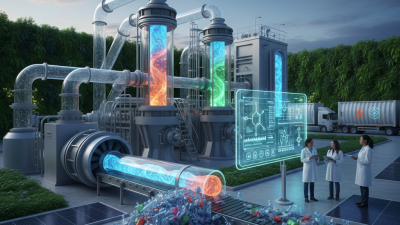
Converting plastic waste into fuel is a growing area of interest. Key technologies are advancing rapidly. For instance, pyrolysis has gained attention for its efficacy. This thermal decomposition process involves heating plastic in an oxygen-free environment, turning it into oil. Reports indicate that pyrolysis can convert 1 ton of plastic into around 800 liters of synthetic fuel. This transformation significantly reduces landfill waste.
Another method gaining traction is gasification. This process converts carbon-rich materials into syngas, usable for producing energy or fuels. The World Economic Forum estimated that 25 million tons of plastic can be converted to energy each year via gasification. However, challenges remain. The technologies require significant energy input and can produce harmful byproducts. Refining methods to minimize these impacts is essential.
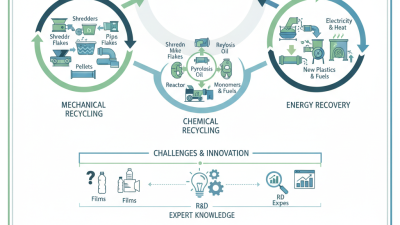
Chemical recycling is another noteworthy technology. Unlike mechanical recycling, it breaks down plastics into basic chemicals. This approach can handle mixed and contaminated plastics, addressing a common hurdle in recycling. Studies suggest that chemical recycling could potentially recycle up to 50% of plastic waste if optimally deployed. The efficacy of these methods is still under review, underscoring the need for ongoing research and development in this critical sector.
10 Best Methods for Turning Plastic Into Fuel
This chart illustrates the efficiency of various methods used to convert plastic waste into fuel. The methods with higher efficiencies are indicated by taller bars.
Step-by-Step Processes for Pyrolysis and Gasification of Plastics
The process of turning plastic into fuel revolves around two main methods: pyrolysis and gasification.
Pyrolysis involves heating plastic in an oxygen-free environment. This temperature usually ranges from 350°C to 700°C. During this heating, the plastic breaks down into smaller molecules. Oils and gases are produced, which can be refined into usable fuels.
Gasification takes a different approach. Here, plastics are heated at high temperatures in a limited oxygen setting. This method converts the materials into syngas, a mixture of hydrogen and carbon monoxide. This syngas can be used directly as fuel or further processed into liquefied fuels. Both methods require precision. Temperature control and reactor design are crucial for efficiency.
However, challenges exist. The quality of the fuel can vary depending on the type of plastic used. Contaminants may also affect the process. Operators need to conduct regular maintenance. Reactions must be monitored closely to improve yield. Exploring these processes deepens our understanding of sustainable energy solutions.
Challenges and Future Prospects in Plastic-to-Fuel Technologies
The journey of transforming plastic into fuel holds promise, yet significant challenges remain. One major hurdle is the efficiency of current technologies. Many methods still struggle to convert plastics fully into usable fuel without leaving harmful residues. Researchers are actively working to improve these processes, understanding that innovation is crucial.
A key challenge lies in the types of plastics. Different plastics have unique chemical properties that complicate conversion methods. For example, mixed plastics often yield lower quality fuels. Focusing on sorting and processing could substantially enhance the output quality.
Tip: Engage with local recycling programs to ensure plastic waste is properly sorted. This preparation can improve the efficiency of conversion technologies. Awareness and action in communities can alleviate some of the challenges.
Investments in research and development are vital. Continuous exploration of new catalysts could speed up the breakdown of plastics into fuel. Collaborative efforts between industry and academia may drive advancements.
Tip: Stay informed about emerging technologies and support sustainable practices in your community. Understanding these innovations can lead to more effective solutions.