2026 Best Plastics Recycling Solutions for Global Buyers?
The global challenge of plastics recycling has never been more pressing. With millions of tons of plastic waste generated each year, finding efficient solutions is essential. In 2026, the landscape of plastics recycling solutions continues to evolve, driven by innovation and sustainability.
As buyers around the world seek effective ways to manage plastic waste, numerous technologies and methods have emerged. Companies are investing in advanced recycling processes, blending old and new approaches. However, the complexity of different types of plastics presents challenges. Many options exist, but not all are equally effective or widely adopted.
Navigating the plastics recycling market requires both knowledge and strategy. Not every solution will suit all regions or industries. Buyers must critically evaluate the options available to them. The future of plastics recycling depends on collaboration and continuous improvement. Embracing change is crucial for creating a sustainable world.
2026 Global Plastic Waste Statistics: Current Landscape Overview
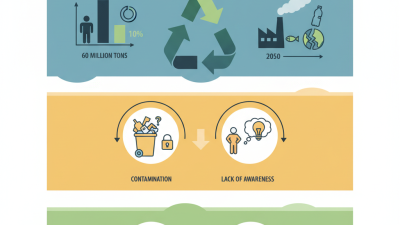
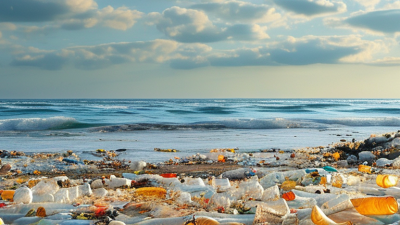
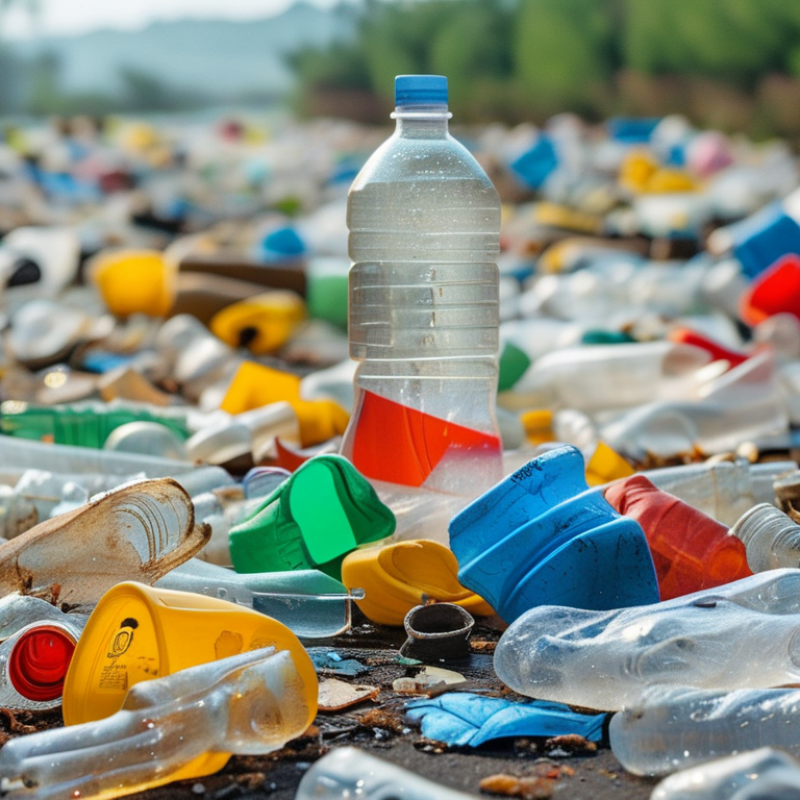
The current landscape of global plastic waste continues to evolve, with alarming statistics surfacing for 2026. It's estimated that over 300 million tons of plastic are produced annually, and a significant portion ends up in landfills and oceans. In many communities, recycling rates remain disappointingly low. This reality underscores the urgent need for innovative solutions in plastics recycling.
Improved recycling technologies could help divert more plastic waste away from landfills. Engaging local populations in recycling education is crucial. Awareness can lead to better sorting practices, increasing overall recycling efficiency. Furthermore, advancements in biodegradable plastics could complement these efforts. Yet, many consumers remain unaware of the environmental impact of their choices.
Consider supporting initiatives that promote responsible consumption. Every small effort counts in reducing plastic waste. Choose products with less packaging. Advocate for community recycling programs. Engage in discussions about plastic waste reduction. These actions may seem minor but can greatly affect our planet's health. Reflecting on personal habits may lead to more sustainable choices in the long run.
2026 Best Plastics Recycling Solutions for Global Buyers
| Recycling Method |
Efficiency (%) |
Cost per Ton ($) |
Suitable Plastics |
Environmental Impact |
| Mechanical Recycling |
85 |
200 |
PET, HDPE |
Low |
| Chemical Recycling |
75 |
500 |
Mixed Plastics |
Medium |
| Biodegradable Plastics Recycling |
60 |
340 |
PLA, PHA |
Low |
| Hybrid Recycling |
80 |
450 |
PS, PVC |
Moderate |
Innovative Technologies in Plastic Recycling: A Path to Sustainability
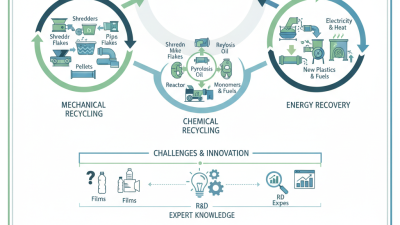
Innovative technologies in plastic recycling are revolutionizing the industry. As global awareness of plastic waste grows, these advancements are essential for sustainability. New methods are being developed to enhance efficiency and reduce environmental impact. Many technologies now focus on breaking down plastics into their molecular components. This allows for true recycling rather than downcycling.
Some innovative solutions utilize enzymes or microorganisms to degrade plastics. These biological processes are promising, as they can potentially reduce energy use and emissions. However, they are still in the experimental stages and require further research. Not all facilities have the capability to implement such technologies yet.
Moreover, advancements in sorting technologies improve the separation of recyclable materials. Automatic sorting systems can increase recycling rates significantly. Yet, challenges remain in educating the public about proper disposal methods. Many consumers still struggle with identifying recyclable plastics. A concerted effort is needed to bridge this knowledge gap and foster a circular economy. By harnessing these innovative solutions, the plastic recycling sector can take significant steps toward sustainability.
2026 Best Plastics Recycling Solutions for Global Buyers
This chart represents the estimated recycling rates of various types of plastics in 2026, highlighting the innovative technologies adopted for improved sustainability in the industry.
Market Demand for Recycled Plastics: Trends and Projections for 2026
The demand for recycled plastics is on the rise. As environmental concerns become more pressing, industries are seeking sustainable solutions. Projections indicate that by 2026, the market for recycled plastics could see substantial growth. This increase is driven by stricter regulations aimed at reducing plastic waste. Companies are now focusing on circular economy models.
However, challenges remain in achieving these goals. Reprocessing recycled materials can sometimes be inefficient. Not all plastics are equally recyclable, leading to lower quality in some cases. The technology for recycling is advancing, but there is still a need for innovation. Many current solutions require significant investment and resources.
Global buyers must stay informed about these trends. Understanding market dynamics is crucial for making sound sourcing decisions. Educating stakeholders on the benefits and limitations of recycled plastics can foster better practices. Collaboration among industries is essential for overcoming barriers. While the future looks promising, it requires commitment and proactive measures from all parties involved.
Best Practices in Plastic Recycling: Case Studies from Leading Industries
Recycling plastics is more crucial than ever. Leading industries showcase innovative practices that can inspire others. One notable case is in the automotive sector. Companies have started using recycled plastics in car parts. This not only reduces waste but also cuts costs. However, challenges remain in sourcing high-quality recycled materials.
Another effective approach is seen in the fashion industry. Brands are developing garments made from recycled plastics. They collaborate with recycling facilities to ensure a sustainable supply chain. Yet, the end-consumer perception of recycled products often lacks trust. It’s clear that more education is needed to enhance credibility.
Recycling is also evolving in the food packaging sector. Some companies are adopting biodegradable plastics, while others push for advanced recycling methods. These materials can significantly impact waste reduction. Despite progress, there are hurdles in establishing widespread acceptance and infrastructure. Discussions surrounding standards and certifications remain crucial for successful implementation.
Challenges in Plastic Recycling: Environmental and Economic Impacts
The issue of plastic recycling presents significant challenges that impact both our environment and economy. Many plastic products, while recyclable, end up in landfills. The recycling process can be complex, often leading to contamination. This contamination reduces the quality of recycled materials and ultimately impacts their market value.
One notable environmental challenge is the energy required for recycling operations. These activities can produce substantial carbon emissions. The transportation of plastic waste adds another layer, contributing to pollution. Localizing recycling efforts could help reduce such emissions, but many regions lack the infrastructure to support this approach.
Tips to improve recycling efforts include educating individuals on proper disposal methods. Awareness about what can be recycled is vital. Communities can host workshops to engage residents. Businesses should also collaborate on recycling initiatives, sharing resources to spark larger impact. Support for legislation that promotes recycling is essential, too. Change begins with informed action at every level.