10 Best Pyrolysis Plants for Efficient Waste Management Solutions?
The increasing volume of waste generated globally presents a critical environmental challenge. Waste management solutions must evolve to address this issue effectively. One innovative approach is the use of a Pyrolysis Plant. These facilities convert organic waste into useful products, promoting sustainability.
Investing in a Pyrolysis Plant can yield significant benefits. They reduce landfill dependency and lower greenhouse gas emissions. Furthermore, these plants can produce valuable materials like oil and gas. However, establishing and maintaining a Pyrolysis Plant requires expertise and careful planning.
Despite their advantages, not all pyrolysis technologies deliver the same efficiency. It is crucial to evaluate each plant's performance and ecological impact. Understanding these nuances leads to better waste management strategies. As we explore the ten best Pyrolysis Plants, we must consider both their potential and limitations in real-world applications.
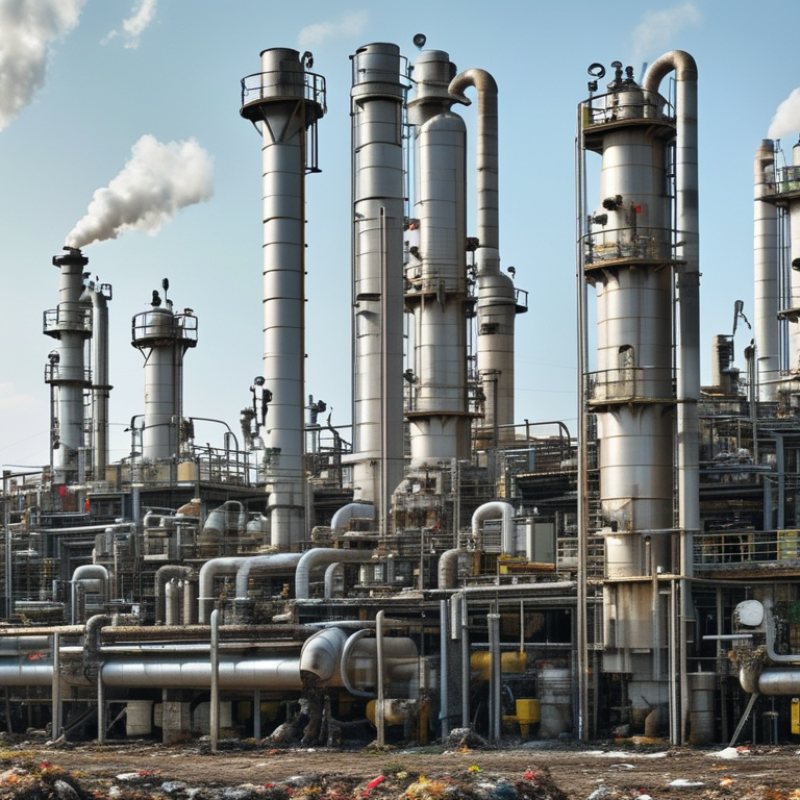
Overview of Pyrolysis Technology in Waste Management
Pyrolysis technology is gaining recognition in waste management. It transforms organic material into gas, oil, and char through thermal decomposition. According to a report by the International Renewable Energy Agency (IRENA), pyrolysis can convert up to 90% of certain types of waste into usable products. This method not only reduces landfill waste but also generates energy.
The process involves heating waste in an oxygen-free environment. This minimization of oxygen prevents combustion and optimizes resource recovery. In 2021, the global market for pyrolysis technology was valued at USD 250 million, with expectations to grow by 12% annually. However, the efficiency of pyrolysis plants varies based on their design and the feedstock used. The variability in output poses challenges for operational consistency.
Despite its advantages, pyrolysis technology isn't without flaws. High capital costs for setup can deter investment. Additionally, the need for skilled operators and maintenance is critical for efficient operation. Some studies indicate that only 70% of plants achieve optimal performance levels. This gap highlights the need for continuous improvement and innovation in technology.
Criteria for Selecting the Best Pyrolysis Plants
When selecting the best pyrolysis plants for waste management, several criteria are crucial. Efficiency is paramount, as studies show that high-efficiency plants can convert up to 90% of waste materials into liquid fuel or other usable products. Look for plants with high throughput capacities. A typical efficiency range is between 1 to 10 tons of waste processed per hour, depending on design and technology.
Technological innovation also plays a significant role. Plants that utilize advanced catalytic systems often achieve better conversion rates. According to recent industry reports, plants employing modular designs allow for scalability, which is essential for adapting to growing waste volumes. Furthermore, consider the plant's environmental impact. A facility that minimizes emissions is increasingly important to meet stringent regulations.
Another aspect to consider is operational reliability. Reports suggest that some standard plants may experience downtime due to maintenance issues. Hence, investigating maintenance records and service support will provide insights into reliability. User testimonials can shed light on real-world performance. Balancing efficiency, technology, and reliability can lead to a more sustainable waste management solution.
10 Best Pyrolysis Plants for Efficient Waste Management Solutions
| Plant Model |
Capacity (Tons/Day) |
Feedstock Type |
Energy Recovery (%) |
Emission Control |
| Model A |
5 |
Plastic |
80 |
Advanced Filtration |
| Model B |
10 |
Tires |
75 |
Zero Emission |
| Model C |
8 |
Organic Waste |
85 |
Active Carbon Trap |
| Model D |
15 |
Mixed Waste |
90 |
Scrubber System |
| Model E |
20 |
Wood Waste |
78 |
HEPA Filter |
Top 10 Pyrolysis Plants: Features and Capabilities
Pyrolysis plants are becoming essential for waste management. They efficiently convert waste into useful products like fuel and carbon black. Each plant has unique features that enhance its capabilities. Some use advanced technology to control emissions. Others focus on energy efficiency to reduce operational costs.
Capacity often varies among different plants. Some can handle large volumes, while others specialize in specific waste types. Flexibility in processing is crucial for adapting to various waste materials. Monitoring systems help ensure safe operation and environmental compliance.
Challenges still exist, such as high initial costs and the need for skilled operators.
In practice, managing the outputs remains a concern. Quality of end products must be consistent. Local regulations can complicate product use. Investors must weigh these factors carefully. Choosing the right pyrolysis plant requires thorough analysis. It's essential to balance innovative features with realistic expectations.
Case Studies: Successful Implementations of Pyrolysis Plants
Pyrolysis plants are making waves in waste management. They turn materials like plastics and tires into useful products. Various case studies shed light on how these plants can be successfully implemented. In one notable instance, a facility reduced landfill waste significantly. This approach not only decreased pollution but also produced energy. Facilities using pyrolysis technologies have noted improved resource recovery rates.
Another case study highlighted the economic benefits of just one pyrolysis plant. Local communities created jobs, enhancing economic resilience. This success story illustrates that investing in pyrolysis can yield more than just environmental benefits; it can foster community growth and innovation. However, challenges like regulatory hurdles and technology costs persist.
Tips for those considering investment in pyrolysis include conducting thorough research on technology options. Engage with local authorities to understand regulations. It's essential to connect with experts who can guide implementation. Investing time in the planning phase can help avoid setbacks later. Innovative thinking is crucial in overcoming obstacles and realizing the full potential of pyrolysis in waste management.
Future Trends in Pyrolysis Technology and Waste Management Solutions
The future of pyrolysis technology is bright. It holds promise for effective waste management solutions. As urban areas grow, managing waste becomes increasingly critical. Pyrolysis transforms waste into valuable resources while reducing environmental impact. This process can produce energy, oil, and char from organic and plastic waste.
Trends indicate a shift towards more efficient pyrolysis systems. Innovations are enabling higher temperatures and faster processing times. These advancements enhance conversion rates and lower energy consumption. More research is focusing on the integration of artificial intelligence. AI can optimize operations and improve decision-making in real-time, leading to cost savings.
Tips for implementing pyrolysis technology include assessing local waste characteristics. Understanding the types of waste generated can guide the choice of pyrolysis systems. Collaborate with local authorities for better waste collection strategies. It is vital to evaluate regulatory requirements. Staying compliant ensures the sustainability of any pyrolysis project. Addressing potential community concerns early fosters acceptance and support.