Top 10 Pyrolysis Plants in China for Sustainable Waste Management?
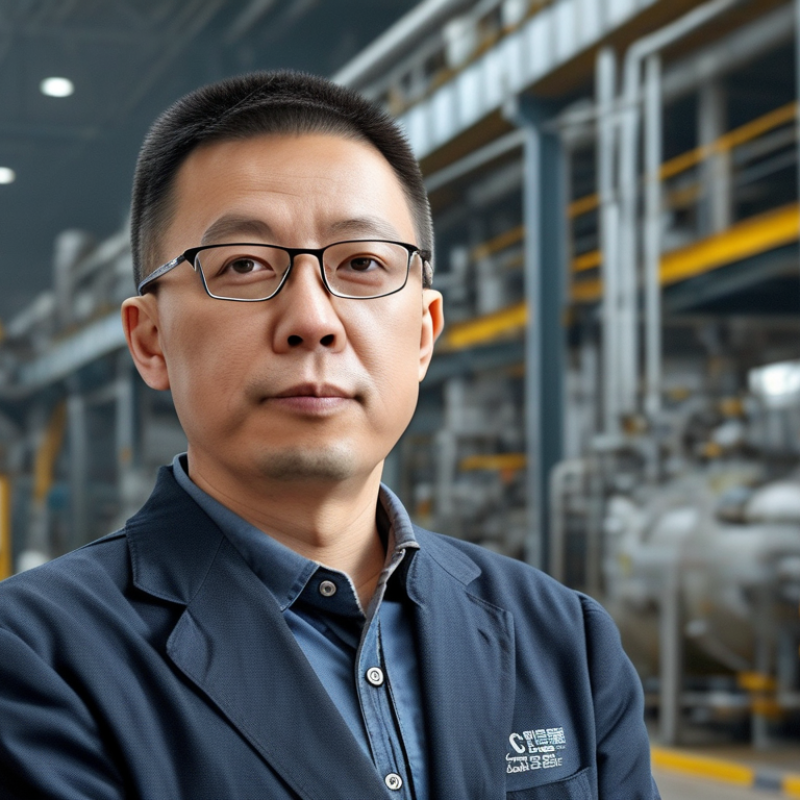
In recent years, the importance of sustainable waste management has risen significantly. The concept of a Pyrolysis Plant has been at the forefront of this transformation. Dr. Li Wei, a leading expert in waste conversion technologies, states, "Pyrolysis plants are vital for converting waste into valuable resources." This highlights the essential role of pyrolysis in achieving sustainability.
Pyrolysis plants utilize high temperatures to break down organic materials. This process generates bio-oil, syngas, and char, each with numerous applications. In China, several pioneering facilities are leading the charge in this innovative field. They not only reduce landfill waste but also support energy production.
Despite the benefits, challenges remain. The technology needs continuous improvement for efficiency and environmental safety. Moreover, public awareness and acceptance are crucial for widespread adoption. A comprehensive approach is vital. As the sector evolves, the potential of pyrolysis plants can transform waste management practices, creating a cleaner future.
Overview of Pyrolysis Technology in Waste Management
Pyrolysis technology plays a crucial role in sustainable waste management. This process involves heating organic materials in the absence of oxygen. It transforms waste into valuable resources, like bio-oil, gas, and char. Such conversions help reduce landfill use and lower greenhouse gas emissions.
The efficiency of pyrolysis plants largely depends on technology. Various methods exist, each with its pros and cons. Some systems can handle mixed waste, while others require pre-sorting. This can be a challenge, as consistent feedstock quality is essential. Additionally, the energy balance must be carefully assessed. If too much energy is consumed during processing, sustainability efforts are undermined.
Despite its promise, pyrolysis is not without flaws. The technology can be costly to implement, and operational issues may arise. It requires skilled personnel for maintenance and operation. As the industry evolves, ongoing research is vital to address these challenges. Improvements in process efficiency could enhance the viability of pyrolysis for broader waste management solutions.
Key Benefits of Pyrolysis Plants for Sustainable Practices
Pyrolysis plants are becoming pivotal in sustainable waste management. They convert waste materials into valuable resources, such as bio-oil, char, and syngas. A recent industry report indicates that pyrolysis can reduce waste volume by up to 90%. This process minimizes landfill use, addressing one of the major environmental challenges today.
The benefits extend beyond waste reduction. Pyrolysis plants contribute to energy recovery. The produced syngas can be used for energy generation, creating a circular economy. According to data from the International Energy Agency, converting waste can meet about 6% of global energy needs. This not only fosters energy independence but also reduces reliance on fossil fuels.
While the benefits are significant, challenges remain. The investment cost for installation can be high, which may deter potential operators. Moreover, the technology requires skilled personnel for efficient management. There is also a need for continuous monitoring to ensure emissions remain within acceptable limits. Balancing these factors is crucial for maximizing the effectiveness of pyrolysis plants in waste management.
Leading Pyrolysis Plants in China: Criteria for Selection
When evaluating the top pyrolysis plants in China, key criteria must be considered. A plant's technology stands out as a critical element. Advanced thermal processes ensure efficient energy recovery from waste. This leads to reduced environmental impact and minimizes landfill use. Technological advancements can vary significantly among facilities, affecting their effectiveness.
Another essential aspect is operational expertise. A plant should have a skilled workforce capable of handling complex pyrolysis processes. Trained personnel can optimize operations and ensure safety. Experience in managing diverse waste types can further enhance a plant's reliability. Regular training programs can keep staff updated on best practices and innovations.
Lastly, partnerships and certifications play a vital role in assessing a pyrolysis plant’s credibility. Collaborations with environmental agencies highlight commitment to sustainability. Accredited plants usually follow strict guidelines. However, some facilities may struggle to maintain these standards. It's worth noting that not all plants adhere to the same level of scrutiny, which can impact effectiveness and public trust.
Top 10 Pyrolysis Plants in China for Sustainable Waste Management
| Rank |
Location |
Annual Capacity (Tonnes) |
Technology Type |
Feedstock Type |
Operational Since |
| 1 |
Beijing |
20,000 |
Rotary Kiln |
Plastic Waste |
2015 |
| 2 |
Shanghai |
15,000 |
Batch Process |
Rubber Waste |
2018 |
| 3 |
Guangzhou |
25,000 |
Continuous Process |
Medical Waste |
2016 |
| 4 |
Shenzhen |
30,000 |
Flash Pyrolysis |
Electronic Waste |
2019 |
| 5 |
Chengdu |
18,000 |
Auger Reactor |
Textile Waste |
2017 |
| 6 |
Nanjing |
22,000 |
Fixed Bed |
Agricultural Residue |
2014 |
| 7 |
Wuhan |
16,500 |
Hybrid Process |
Mixed Plastics |
2020 |
| 8 |
Hangzhou |
27,000 |
Dual Chamber |
Organic Waste |
2021 |
| 9 |
Xi'an |
19,500 |
Slow Pyrolysis |
Construction Waste |
2022 |
| 10 |
Suzhou |
21,000 |
Conventional Method |
Household Waste |
2023 |
Detailed Profiles of the Top 10 Pyrolysis Plants in China
In recent years, pyrolysis plants in China have gained attention for their potential in sustainable waste management. These facilities convert waste materials into energy, oil, and char through thermal decomposition. The increasing focus on reducing landfills and recycling has led to the rise of innovative pyrolysis solutions.
Many of the top pyrolysis plants utilize advanced technology. They often employ multi-stage systems for efficient processing. Each plant varies in capacity, design, and targeted waste types. Despite their promise, not all plants operate at the same efficiency. Some may struggle with sourcing adequate waste streams, while others may face regulatory hurdles. It is crucial for investors to conduct thorough research.
Tips: When choosing a pyrolysis facility, consider its operational history and technological efficiency. Visit sites if possible. Engage with local stakeholders to understand community impacts. This approach can provide valuable insights into each plant's real-world effectiveness. Additionally, review independent assessments to gauge their actual performance against stated capabilities.
Future Trends and Innovations in China's Pyrolysis Industry
The pyrolysis industry in China is evolving, focusing on sustainable waste management. Innovations are pushing the boundaries of traditional methods. Companies are developing advanced technologies to enhance energy recovery from waste. This shift is crucial for reducing the environmental footprint.
New techniques facilitate the conversion of plastic waste into usable fuels. The demand for clean energy drives research in this field. However, challenges remain. High operational costs and the need for skilled workers are significant hurdles. Addressing these issues is essential for long-term success.
Additionally, integrating artificial intelligence in monitoring systems shows promise. This technology can optimize processes and reduce waste. Collaboration between researchers and industry leaders is vital. The path forward requires constant innovation and evaluation. The commitment to sustainability must be unwavering, even in the face of obstacles.