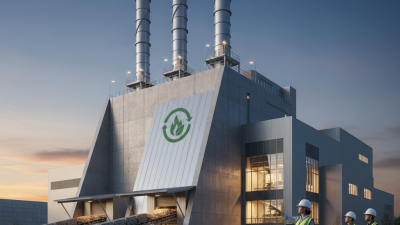
Best Waste To Energy Incinerator Solutions for Global Buyers?
The global shift towards sustainable energy sources has put a spotlight on Waste To Energy Incinerators. These facilities play a crucial role in managing waste while generating power. Dr. Linda Green, a leading expert in waste management, once stated, “Harnessing waste through incineration not only reduces landfill use but also provides a reliable energy source.” Her insights highlight the importance of this technology in fighting climate change.
The Waste To Energy Incinerator industry has seen innovations that promise efficiency and lower emissions. Key players are focusing on advanced combustion techniques. These developments aim to make incineration safer and cleaner. Nonetheless, challenges remain. Local regulations and community acceptance can hinder project implementation. Each region has unique needs and concerns that demand tailored solutions.
As demand for renewable energy rises, the potential of Waste To Energy Incinerators becomes even more apparent. However, buyers must navigate a complex landscape. Evaluating technology, cost, and environmental impact is critical. Choosing the best solution will shape the future of energy and waste management globally.
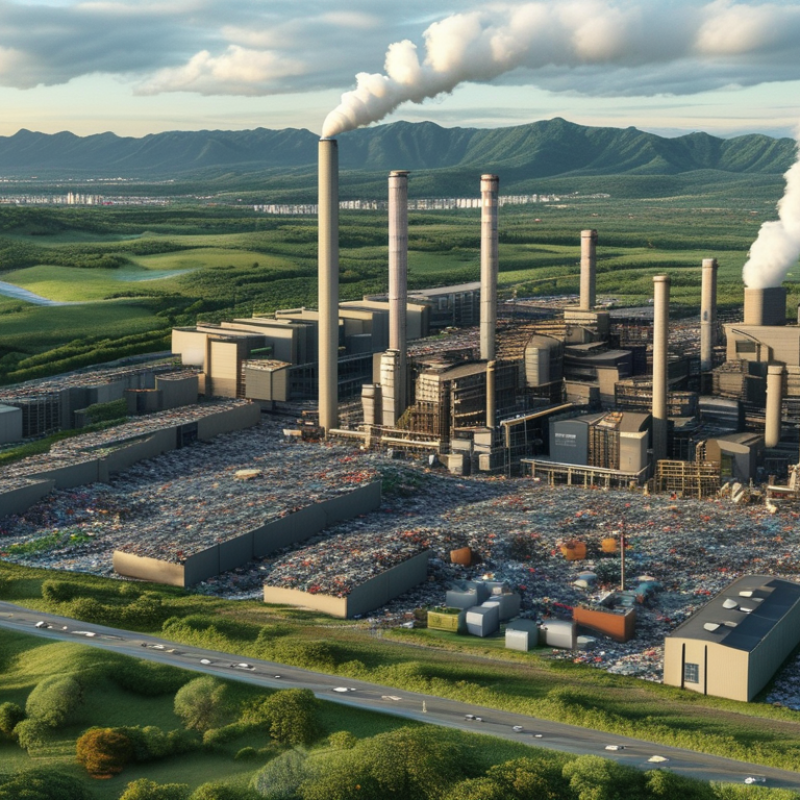
Overview of Waste to Energy Incineration Technology
Waste to energy incineration technology presents a transformative solution for waste management. This process not only reduces landfill use but also generates energy from waste. According to the International Energy Agency (IEA), incineration can yield approximately 500 kWh of electricity from one ton of municipal solid waste. This energy can power homes and industries, reducing reliance on fossil fuels.
In recent years, the global market for waste-to-energy plants has been expanding. A report from Grand View Research indicates a compound annual growth rate (CAGR) of over 7% in this sector from 2021 to 2028. Nonetheless, challenges remain. The initial capital investment can be daunting for many municipalities. Additionally, public acceptance varies widely based on perceived health and environmental impacts.
While this technology holds significant potential, it is not without criticism. Concerns about emissions and ash disposal complicate discussions surrounding its implementation. Effective regulatory frameworks and continuous technological enhancements are essential. Innovating incineration methods and investing in emissions control technologies can help address these concerns. As the world shifts toward sustainable energy solutions, waste-to-energy incineration will play a crucial role in waste management systems.
Key Features of Efficient Waste to Energy Incinerators
When considering waste-to-energy incinerators, efficiency is paramount. Key features include high combustion temperatures, efficient heat recovery systems, and advanced emission control technologies. Industry reports indicate that modern incinerators can convert 90% of waste into energy, making them an essential component of sustainable waste management.
Compact designs allow these systems to fit urban environments. They often utilize automated ash handling systems, reducing manual labor and improving safety. Recent studies reveal that facilities employing these technologies can significantly lower their operational costs. Despite advancements, challenges remain in minimizing emissions. Continuous monitoring is vital for compliance with environmental standards.
It is essential to choose a solution with proven results. Check for data from credible sources such as the World Energy Council or the International Waste Working Group. Regular updates and maintenance of the incinerators contribute to their long-term efficiency. Reflecting on best practices in this evolving sector is crucial for global buyers to ensure reliability and sustainability in waste management solutions. Balancing environmental concerns with energy production remains an ongoing challenge.
Global Leaders in Waste to Energy Incinerator Solutions
Waste-to-energy incineration is gaining traction worldwide. As global leaders in this field, various companies are pioneering innovative technologies.
These solutions not only manage waste effectively but also convert it into valuable energy. This process reduces the burden on landfills while contributing to greener energy sources.
Understanding the technology is key. Waste is subjected to high temperatures, breaking it down and releasing energy. The remaining ash is minimal, which can be further processed for construction materials. Safety protocols are paramount. However, not all systems are equal. Some designs may not effectively capture emissions, leading to environmental concerns.
Consider these aspects when evaluating systems. Check for compliance with local regulations and standards. Efficiency ratings are also crucial. A high-efficiency incinerator minimizes waste while maximizing energy output. Researching user experiences can reveal potential issues or benefits. It’s important that any solution chosen not only meets immediate needs but also future challenges, especially in terms of sustainability.
Factors to Consider When Choosing Incinerator Solutions
When selecting waste-to-energy incinerator solutions, several crucial factors must be considered. One important aspect is the technology used in the incineration process. Different technologies, such as fluidized bed or mass burn, offer varying efficiencies and emissions profiles. A thorough understanding of these technologies can lead to better decision-making. Buyers should evaluate which technology aligns with their waste characteristics and energy recovery goals.
Another key consideration is regulatory compliance. Each region has specific regulations governing emissions and waste management. Ensuring that the selected incinerator meets these standards is essential to avoid future penalties. Buyers should also seek solutions that include advanced emissions control systems. These systems vary in effectiveness, affecting both environmental impact and operational costs.
Cost is also a significant factor. While low initial costs may be appealing, the total cost of ownership must be examined. This includes maintenance, operational efficiency, and long-term sustainability. Some solutions might seem affordable upfront but could incur higher expenses through inefficiencies or compliance issues later. Engaging with knowledgeable professionals can help clarify these complexities.
Best Waste To Energy Incinerator Solutions for Global Buyers
| Feature |
Description |
Importance |
Considerations |
| Technology Type |
Different incineration technologies such as mass burn, fluidized bed, and gasification. |
High |
Identify the best technology that aligns with waste composition and energy recovery goals. |
| Emission Control |
Technologies to minimize harmful emissions like dioxins and particulate matter. |
Critical |
Evaluate compliance with local and international emission standards. |
| Operational Efficiency |
Overall energy recovery efficiency and waste throughput rates. |
High |
Consider the balance between throughput capacity and energy output. |
| Cost |
Initial investment, operational costs, and maintenance expenses. |
Very High |
Total cost of ownership should be calculated over the system's lifetime. |
| Regulatory Compliance |
Adherence to local, national, and international regulations for waste management and emissions. |
Essential |
Review all relevant regulations to ensure project feasibility. |
| Scalability |
Ability to increase capacity based on growing waste needs. |
Moderate |
Consider future waste projections when designing capacity. |
| After-Sales Support |
Availability of support services and spare parts post-installation. |
High |
Choose suppliers known for strong customer service and support. |
Future Trends in Waste to Energy Technologies and Innovations
The landscape of waste-to-energy technologies is evolving rapidly. Innovations are emerging that enhance efficiency and reduce emissions. Advanced incinerator designs can now better manage waste segregation. This results in higher energy recovery rates. Enhanced combustion processes also promise more complete waste breakdown.
Future trends highlight the use of automated systems and artificial intelligence. These technologies can optimize operations and monitoring. Smart waste management solutions can predict energy output based on waste composition. However, challenges remain. Balancing cost and environmental impact continues to be a concern. Improved technologies often come with higher initial investments.
When choosing an incinerator solution, consider scalability. Not all systems are suited for every size of operation. Evaluate the long-term operational costs versus initial installations. Regular maintenance and adaptability to new technologies will also matter. Strive for systems that can evolve as regulations and technologies change.
Future Trends in Waste to Energy Technologies