China Best Practices in Burning Trash For Energy Solutions?
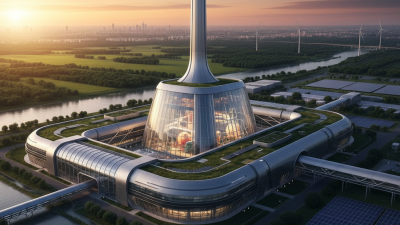
China is increasingly recognized for its effective practices in Burning Trash For Energy. This approach not only addresses waste management but also supports energy production. According to Dr. Li Wei, an expert in waste-to-energy technologies, "Burning Trash For Energy offers sustainable solutions for both waste disposal and energy needs." His insight highlights the dual benefits of this method in the context of China's rapid urbanization.
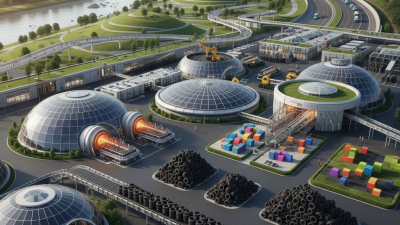
The process involves converting municipal solid waste into energy through combustion. This transformation significantly reduces landfill contributions. In urban areas, where space is limited, this strategy underscores the importance of efficient waste use. While Burning Trash For Energy indeed has advantages, it is not without challenges. The technology requires careful management to reduce harmful emissions.
Nonetheless, China’s commitment to refining these practices showcases its leadership in environmental technology. Continuous innovation is essential in this field. Evaluating the effectiveness and efficiency of existing methods remains crucial. Stakeholders must reflect on their results and adapt strategies for better outcomes. As the world looks to China, the conversation around Burning Trash For Energy continues to evolve.
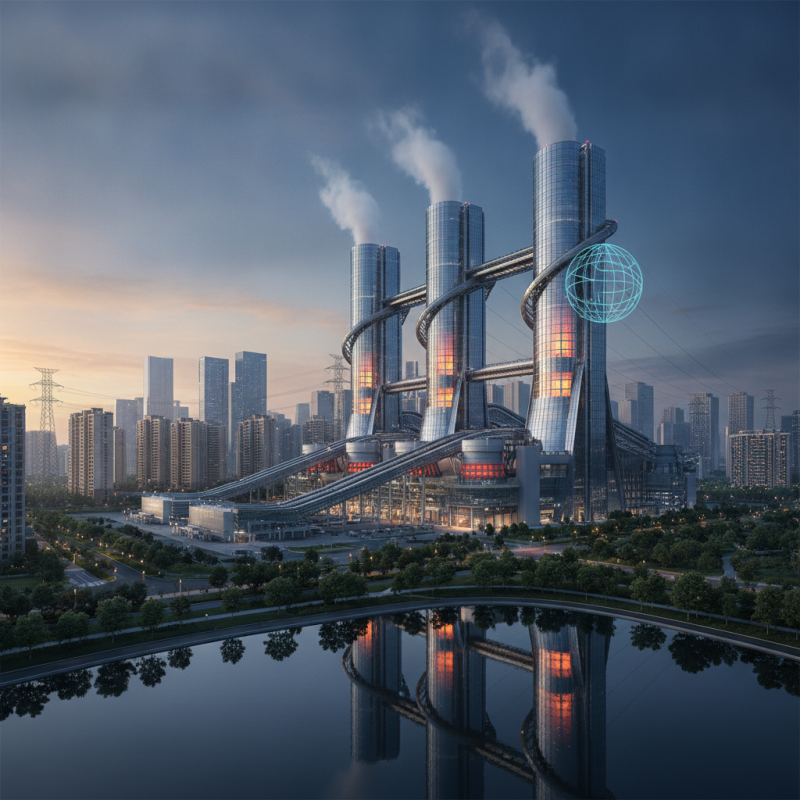
China's Approach to Waste-to-Energy: An Overview
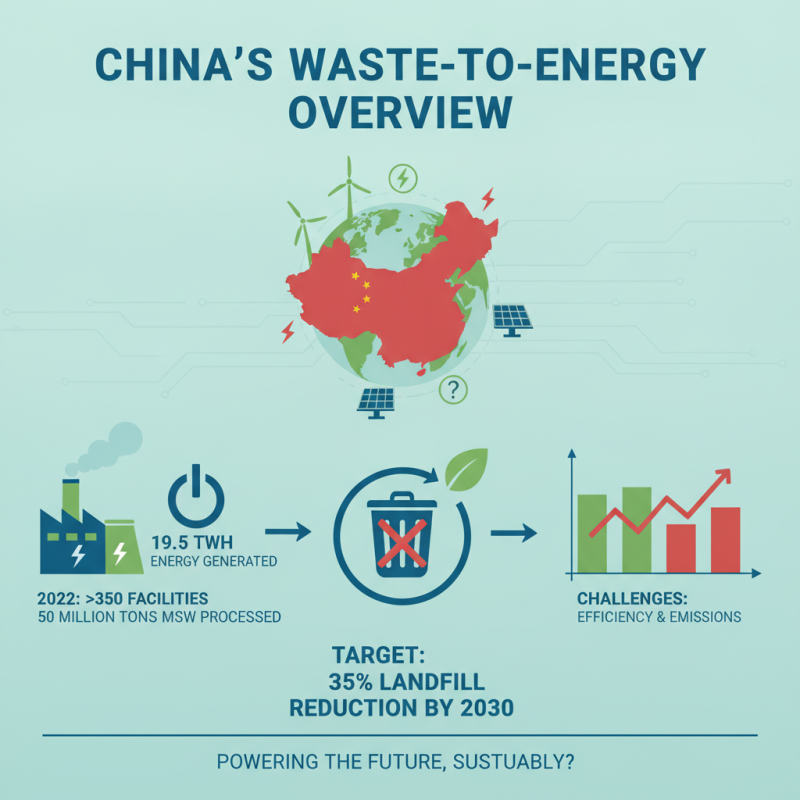
China's waste-to-energy (WtE) approach has become a vital part of its energy strategy. In 2022, over 350 WtE facilities processed around 50 million tons of municipal solid waste, converting it into approximately 19.5 terawatt-hours of energy. This substantial effort aligns with China's goal to reduce landfill use by 35% by 2030. However, the efficiency and emissions from these plants have raised concerns.
Recent studies indicate that WtE plants can emit pollutants like dioxins and particulate matter. While technologies are improving, the need for stricter emission standards remains crucial. In urban areas, the proximity of WtE facilities to residential neighborhoods raises health concerns among residents. Community engagement is vital, yet often overlooked, creating a gap in public trust.
China's ambitious plans highlight both achievements and challenges in the WtE sector. Data from the International Energy Agency shows global efforts in waste management are critical for tackling climate change. However, as China expands its WtE capacity, it must address these operational shortcomings to ensure sustainable and safe waste processing.
Technology Used in Trash Burning for Energy Generation in China
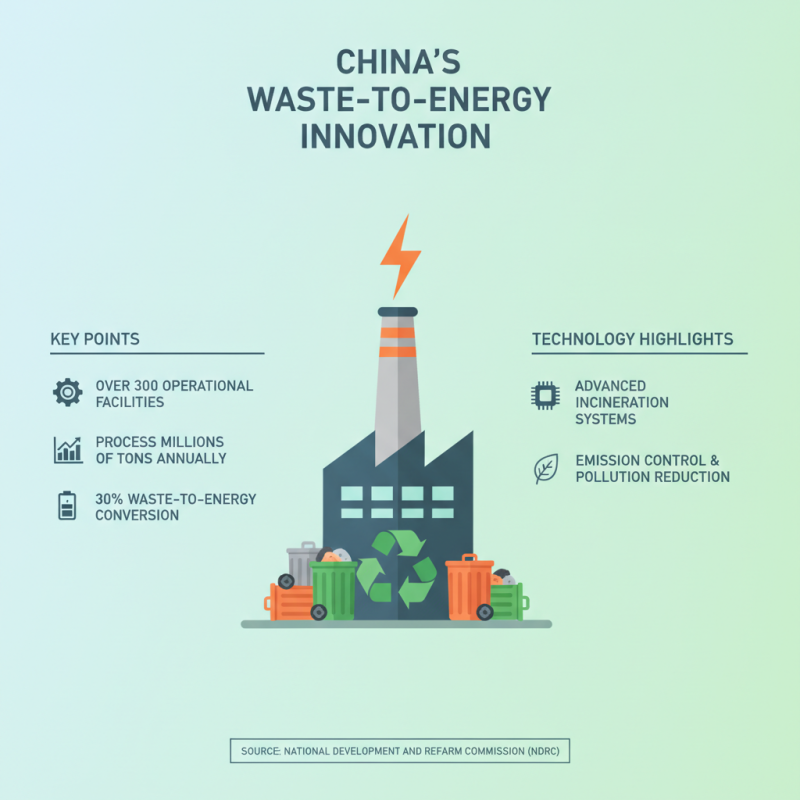
China's approach to burning trash for energy generation highlights innovative technologies that contribute to waste management. In recent years, China has significantly invested in waste-to-energy (WtE) technologies, with over 300 operational facilities processing millions of tons of waste annually. According to the National Development and Reform Commission (NDRC), these facilities can transform approximately 30% of municipal solid waste into usable energy, demonstrating remarkable efficiency.
Advanced incineration technologies play a critical role in this process. High-temperature incinerators minimize pollutants and maximize energy recovery. Additionally, some facilities employ flue gas treatment systems to reduce emissions, aligning with China's stringent environmental regulations. As reported by the China Association of Urban Environmental Sanitation, energy recovery rates can reach up to 600 kWh per ton of waste. However, some facilities face challenges in meeting these targets consistently.
**Tips:** Always seek data from reliable sources when researching waste management practices. Staying informed can make a difference. Furthermore, consider the environmental implications of incineration. Encouraging recycling and waste reduction remains essential for sustainable management. Thoughtful integration of technology is crucial, but it must be coupled with public awareness and participation to foster effective outcomes.
Environmental Benefits and Challenges of Waste Incineration
Waste incineration in China presents significant environmental benefits. When managed properly, it reduces landfill usage and generates energy. Incineration can convert waste into usable power. This helps decrease reliance on fossil fuels. The process can also minimize methane emissions from decomposing waste, which are potent greenhouse gases.
However, challenges accompany these benefits. Air pollutants from incineration pose health risks. Dioxins and particulate matter can affect local communities. Advanced technology can mitigate these emissions, but costs are high. Not all facilities meet strict environmental standards. Public concerns about safety and transparency are prevalent. There are ongoing discussions about the balance between energy production and public health.
Investing in waste-to-energy technology may spark debate. While energy generation is crucial, it should not compromise air quality. Communities need clear information about health impacts. Transparency is vital for building trust. Continuous improvement and stricter regulations are necessary. Finding the right approach to incineration remains a pressing issue.
Case Studies of Successful Waste-to-Energy Projects in China
China has emerged as a leader in waste-to-energy (WtE) projects, successfully converting municipal solid waste into energy. In 2020, WtE plants in China processed around 225 million tons of waste, generating approximately 28.9 billion kilowatt-hours of electricity. This impressive output demonstrates the potential of WtE technology for energy production and landfill diversification.
Case studies illustrate various approaches in effective WtE management. One successful project in Shenzhen utilized advanced combustion technologies, reducing pollutants by 90%. This plant serves more than 3 million residents, significantly minimizing reliance on traditional fossil fuels.
Another noteworthy example is in Hangzhou, where a gasification process is employed. Here, waste is converted into syngas, leading to a reduction in carbon emissions while providing energy.
Despite these successes, challenges persist. Many facilities face public opposition due to concerns about emissions and health impacts. Moreover, the quality of waste material varies, affecting energy output and operational efficiency. Continued innovation and transparent communication with communities are essential for the sustainable development of WtE solutions in China.
Balancing environmental responsibility with energy needs remains a critical reflection point for industry stakeholders.
Future Directions for Trash Burning Energy Solutions in China
Trash-to-energy solutions are critical in addressing China's growing waste crisis. A recent report from the Ministry of Ecology and Environment states that China's urban waste output is expected to exceed 400 million tons by 2025. Burning trash can convert waste into energy, reducing landfill use. However, this approach must be carefully managed to minimize emissions.
Current practices in waste incineration focus on energy recovery, but challenges remain. Local governments often lack the technology and expertise needed for efficient operations. The World Health Organization highlights the need for stricter emissions standards. Many incineration plants struggle to meet these standards. Public concerns about health and pollution have led to increased scrutiny of waste-to-energy projects.
Future directions should prioritize advanced combustion technologies. Increased investment in research is crucial. New systems may reduce harmful emissions and improve energy efficiency. Moreover, community engagement is vital. Educating the public about the benefits and safety of modern incineration can help alleviate fears. Collaboration with international experts may also provide valuable insights. This multifaceted approach can enhance the sustainability of trash burning energy solutions in China.
China Best Practices in Burning Trash For Energy Solutions
| Dimension |
Details |
| Waste Type |
Municipal Solid Waste (MSW), Industrial Waste |
| Energy Output |
Average 500-700 kWh per ton of waste burned |
| Emission Control Technologies |
Flue Gas Treatment, Electrostatic Precipitators |
| Regulations |
Strict guidelines on emissions, National standards by MEE |
| Cost Effectiveness |
Lower operational costs due to energy recovery |
| Public Acceptance |
Increasing awareness and support for energy recovery technologies |
| Future Trends |
Integration of AI for monitoring and efficiency improvements |