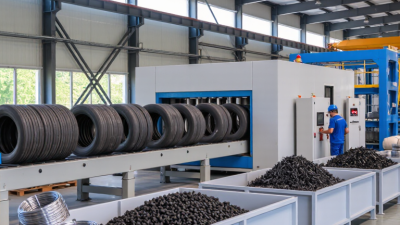
China’s waste-treatment sector includes manufacturers serving municipal, industrial, and commercial projects. This guide examines ten Chinese suppliers of Garbage Incinerators and the practical differences between their offerings. Equipment is not interchangeable. A compact unit for a rural site may be unsuitable for a city plant handling varied household waste.
The comparison considers engineering experience, equipment range, project references, automation, and after-sales support. It also looks at details buyers can verify, such as waste-feeding systems, grate design, combustion controls, and flue-gas treatment configurations. These features affect daily operation, maintenance needs, and the consistency of performance. Ask for operating data and references from facilities with similar waste characteristics. A polished brochure is not proof of reliable performance.
The list is a starting point, not a final verdict. Rankings can change with project scale, budget, location, and technical requirements. Some information may be difficult to compare because manufacturers publish different levels of detail. That deserves attention. Buyers should confirm specifications directly, review service arrangements, and assess whether proposed equipment fits local operating conditions. A careful evaluation can reveal a better match than brand recognition alone.
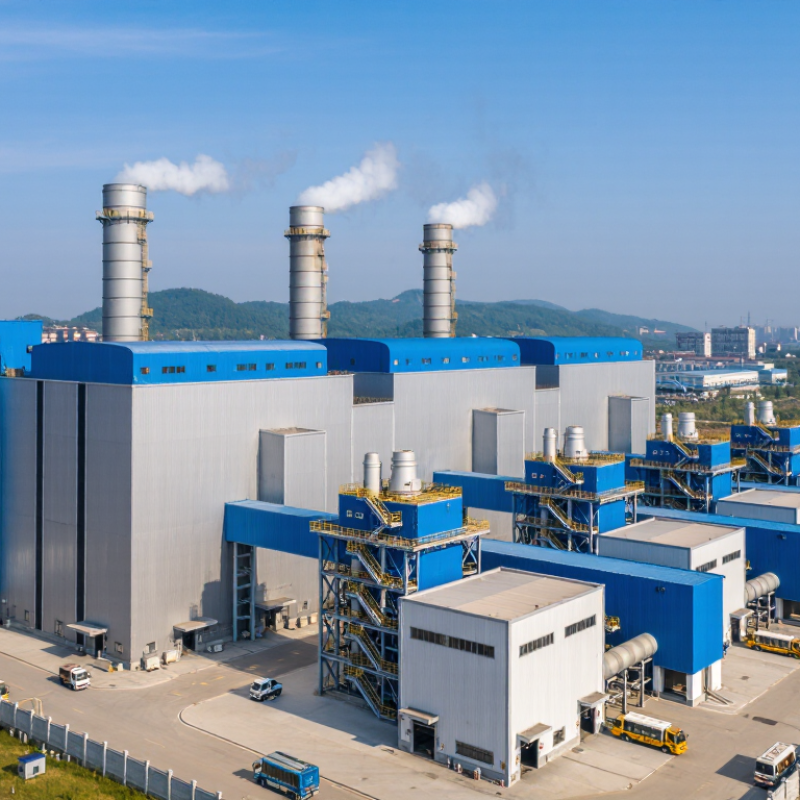
China’s waste incineration industry covers more than furnace production. Its scope includes waste feeding, combustion systems, heat recovery, flue-gas treatment, ash handling, and plant controls. Some manufacturers supply complete project packages; others focus on equipment or engineering services. The distinction matters. A furnace’s rated capacity says little about performance if waste composition changes or maintenance support is limited.
The market includes large engineering contractors, specialist equipment makers, and regional suppliers. Public projects often involve several parties, from design institutes to operators and environmental monitoring teams. Buyers typically compare throughput, emissions-control design, energy recovery, operating costs, and access to replacement parts. A site visit can reveal practical details: feeding consistency, corrosion around boiler sections, or how quickly technicians can respond. Paper specifications do not show everything.
China’s diverse waste streams shape project requirements. Moisture, sorting quality, and seasonal variation can affect combustion stability, so equipment selection needs local operating data. Supplier comparisons should also examine commissioning records and long-term service arrangements, not only purchase price. One weakness in the market is that performance information can be difficult to compare across projects. That deserves scrutiny. A lower-cost system may appear attractive, yet unclear operating assumptions can make the comparison misleading.
A useful comparison starts with operating evidence, not catalogue capacity. The World Bank’s What a Waste 2.0 report estimates that the world generated 2.01 billion tonnes of municipal solid waste in 2016, with at least 33% not managed in an environmentally safe way. That scale makes reliable treatment essential. Ask each supplier for independently verified data on throughput, operating availability, energy use, and emissions under stated test conditions. Check whether results reflect actual waste, not only idealized feedstock. Moisture and composition can shift, sometimes sharply.
Examine the complete process: waste reception, combustion control, heat recovery, flue-gas cleaning, and ash handling. Request operating records from comparable facilities, plus maintenance schedules and access to replacement parts. The World Bank projects annual waste generation could reach 3.40 billion tonnes by 2050; long-term service matters as much as initial output. Compare guarantees carefully: do they define measurement periods, fuel conditions, and consequences when targets are missed? A neat brochure is not proof. I would also ask how operators are trained. This detail is easy to overlook, and even good equipment depends on people who can respond to changing conditions.
China’s garbage-incinerator manufacturers differ more in engineering scope than in brochure language. The World Bank’s What a Waste 2.0 estimated that global municipal solid waste reached 2.01 billion tonnes in 2016, with 3.40 billion tonnes projected by 2050. These are global figures, not China-specific. That distinction matters.
A useful comparison of ten manufacturer profiles can cover distinct capabilities: moving-grate furnaces, boiler integration, fluidized-bed systems, waste pretreatment, modular plant design, flue-gas cleaning, bottom-ash handling, combustion controls, full-plant engineering, and operations support. The practical differences show up in details: how feed hoppers handle uneven waste, how operators monitor combustion, and how quickly maintenance teams source replacement parts. Small details matter.
Assess each profile against operating references using comparable waste conditions. Ask for commissioning records, equipment availability data, and documented emissions-monitoring results. The World Bank report does not rank suppliers, and neither should a capability checklist. Some descriptions sound convincing but say little about performance after years of operation. I would want clearer, independently verifiable plant data before calling any manufacturer a leader.
Regulatory combustion-temperature benchmarks for waste incineration
What this shows: These are regulatory temperature thresholds, not company-specific performance figures. China’s GB 18485-2014 sets an 850°C minimum; the EU Industrial Emissions Directive sets an 850°C baseline and 1,100°C for waste containing more than 1% halogenated organic substances, expressed as chlorine.
Sources: China standard GB 18485-2014; EU Directive 2010/75/EU, Article 50(2).
Choosing among China’s leading garbage-incinerator manufacturers requires more than comparing daily capacity. The World Bank’s What a Waste 2.0 report estimates that the world generated 2.01 billion tonnes of municipal solid waste in 2016; at least 33% was not managed in an environmentally safe way. A plant’s design should match local waste moisture, composition, and seasonal variation. Moving-grate systems can handle mixed waste, while other furnace types may need more consistent feed. Capacity alone can mislead. A large furnace may perform poorly if waste sorting, maintenance, or operator training is weak.
Environmental controls deserve close scrutiny. The European Commission’s 2019 BAT conclusions for waste incineration set benchmark daily emission levels, including 2–5 mg/Nm³ for dust and 2–8 mg/Nm³ for hydrogen chloride. These are technical benchmarks, not a substitute for checking applicable local permits. Ask how the proposed system combines combustion monitoring, flue-gas cleaning, and continuous emissions measurement. Request operating data, not just design figures. Inspect sampling records and maintenance plans. Small details matter: a blocked reagent nozzle or poorly sealed ash conveyor can undermine otherwise capable equipment. And no single number tells the whole story.
Garbage incinerators serve municipal waste facilities, industrial sites, and some campuses with steady, suitable waste streams. Before comparing suppliers, measure daily waste volume and examine moisture, composition, and heating value. These details affect furnace design, auxiliary fuel needs, and emissions-control equipment.
A wet delivery after heavy rain can change operating conditions noticeably. Plans based on averages alone may miss that.
Compliance is project-specific. Ask suppliers how their proposed system will meet applicable local emission limits, permitting conditions, monitoring requirements, and worker-safety rules. Request current test records, process diagrams, and a clear explanation of ash handling. Verify who is responsible for installation, commissioning, operator training, and ongoing maintenance.
Compare performance guarantees and service response times, not just purchase prices. One weakness in many proposals is vague language around real-world waste variation; ask how the system performs when incoming material changes.
Tips: Request references from comparable facilities and inspect their operating records where possible. Ask for a site acceptance test plan before signing. Check spare-parts availability and annual service costs. A polished presentation helps, but it does not answer every practical question.