How to Effectively Dispose of Old Tires Worldwide?
The world faces a growing challenge with old tire disposal. Millions of tires are discarded each year, creating environmental hazards. Inappropriate disposal methods contribute to pollution and health risks. Efficient strategies are essential for managing this waste.
Many communities struggle with effective old tire disposal strategies. Littered landscapes and illegal dumping sites reflect a lack of awareness and resources. Even when recycling programs exist, participation is often low.
Addressing these problems requires collaboration across industries and education for consumers. Sharing knowledge on responsible disposal can empower individuals. Local governments must also provide options for tire disposal. It's crucial to create a sense of responsibility toward our environment. Ultimately, effective old tire disposal is a shared responsibility.
Understanding Global Tire Disposal Challenges and Statistics
The disposal of old tires presents significant challenges globally. According to the World Business Council for Sustainable Development, approximately 1.5 billion tires are discarded each year. This staggering number highlights the urgent need for effective solutions. However, around 80% of old tires are not recycled properly. Instead, they often end up in landfills or are incinerated, leading to environmental pollution.
In developed countries, tire recycling rates can reach 70% or higher. Yet, this is not the case everywhere. In many developing nations, inadequate infrastructure and limited awareness hinder proper disposal methods. For instance, a report by the European Tyre and Rubber Manufacturers Association indicates that some regions in Africa recycle less than 20% of their tires. This disparity raises critical concerns about environmental degradation and resource waste.
Some countries have implemented advanced collection systems. Others struggle with outdated policies that fail to address the issue. The lack of standardization invites reflection on overarching global responsibility. Countries must share knowledge and technology to develop more effective recycling methods. Collaboration could be key to tackling this pressing issue.
Environmental Impact of Improper Tire Disposal Worldwide
Improper tire disposal poses significant environmental risks globally. Used tires can create breeding grounds for mosquitoes, leading to the spread of diseases like West Nile virus. When tires are dumped in landfills, they take decades to decompose, contributing to waste accumulation. Additionally, toxic substances can leach into the soil and waterways, harming ecosystems and communities.
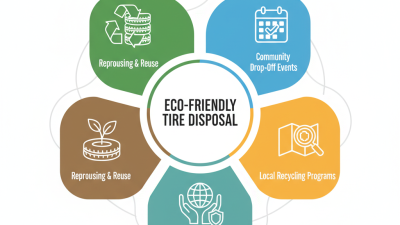
Consider recycling as a viable option for old tires. Many organizations collect used tires for repurposing. They can be transformed into rubber mulch for landscaping or even as components in asphalt. This not only reduces waste but also minimizes the demand for new raw materials.
Explore local tire disposal programs. Many municipalities offer tire collection days or designated drop-off locations. Engaging with these programs helps ensure that tires are disposed of properly. It's crucial to educate others about the importance of responsible disposal. Small actions can lead to large changes in how society views waste management.
Effective Recycling Methods for Automotive Tires
Recycling automotive tires is crucial for environmental sustainability. Many methods exist, but not all are equally effective. One popular approach is shredding. Shredded tires can be repurposed into various products, like playground surfaces or asphalt. These uses not only reduce waste but also improve durability in construction.
Another method involves devulcanization. This process breaks down the sulfur bonds in rubber, allowing for reuse in new tire production. It is a complex procedure and requires specialized equipment. Organizations must consider the cost and feasibility of implementing it. While effective, devulcanization has limitations and may not be accessible everywhere.
Additionally, tire-derived fuel is an alternative. Tires can be converted into fuel for energy generation. However, this practice raises concerns about emissions. It also requires strict regulations to ensure air quality standards. Ensuring that tire recycling does not harm the environment is essential. Global awareness and collaboration can enhance recycling methods and practices.
Global Tire Disposal Methods and Their Effectiveness
Innovative Reuse and Repurposing Solutions for Old Tires
Innovative reuse and repurposing solutions for old tires can significantly reduce environmental impact. According to the U.S. Environmental Protection Agency, approximately 290 million scrap tires are generated annually in the United States alone. Many end up in landfills, creating serious environmental challenges. However, there are numerous ways to reimagine these tires.
One effective approach is converting tires into durable materials for construction. Crumb rubber derived from old tires is increasingly used in asphalt for roads. The National Asphalt Pavement Association indicates that using rubberized asphalt can increase road longevity by 30%. This not only repurposes the tires but also reduces the need for new materials.
Another innovative idea is using tires for playgrounds and sports surfaces. Studies show that rubber mulch made from recycled tires can enhance safety by providing better shock absorption. However, concerns about tire crumb leaching chemicals into the soil remain. Such challenges must be addressed to ensure long-term safety and effectiveness. The recycling of old tires offers substantial benefits, yet it requires careful consideration and further research to maximize its potential while minimizing risks.
How to Effectively Dispose of Old Tires Worldwide? - Innovative Reuse and Repurposing Solutions for Old Tires
| Method |
Description |
Impact on Environment |
Global Reach |
| Recycling |
Transforming old tires into new products such as rubber mats, road surfaces, and play surfaces. |
Reduces landfill waste and minimizes environmental pollution. |
Widely adopted in North America and Europe. |
| Upcycling |
Creating new products from old tires, such as furniture, planters, and art. |
Promotes creativity while reducing waste. |
Gaining popularity in urban areas globally. |
| Tire Derived Fuel (TDF) |
Using shredded tires as a fuel substitute in cement kilns and power plants. |
Reduces fossil fuel usage and lowers greenhouse gas emissions. |
Utilized primarily in industrial sectors in the US and Europe. |
| Landfill Diversion |
Properly setting aside tires for future recycling or reuse rather than disposal. |
Helps reduce pollution and conserves landfill space. |
Applicable in regions with strict waste management policies. |
| Artificial Reefs |
Using old tires to create reefs that foster marine life. |
Enhances biodiversity and reuses materials effectively. |
Implemented in coastal areas around the world. |
Regulatory Frameworks Governing Tire Disposal Practices Globally
The regulatory frameworks surrounding tire disposal practices vary widely across the globe. Many countries have established specific guidelines to manage old tires due to their environmental impact. For instance, the European Union mandates tire producers to take back used tires, ensuring more sustainable disposal or recycling methods. This initiative relies on data from the European Tyre and Rubber Manufacturers' Association, which indicates that approximately 64% of scrap tires in Europe are recycled into new products.
In contrast, some regions lack stringent regulations, leading to improper disposal. The United States, for example, has made progress with state-level laws that address tire waste. However, discrepancies exist from one state to another. The Environmental Protection Agency reported that about 300 million tires are discarded annually in the U.S., with many ending up in landfills or illegal dumpsites. This unsustainable practice calls for re-evaluation of current laws.
Developing nations face even more significant challenges. Countries in Africa and Southeast Asia struggle with limited resources and enforcement capabilities. Reports indicate that in some areas, only around 10% of tires are recycled. Engaging communities and local governments is essential to forming effective policies. It’s crucial to reflect on what can be done to improve tire disposal practices worldwide.