What Are 2026 Top Old Tyre Disposal Solutions for Buyers?
Choosing an effective Old Tyre Disposal solution in 2026 requires more than finding the nearest collection point. Buyers must examine safety, processing quality, environmental performance, and long-term operating costs. A worn tyre still contains recoverable rubber, steel, and textile materials. Poor handling can waste these resources and create avoidable storage problems.
Dr. Costas Velis, a respected waste-management researcher, captures the circular principle clearly: “Waste is a resource in the wrong place.” His observation suits old tyres perfectly. The right facility can transform them into rubber granules, engineered fuel, construction materials, or other controlled applications. The wrong choice may only move the problem elsewhere. That detail matters.
This guide explores the leading Old Tyre Disposal solutions expected to shape buyer decisions during 2026. It considers tyre collection networks, retreading, mechanical recycling, pyrolysis, and certified energy recovery. Each option has different equipment needs, carbon impacts, output markets, and maintenance demands. Buyers should request traceable documentation before signing contracts. Ask where the tyres travel. Ask what the facility produces. Ask how residues are managed.
Experience also teaches caution. A low advertised price can hide transport charges, weak sorting, or uncertain downstream processing. Recycling is not automatically sustainable. It depends on clean inputs, efficient operations, reliable buyers, and measurable results. Some technologies remain promising but require closer verification. That is an uncomfortable point.
The strongest decision balances practical performance with responsible resource management. Buyers should compare verified data, site capabilities, service continuity, and supplier reputation. A careful review protects budgets and supports a more credible circular tyre economy.
What Makes 2026 Old Tyre Disposal Solutions Different?
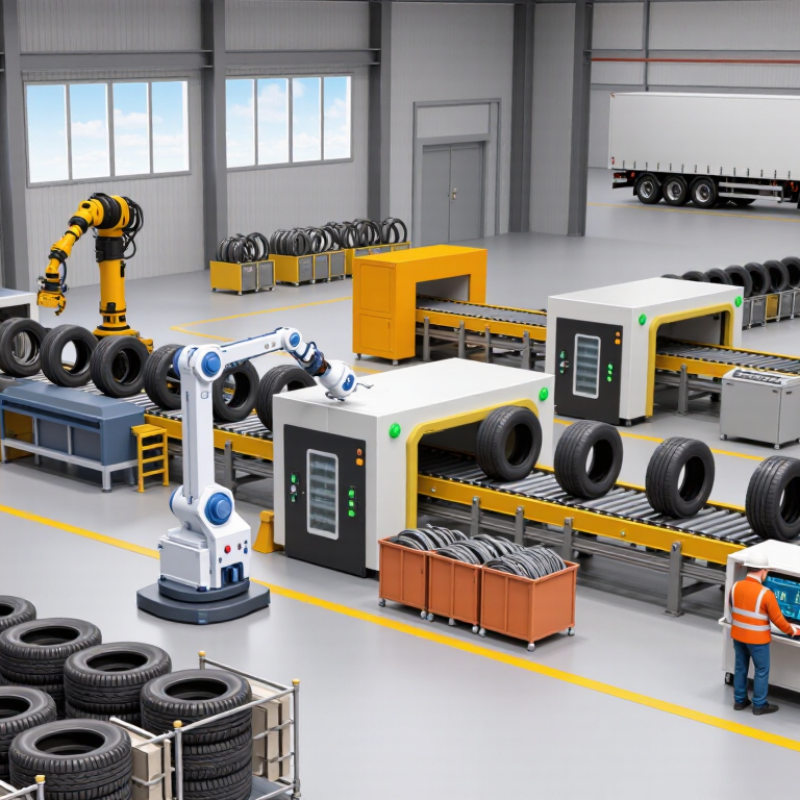
What makes 2026 old tyre disposal solutions different is better control from collection to final processing. Buyers now expect traceable handling, not vague promises about recycling. Digital weight records, collection dates, and processing certificates create a clearer evidence trail. This helps purchasing teams compare suppliers with greater confidence. It also exposes weak claims.
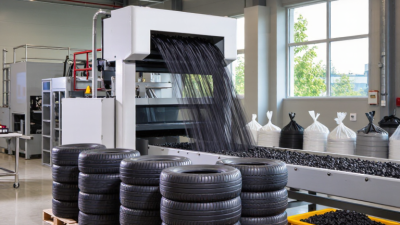
Modern facilities increasingly separate steel, textile fibres, and rubber before treatment. Advanced shredding systems can produce consistent rubber granules for flooring, road surfaces, and molded products. Some processors use devulcanization to restore rubber properties for new manufacturing. Others convert unsuitable material into controlled industrial fuel. The right route depends on tyre condition, contamination, and local demand.
Details matter. A responsible buyer should inspect storage areas, ask for batch records, and check fire-prevention procedures. A damp pile behind a warehouse is not a disposal strategy. It is a warning sign. In my experience, reliable operators explain their rejection rates instead of hiding them. They also measure energy use, transport distance, and recovered material output. These figures make environmental claims more credible.
Still, 2026 solutions are not perfect. Recycling mixed tyre compounds remains technically difficult. Some recovery methods also consume substantial energy. Buyers should question impressive recovery percentages and request independent verification. A practical decision balances safety, material recovery, emissions, cost, and dependable reporting. That balance is what separates a modern solution from simple waste removal.
What Are 2026 Top Old Tyre Disposal Solutions for Buyers?
What Makes 2026 Old Tyre Disposal Solutions Different?
How to read the chart: A typical passenger-car tyre contains several recoverable material groups by mass. Rubber and carbon-based compounds are mainly suited to mechanical recycling or pyrolysis, while steel can be separated for metal recovery. Textile and additive fractions require more specialized processing.
What is different in 2026: Buyers increasingly compare solutions by material recovery, traceability, contamination control, energy use, and compliance with landfill restrictions. Retreading remains the preferred option when the tyre casing is structurally suitable because it extends tyre life before final disposal. When retreading is not possible, mechanical recycling, tire-derived fuel, and pyrolysis provide different recovery routes.
How to Sort and Prepare Used Tyres for Disposal
What Are 2026 Top Old Tyre Disposal Solutions for Buyers?
How to Sort and Prepare Used Tyres for Disposal
In 2026, buyers need clean, accurately sorted tyres before choosing a disposal route. Preparation affects transport costs, safety, and recovery value. During a small workshop clearance, I found mixed tyre piles caused unnecessary delays. My first sorting sheet was too simple. It ignored tyre size and rim condition.
Separate passenger, truck, agricultural, and specialty tyres. Keep different sizes in clearly marked groups. Remove loose mud, stones, and sharp metal objects. Check each tyre for deep cuts, exposed cords, oil, or chemical contamination. Damaged tyres need separate handling. Do not mix them with reusable casings.
Remove rims when practical. Store tyres upright in stable rows, away from heat, flames, and standing water. Avoid tall, unstable piles. Take photographs of each group before collection. Record approximate quantities, dimensions, and visible damage. These details help disposal contractors quote accurately. They also reduce disputes during loading.
Ask the service provider which preparation standards apply locally. Some facilities accept whole tyres, while others require shredding or rim removal. Confirm accepted contaminants before transport. Never hide contaminated tyres inside clean loads. That shortcut can create safety problems and rejected shipments. I still review sorting records twice, because one mislabeled stack can affect the entire shipment.
Which Recycling and Repurposing Options Are Available?
Old tyres are no longer simple waste. In 2026, buyers can choose reuse, retreading, material recovery, or controlled energy recovery. A qualified inspector should examine tread, sidewalls, cracks, and casing damage before reuse. Some casings are suitable for retreading, but age and hidden internal damage can change the decision. That judgment needs evidence, not optimism.
Mechanical recycling offers another practical route. Processors can shred tyres, remove steel with magnets, and separate textile fibres. The resulting rubber granules may support sports surfaces, acoustic mats, road components, or molded products. Ask for processing records, contamination controls, and the final material’s intended use. A reliable operator should explain collection weights and provide transfer documentation. Photos of loaded tyres help, too.
Direct repurposing can work in limited settings. Tyres may become erosion barriers, workshop bumpers, or durable garden structures when properly cleaned and secured. However, outdoor storage can collect rainwater and create maintenance problems. It can also release particles through cutting or weathering. This option is less impressive than it sounds. Buyers should check local requirements, avoid unsafe stacking, and reject tyres with oil, chemical, or structural contamination. A clear quotation should separate transport, sorting, processing, and any recovery charge.
How to Compare Costs, Compliance, and Environmental Impact
For buyers comparing old tyre disposal solutions in 2026, the quoted gate fee is only one part of the cost. Request separate prices for collection, weighing, sorting, storage, transport, and final processing. A low fee can become expensive when tyres contain mud, rims, moisture, or mixed sizes. Ask whether the quotation includes a weighbridge ticket and documented transfer records. Details matter.
Compliance should be checked before the first load leaves your site. Confirm that the transporter and receiving facility hold the required local permits. Request evidence of lawful handling, inspection procedures, and final destination. Requirements differ between regions, so generic certificates may not provide enough protection. Keep photographs, load counts, invoices, and signed delivery records. Ask for proof.
Environmental impact depends on the actual treatment route. Mechanical recycling can produce rubber granules, steel, and textile materials, but quality depends on sorting and processing energy. Retreading may extend casing life when inspection results support it. Controlled energy recovery can reduce landfill use, yet emissions and fuel efficiency require careful review. Thermal processing may recover materials, but buyers should examine energy sources, residue management, and verified output markets.
No option is perfect.
I would compare transport distance, recovered material yield, emissions data, and landfill diversion rather than trust broad green claims. A practical trial load can reveal contamination rates, handling delays, and unexpected costs before a long contract begins.
How Buyers Can Select a Reliable Tyre Disposal Provider
What Are 2026 Top Old Tyre Disposal Solutions for Buyers?
A reliable tyre disposal provider should offer traceable handling, not just a low collection price. The U.S. Environmental Protection Agency estimates that about 290 million scrap tyres are generated annually in the United States. This volume makes informal promises difficult to verify. Ask for collection records, weighbridge tickets, transfer documents, and clear details about the final treatment route. A serious provider should explain whether tyres go to retreading, material recovery, civil engineering, or controlled energy recovery. Vague answers are warning signs.
Industry data also supports careful supplier checks. The European Tyre and Rubber Manufacturers’ Association reported a 95% collection and treatment rate for end-of-life tyres in Europe in 2022. That figure shows what organised systems can achieve, but it does not guarantee every contractor performs equally. Buyers should inspect processing sites, confirm environmental permits, review insurance, and request recent performance reports. Check downstream partners too. One weak link can damage the whole chain.
Price is only one measure. A cheaper quote may exclude sorting, transport, storage, or rejected loads. Ask for a complete cost schedule and service-level agreement. Require monthly data on tyre weights, recovery outcomes, rejected materials, and incident records. Independent audits add credibility. Site visits remain useful, although they can create a polished impression. I would still test a small shipment before signing a long contract. Mistakes happen. The provider’s response matters more than a perfect sales presentation.