2026 How to Effectively Recycle Rubber for Global Procurement?
Rubber recycling is becoming increasingly vital for sustainable global procurement. According to a report by the European Tyre and Rubber Manufacturers Association (ETRMA), approximately 70% of scrap tires are not currently recycled. This leaves a significant gap in the effective utilization of rubber waste. The global rubber recycling market is expected to reach USD 10 billion by 2026, highlighting the urgent need for efficient recycling practices.
Improving rubber recycling processes can mitigate environmental issues. Reports show that recycling used tires can prevent millions of tons of CO2 emissions annually. However, challenges persist. Many companies struggle with integrating sustainable practices into their supply chains. Furthermore, the quality of recycled rubber often falls short of industry standards. This can hinder acceptance and application in various sectors.
To maximize the potential of rubber recycling, collaboration among stakeholders is essential. Key players include manufacturers, environmental agencies, and research institutions. Establishing comprehensive recycling frameworks can drive innovation and efficiency. It's crucial to recognize the ongoing hurdles while striving to enhance rubber recycling initiatives. This will not only support compliance with regulations but also contribute to a circular economy.
Overview of Rubber Recycling in Global Procurement
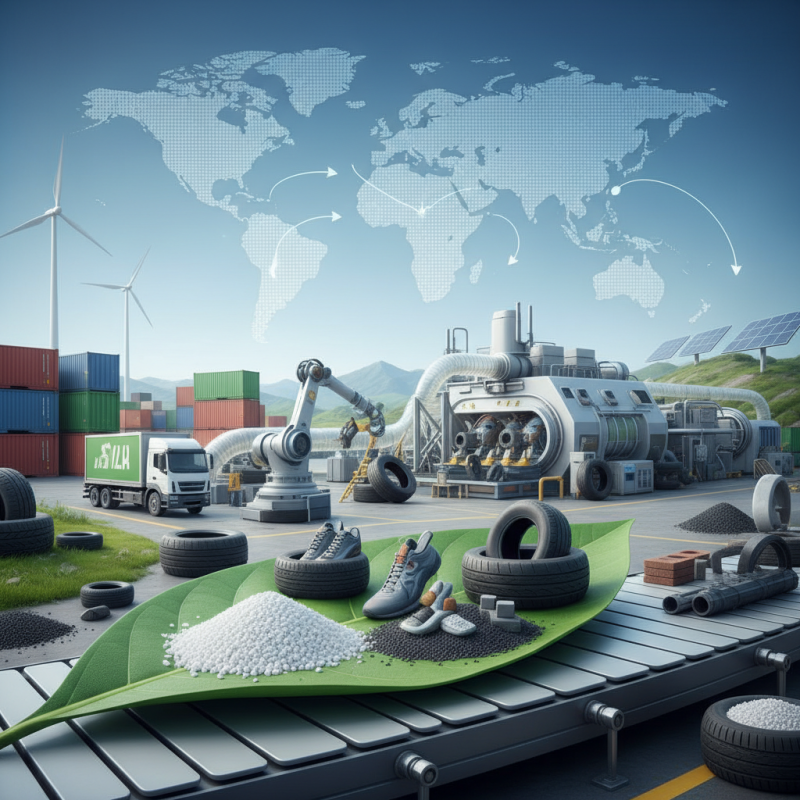
Rubber recycling is a growing focus in global procurement.
As the demand for sustainable materials increases, industries must evaluate their rubber supply chains.
Many companies are shifting towards recycled rubber to lower environmental impact.
However, the process can be complex and requires careful planning.
A major challenge is the variability of recycled rubber quality.
Different sources yield different properties, which can affect product performance.
Stakeholders must establish strict criteria for sourcing recycled materials.
Collaboration with specialized recycling facilities helps to ensure a consistent supply of high-quality rubber.
Moreover, transparency is crucial.
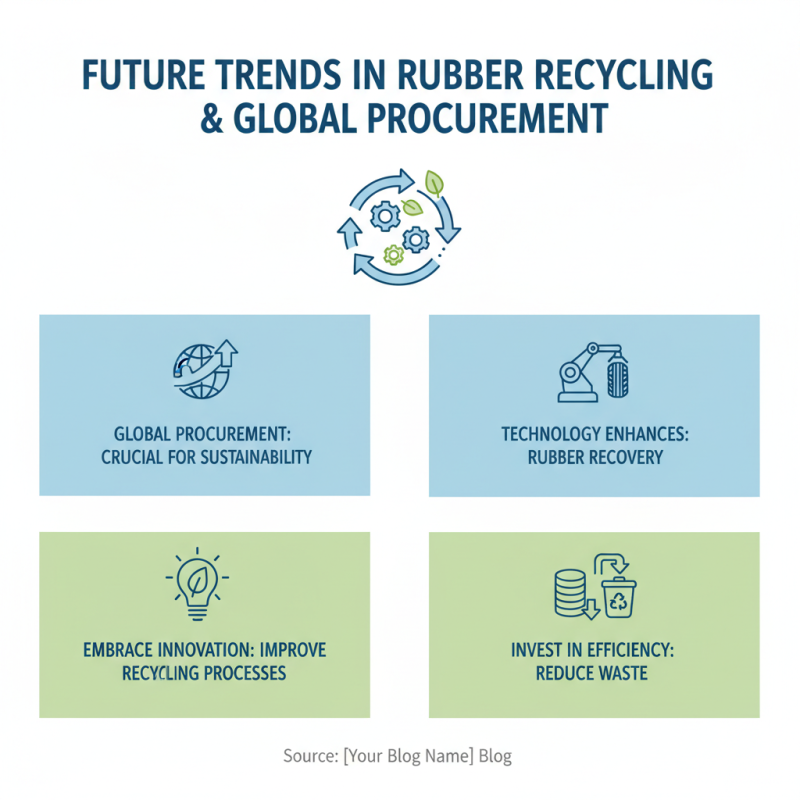
Investing in technology can enhance rubber recycling processes.
Advanced methods can improve the efficiency of material recovery.
However, not all technologies are scalable or cost-effective.
Businesses need to weigh the benefits of new innovations against their budget constraints.
By taking a thoughtful approach, companies can achieve effective recycling in their operations.
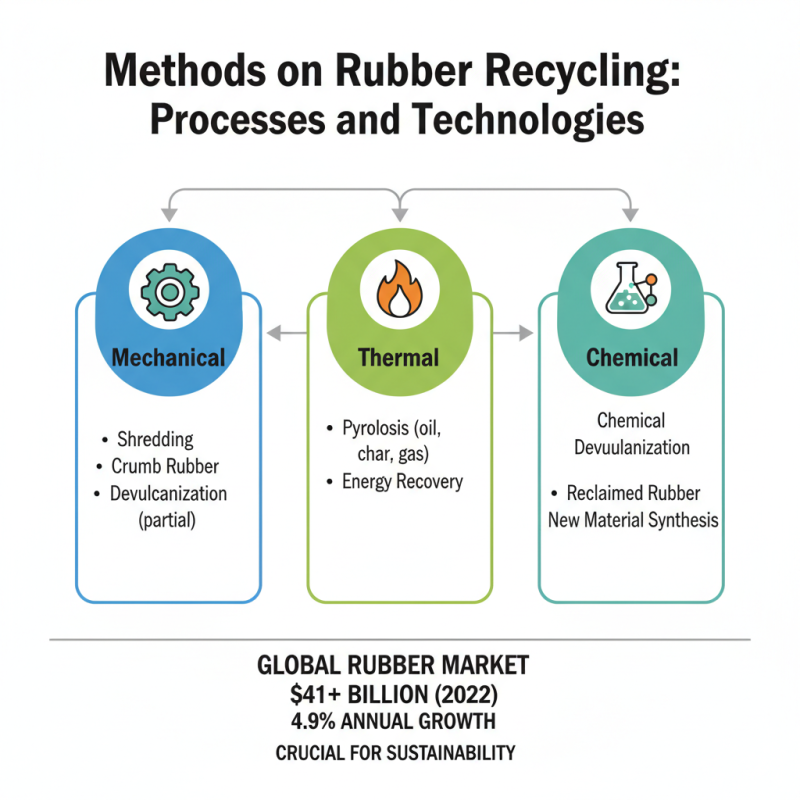
Methods of Rubber Recycling: Processes and Technologies
Rubber recycling is crucial for sustainability. The global rubber market was valued at over $41 billion in 2022, with an expected growth rate of 4.9% annually. As demand increases, effective recycling methods become essential. Various technologies are employed in rubber recycling. Mechanical, thermal, and chemical processes are commonly used. Each has unique advantages and limitations.
Mechanical recycling involves shredding rubber and grinding it into crumb. This process is efficient but often results in lower quality. Thermal recycling employs heat to break down rubber into oil and gas. This method is more energy-intensive. Chemical recycling, on the other hand, uses solvents to reclaim monomers. This technique can yield high-quality rubber. However, it requires careful handling of chemicals.
Despite advancements, challenges remain. Recycling rates for rubber products are still below 40%. Factors like contamination impede recycling efforts. Additionally, industry standards for recycled rubber can vary widely. These inconsistencies affect market trust and investment. Addressing these issues is vital for fostering a robust recycling ecosystem. Continuous improvement in processes and technologies is essential to meet global procurement needs effectively.
Challenges in Rubber Recycling for Global Supply Chains
The recycling of rubber presents significant challenges for global supply chains. One major issue is the inconsistency in rubber waste quality. Different types of rubber require different processing methods, leading to increased complexity in recycling efforts. Managing various sources and types of rubber can lead to inefficiencies and wasted resources.
Another challenge is the lack of standardized recycling protocols. Without universally accepted guidelines, countries and companies often rely on individual practices. This disparity can create uncertainty in the supply chain. Businesses may struggle to find reliable partners, affecting the overall efficiency of rubber recycling programs.
Additionally, there is the question of technology adaptation. Some facilities lack the necessary technology to process recycled rubber effectively. This gap can limit the volume and quality of recycled products available for global procurement. The rubber industry must invest in innovative technologies and training to overcome these hurdles. Only then can firms ensure a more sustainable approach to rubber recycling.
Benefits of Sustainable Rubber Recycling Practices
Sustainable rubber recycling practices offer numerous benefits for industries and the environment. According to the Global Recycling Foundation, nearly 1 billion tires are discarded annually, posing a significant waste challenge. Proper recycling can prevent up to 70% of this waste from ending in landfills, a crucial factor for pollution reduction.
Recycling rubber reduces the demand for new raw materials, diminishing deforestation and habitat destruction. The Rubber Manufacturers Association states that recycled rubber can save over 2.5 million gallons of oil for every million tires recycled. This highlights the environmental impact of recycling initiatives. Moreover, utilizing recycled rubber helps manufacturers lower their production costs while contributing to sustainable practices.
However, the process isn’t flawless. The quality of recycled rubber can vary significantly. There are challenges in maintaining consistency for manufacturing. Additionally, the technology to recycle rubber effectively is still evolving. Continued investment in research and development is essential. As industries push for sustainability, collaboration and innovation will be vital in overcoming these obstacles.
2026 How to Effectively Recycle Rubber for Global Procurement? - Benefits of Sustainable Rubber Recycling Practices
| Dimension |
Data |
| Annual Global Rubber Waste |
45 million tons |
| Recycling Rate |
22% |
| Estimated Recycled Rubber Use |
10 million tons |
| Environmental Impact Reduction |
30% CO2 emissions |
| Economic Benefits |
$1.5 billion annual savings |
| Job Creation Potential |
50,000 jobs |
| Future Projections for 2030 |
50% recycling rate |