China Top 10 Disposal Rubbish Solutions for Global Buyers?
In today's fast-paced world, effective Disposal Rubbish solutions are critical for sustainable development. John Stevenson, a leading expert in waste management, emphasizes that “innovative disposal methods can significantly reduce environmental impact.” As global buyers seek reliable solutions, understanding the landscape of disposal options becomes essential.
China, as a powerhouse in recycling and waste management, offers a variety of techniques to handle disposal rubbish efficiently. These methods not only enhance waste processing efficiency but also reflect the country’s commitment to environmental responsibility. Innovative strategies emerge regularly, showcasing a blend of technology and traditional practices.
However, the challenge lies in adaptation. Not every solution fits all markets. Buyers must assess local regulations and cultural attitudes toward waste. Not every method is perfect. Companies may face obstacles in implementation. This reality calls for a thoughtful approach to selecting appropriate disposal rubbish strategies. Engaging with experienced professionals can smooth the way forward.
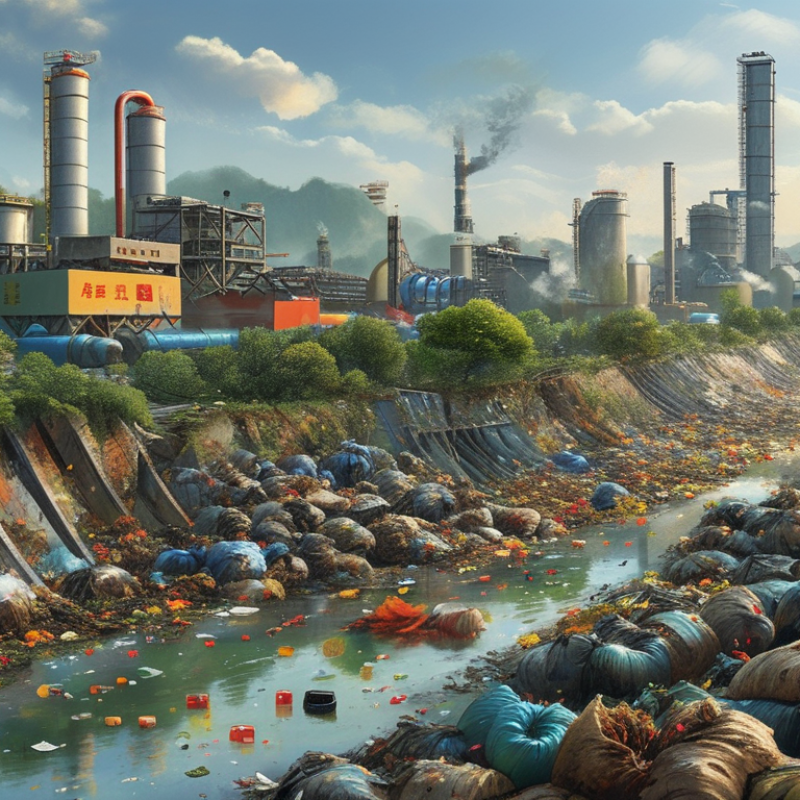
Overview of China's Waste Disposal Solutions
China is making significant strides in waste disposal solutions. The country generates approximately 220 million tons of waste annually, presenting both challenges and opportunities. Local governments invest heavily in advanced recycling and conversion technologies. For example, nearly 50% of urban waste is recycled, showcasing a commitment to sustainability.
The waste-to-energy (WtE) approach is notably rising. Reports indicate that China has over 400 WtE plants. These facilities not only reduce landfill use but also generate electricity. This method aligns with global trends in reducing carbon footprints. Yet, concerns remain regarding emissions and public opposition to new plants.
Tips: Implementing a circular economy mindset can greatly improve waste management. Encouraging behaviors such as reducing and reusing can lead to tangible impacts. Engaging communities in recycling programs also fosters better practices.
Lastly, there’s a universal challenge in educating the public. Many citizens lack awareness of proper disposal methods. This gap hinders effective waste management strategies. Therefore, continuous education and adaptation are vital.
China's Top 10 Waste Disposal Solutions Overview
Innovative Technologies in Rubbish Treatment
In recent years, innovative technologies have emerged to tackle the global issue of waste disposal. China is at the forefront, developing various solutions that appeal to international buyers. Many of these advancements focus on recycling and waste-to-energy conversions. These processes not only reduce landfill reliance but also promote sustainability in waste management.
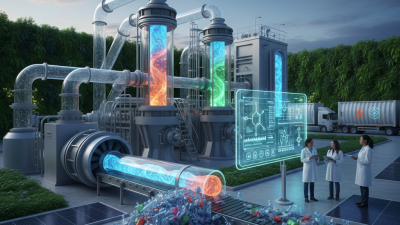
One exciting technology is anaerobic digestion. This method breaks down organic materials without oxygen, producing biogas. It’s a cleaner alternative to traditional landfills. This biogas can then be converted into electricity. However, its implementation varies regionally, and understanding local waste characteristics is vital.
Tips for buyers: Evaluate local regulations before adopting new technologies. Collaborate with local experts to ensure successful integration. Additionally, consider community engagement in your waste management strategies. Understanding what residents value in waste disposal can guide effective solutions.
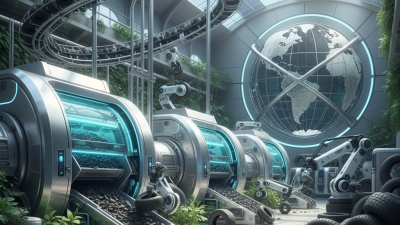
Another prominent solution is advanced sorting systems. These technologies utilize AI and robotics to separate recyclables from general waste efficiently. This not only enhances recovery rates but also minimizes contamination. Be aware, though, that initial costs can be high. It’s essential to weigh these costs against potential long-term savings and environmental benefits.
Sustainable Practices for Waste Management
Sustainable waste management is crucial for environmental health. China has taken significant steps in implementing eco-friendly solutions for rubbish disposal. Many cities now emphasize recycling and composting as essential strategies. By converting organic waste into compost, municipalities can significantly reduce landfill waste.
Recycling initiatives encourage citizens to sort their waste properly. A well-organized collection system can enhance recycling rates. However, challenges remain in public participation and education. Many people still lack awareness of recycling processes. Engaging communities through workshops can help bridge this gap.
Moreover, waste-to-energy technologies are gaining attention. These methods convert waste into usable energy, reducing dependence on fossil fuels. Yet, the environmental impact of emissions from these facilities must be continuously assessed. Striking a balance between energy production and sustainability is a complex issue. It requires ongoing dialogue and innovation.
Regulatory Framework Influencing Rubbish Solutions
The regulatory framework in China plays a crucial role in shaping rubbish disposal solutions. Policies have become more stringent. This is largely due to increased urbanization and rising waste generation. According to a report by the World Bank, China is projected to produce over 500 million tons of municipal solid waste by 2030. This rising trend necessitates innovative waste management strategies.
China's government has implemented various regulations to enhance recycling and waste reduction. For example, the Waste Management Law mandates separation of recyclable materials from general waste. Compliance with these regulations can be challenging for municipalities and businesses. Many struggle to adapt to the standards set by authorities. This inconsistency can lead to inefficient waste management practices.
Moreover, international standards influence domestic policies. China's participation in global environmental agreements prompts local adjustments. Industry reports suggest that up to 30% of waste materials can potentially be recycled if proper systems are in place. Yet, barriers like public awareness and infrastructure remain significant hurdles. Improving the regulatory framework should focus on addressing these issues. Only then can a more sustainable waste management system be achieved.
Global Buyer Considerations in Selecting Waste Disposal Services
When selecting waste disposal services, global buyers should consider several key factors. Understanding the local regulations in China is crucial. Different cities have varying laws regarding waste management. Compliance with these regulations is essential to avoid penalties and ensure responsible disposal.
Experience in the industry is another important consideration. Look for companies with a proven track record. Longevity in the business often indicates reliability. However, some newer companies may offer innovative solutions. Weigh their fresh approaches against their lack of experience. This balance can be tricky but necessary.
Sustainability is a growing concern for many buyers. Eco-friendly practices are becoming increasingly important. Companies that prioritize recycling and resource recovery should be favored. Yet, verify their claims. Transparency in their processes builds trust. Asking for certifications can help in this assessment. Each choice made will influence the environmental footprint. Consider both immediate needs and long-term impacts.
China Top 10 Disposal Rubbish Solutions for Global Buyers
| Solution Type |
Technology Used |
Capacity (Tons/Day) |
Average Cost ($) |
Environmental Impact |
| Incineration |
Combustion |
1000 |
120,000 |
High, with emissions control |
| Landfilling |
Traditional methods |
5000 |
40,000 |
Low, but space consumption |
| Composting |
Aerobic decomposition |
200 |
10,000 |
Minimal, enhances soil |
| Anaerobic Digestion |
Biomethanation |
300 |
15,000 |
Low, produces biogas |
| Mechanical Biological Treatment |
Sorting and biodegradation |
1500 |
80,000 |
Moderate, reduces landfill |
| Waste to Energy |
Gasification |
800 |
130,000 |
Low, converts waste to energy |
| Recycling |
Mechanical sorting |
1000 |
50,000 |
Positive, conserves resources |
| Chemical Treatment |
Chemical stabilization |
700 |
60,000 |
Variable, harmful chemicals |
| Hazardous Waste Treatment |
Solidification |
300 |
100,000 |
High, critical for safety |
| E-Waste Recycling |
Mechanical and chemical |
600 |
70,000 |
Very positive, conserves metals |