- Home
- About Us
- Products
- Solution
- Video
- Project Case
- News
- FAQ
- Contact Us
Inquiry
Form loading...
Choosing the right Tire Disposal company is a practical decision for global buyers. It affects environmental performance, shipment reliability, material recovery, and long-term supply relationships. The strongest providers usually offer documented collection systems, modern shredding equipment, traceable processing records, and clear communication across borders.
This guide examines leading companies through a buyer’s perspective. It considers their experience with passenger tires, truck tires, and industrial rubber waste. It also reviews recycling capacity, recovered rubber quality, steel separation, export support, and environmental management practices. Facility certifications can strengthen confidence, but certificates alone do not prove consistent performance. Buyers should request recent audit records, sample specifications, production photographs, and references from comparable customers.
Details matter.
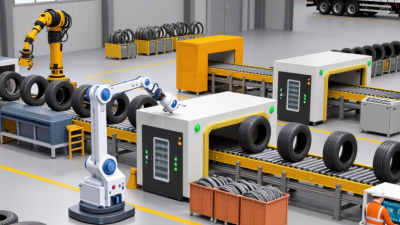
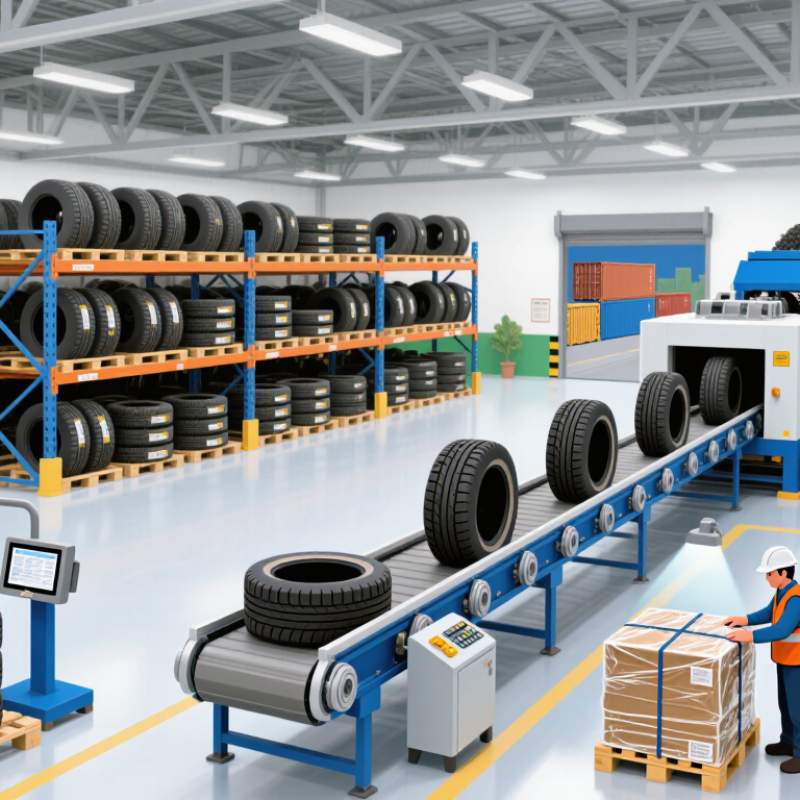
A dependable supplier should explain how tires move from collection points to processing lines. Imagine a warehouse receiving mixed tire sizes, with each batch weighed, inspected, and recorded before shredding. That level of control can reduce surprises in quality and delivery. Still, no single company is ideal for every market. Some providers excel in high-volume processing, while others offer better regional access or specialized recovery solutions. Company rankings may also change as equipment, regulations, and logistics conditions develop. This overview therefore offers a careful starting point, not an unquestionable verdict. Global buyers should verify current capabilities directly and compare suppliers against their own technical, commercial, and sustainability requirements.
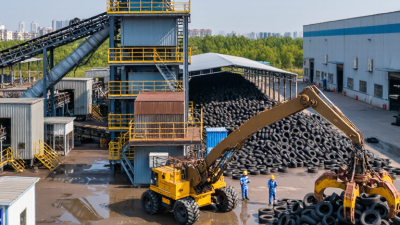
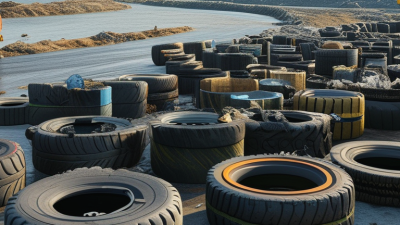
Around one billion tires reach end of life each year, according to the World Business Council for Sustainable Development (WBCSD). This global flow creates a difficult logistics problem. Tires are bulky, slow to degrade, and often retain water in open storage. For global buyers, the top disposal companies are not simply the largest recyclers. They are providers with verified collection networks, covered storage, traceable transport, and documented processing capacity.
The strongest operators usually offer several routes: tire-derived fuel, rubber granules, steel recovery, and molded products. WBCSD’s End-of-Life Tires report highlights material recovery and energy recovery as major management pathways. The U.S. Environmental Protection Agency has also reported that scrap tires can become rubber-modified asphalt, playground surfaces, and fuel products. These uses sound practical. Yet buyers should inspect contamination controls, output specifications, and final-market evidence. A cheap quotation may hide weak sorting systems.
Ask for monthly intake records, recovery rates, facility permits, and third-party audit results. The Global Waste Management Outlook from UNEP emphasizes that reliable waste systems depend on measurement, enforcement, and infrastructure. Those details matter more than polished sales language. Request sample certificates. Check shipment histories. Visit the plant when possible. One uncomfortable fact remains: recycling is not automatically circular. If recovered rubber has no stable buyer, stockpiles can return. That risk is easy to underestimate.
| Disposal Capability | Primary Output | Typical Buyer or End Market | Key Commercial Advantages | Important Qualification Criteria | Relevant Industry Reference |
|---|---|---|---|---|---|
| Global ELT Collection and Sorting | Separated whole tires, reusable casings, and end-of-life tires | Recycling plants, retreaders, exporters, civil-engineering contractors | Creates a traceable feedstock stream and improves downstream material recovery | Collection coverage, sorting accuracy, contamination control, transport permits, and chain-of-custody records | WBCSD identifies approximately 1 billion tires as reaching end of life globally each year |
| Tire Retreading Preparation | Inspected tire casings suitable for retreading | Commercial vehicle operators, fleet owners, and retreading facilities | Extends casing service life and reduces the need for manufacturing a completely new tire | Casing age, structural condition, tread inspection, repair history, and applicable safety standards | Retreading is recognized as a method for extending the useful life of selected tire casings |
| Mechanical Recycling | Crumb rubber, rubber granules, textile fraction, and recovered steel | Rubber-modified asphalt, molded products, sports surfaces, flooring, and steel processors | Produces marketable secondary raw materials without combustion | Particle-size range, steel and textile removal rate, moisture, rubber purity, packaging, and test certificates | Mechanical processing is a widely established ELT recycling route for recovering rubber and steel |
| Civil Engineering Applications | Shredded tires, tire-derived aggregate, and lightweight fill material | Road construction, embankments, drainage layers, retaining structures, and landfill engineering | Uses large tire volumes and can provide lightweight, drainage, and vibration-absorbing properties | Shred dimensions, project specifications, leachate controls, fire-risk management, and local approval | Tire-derived aggregate is documented as a civil-engineering reuse option |
| Tire-Derived Fuel | Prepared tire chips or whole-tire fuel | Cement kilns, pulp and paper mills, and certain permitted industrial boilers | High energy content and recovery of mineral components in some industrial processes | Fuel specification, wire content, moisture, emissions controls, permit status, and acceptance testing | The U.S. EPA recognizes tire-derived fuel as a controlled end use in designated industrial facilities |
| Pyrolysis and Chemical Recovery | Recovered carbonaceous material, steel, hydrocarbon liquids, and process gas | Carbon-material processors, chemical users, fuel markets, and steel recyclers | Can recover several product streams from ELTs under oxygen-limited thermal processing | Technology maturity, product specifications, emissions compliance, energy balance, permits, and verified offtake contracts | Pyrolysis is a recognized thermal treatment route, but commercial performance depends on technology and regulatory conditions |
| Steel Recovery | Recovered tire-derived steel | Scrap-metal processors and steel-making supply chains | Separates a recyclable material from the rubber fraction and supports material recovery | Steel purity, rubber attachment, baling or loose-loading format, moisture, and shipment documentation | Steel is a commonly recovered component of passenger and commercial vehicle tires |
| Compliance and Traceability Services | Weight tickets, movement records, recycling certificates, and final-use documentation | Global buyers, manufacturers, importers, municipalities, and extended-producer-responsibility programs | Reduces compliance risk and helps buyers verify the final destination of ELT materials | Environmental permits, Basel Convention requirements where applicable, audit rights, destination-facility records, and mass-balance reporting | EU landfill rules restrict the disposal of whole and shredded tires, subject to specified exceptions |
Reference basis: World Business Council for Sustainable Development (WBCSD) global end-of-life tire estimate; U.S. Environmental Protection Agency information on tire-derived fuel and tire recycling; European Union Landfill Directive 1999/31/EC.