Top Trash Incinerators in China for Global Buyers?
China's rapid industrial growth has led to an increase in waste production. Trash incinerators have become a crucial part of the waste management landscape. According to the Ministry of Ecology and Environment of China, over 450 waste-to-energy plants are operational, which significantly contributes to energy recovery. However, not all systems are equally efficient or environmentally friendly.
Many global buyers are looking at China's trash incinerators as viable options for municipal waste management. The capacity of these plants ranges from 500 to 1,500 tons per day. Some renowned companies, such as Veolia and SUEZ, have invested heavily in these facilities. They promise lower emissions and higher energy efficiency. Yet, this expansion raises concerns about air quality and long-term sustainability.
While the technology in some of these trash incinerators has advanced, challenges remain. Many plants still face operational inefficiencies and regulatory scrutiny. Buyers must consider these factors when selecting a trash incinerator. Continuous improvement and adherence to strict standards will be vital to enhance reliability and guarantee better environmental outcomes.
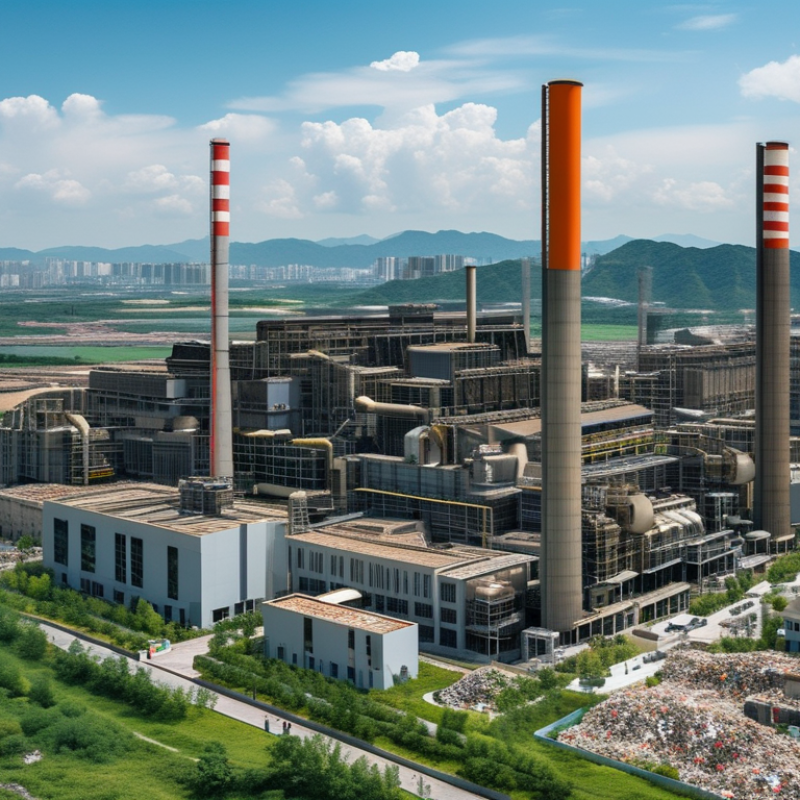
Overview of Trash Incineration in China: Market and Technology
Trash incineration is a growing focus in China. The country faces significant waste management challenges due to rapid urbanization and population growth. In response, technology to convert waste into energy is evolving. This method not only helps reduce landfill waste but also generates electricity.
China's incineration facilities are increasing in number. While some plants use advanced technology, many still rely on older methods. This disparity raises concerns about emissions and environmental safety. Continuous improvement in efficiency is crucial, yet financial investment and regulatory support remain inconsistent.
Local governments are navigating these complexities. They must balance the need for effective waste disposal with public health concerns. As technology evolves, it brings promise and uncertainty. Every innovation offers potential benefits but also poses questions about safety and efficacy.
Leading Trash Incinerator Manufacturers in China: A Competitive Landscape
China is rapidly evolving into a leader in waste management technologies, particularly in trash incineration. With the country's ongoing urbanization, the demand for efficient waste processing solutions has surged. According to a recent industry report, the market for waste incineration in China is projected to grow at a compound annual growth rate (CAGR) of 15% over the next five years.
Key players in this field are focusing on innovation and compliance with environmental standards. The integration of advanced emission control technologies is becoming common, aiming to reduce harmful pollutants released during incineration. Some studies indicate that these technologies can help reduce emissions by as much as 80% compared to older systems. However, challenges remain. Many facilities struggle with outdated infrastructure that does not meet current regulations. Upgrading these facilities requires significant investment and strategic planning.
Moreover, the competitive landscape is complex. New entrants continue to emerge, aiming to capitalize on the growing demand. Traditionally dominant manufacturers are now facing pressure to innovate or lose market share. The lack of standardized regulations can lead to discrepancies in the quality of incinerators available. Buyers need to thoroughly assess technical specifications and performance metrics to ensure reliable choices in this evolving market.
Top Trash Incinerators in China for Global Buyers
This chart illustrates the varying capacities of different types of trash incinerators produced in China. The data reflects the average daily processing capacity measured in tons for various incinerator models.
Key Features and Technologies of Top Incinerators in China
The landscape of waste management in China has transformed significantly. Modern incinerators play a crucial role in managing urban waste. They help to reduce landfill use and generate energy. Advanced technologies have emerged, enhancing efficiency and environmental protection.
Key features of these incinerators include high-temperature combustion. This process ensures that harmful substances are destroyed effectively. Many units integrate air pollution control systems that minimize emissions of dioxins and particulate matter. Some incinerators even use real-time monitoring technology. This capability promotes transparency and regulatory compliance. However, concerns persist about the by-products of incineration.
Another noteworthy aspect is the energy recovery mechanism. Incinerators can convert waste to energy, generating electricity. This reduces reliance on fossil fuels. Yet, the initial construction costs can be substantial. Potential buyers must weigh the financial investment against long-term benefits. Each facility presents unique challenges and considerations. It's essential to assess local conditions and waste characteristics carefully. Ultimately, innovation in waste management is crucial for sustainable urban development.
Environmental Impact and Regulations on Trash Incineration in China
Trash incineration in China has gained attention due to its environmental impact. This method aims to reduce waste volume while generating energy. However, the process can release harmful emissions, raising concerns among communities. Strict regulations are necessary to minimize these effects. Monitoring air quality around incinerator sites is crucial. For residents, transparency in emissions data is vital. They deserve to know how these facilities affect their health.
China has implemented various regulations to address these challenges. The government mandates advanced pollution control technologies. Facilities must comply with emission standards to operate. Regular inspections are required to ensure adherence. Public awareness campaigns help communities understand the potential risks. Engaging the public in discussions can improve trust in these facilities. However, issues like inadequate monitoring systems persist.
Environmental organizations often highlight the need for continuous improvement. Some incinerators lack sufficient filters to capture all pollutants. This raises questions about the effectiveness of current regulations. Investing in research to develop cleaner technologies is essential. It is a complex balance between managing waste and protecting the environment. Continued efforts are needed to make trash incineration a sustainable solution in China.
Global Partnerships: How China’s Incinerators Serve International Markets
China's waste management industry has gained global recognition, especially in the realm of incineration technology. As urbanization continues, the country has developed state-of-the-art facilities. According to the China Solid Waste and Chemical Management Annual Report, over 1,200 waste incineration plants now operate, incinerating approximately 50 million tons of waste annually. These facilities not only address domestic challenges but also position China as a key player in international waste management.
Countries around the world are looking to partner with Chinese incineration firms. Innovations in emission control and energy recovery play a vital role. Many Chinese incinerators now achieve over 80% energy recovery efficiency. This capability attracts global investors seeking to implement sustainable waste management practices. Enhanced collaboration is evident, with agreements established in regions like Southeast Asia and Africa.
However, concerns about environmental impact persist. Air quality remains a significant issue. Critics argue that some plants still struggle to meet international standards. This highlights a need for continuous improvement and transparency in operations. As China solidifies its role in the global marketplace, balancing technology and environmental responsibility will be crucial. Partnerships can provide insights into better practices while promoting cleaner incineration processes.