What is Waste To Energy Technology and How Does It Work?
Waste To Energy Technology is an innovative approach to waste management. It transforms everyday waste into valuable energy. As global waste piles up, this technology offers a feasible solution. Many countries struggle with waste disposal. Traditional methods often lead to pollution and health issues. This raises questions about our waste practices.
This technology works through various processes. Incineration, gasification, and anaerobic digestion are common methods. Each technique has its pros and cons. For instance, incineration reduces waste volume but may emit harmful gases. Gasification generates syngas, a cleaner option, but is complex. Anaerobic digestion produces biogas from organic materials. Each method requires careful consideration of environmental impact.
Adopting Waste To Energy Technology is not without challenges. Public perception can hinder projects. Communities may oppose waste facilities due to fears of pollution. Balancing energy needs with environmental concerns is crucial. Leaders must address these issues transparently. Overall, embracing this technology demands informed choices and community involvement.
What is Waste To Energy Technology?
Waste to Energy (WTE) technology is a powerful solution for managing waste and generating energy. It involves converting municipal solid waste into usable energy forms, such as electricity or heat. This process reduces landfill usage and diminishes greenhouse gas emissions.
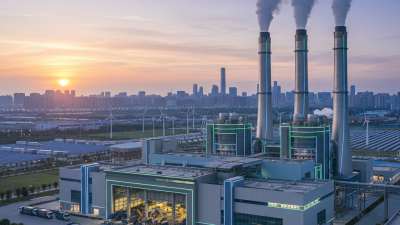
The methods of WTE include combustion, gasification, and anaerobic digestion. In combustion, waste is burned at high temperatures, producing steam to drive turbines. Gasification creates a synthetic gas from waste, which can be used for electricity generation or as a fuel. Anaerobic digestion utilizes microorganisms to break down organic waste, producing biogas. Each method has its benefits and challenges, and appropriate technology selection is essential.
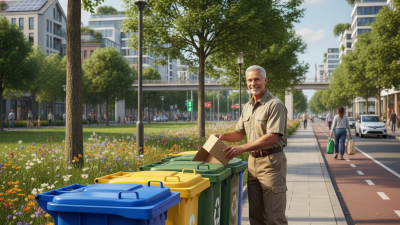
**Tips:** Ensure proper waste sorting before disposal. This can improve energy recovery efficiency. Understand local regulations regarding WTE plants. Community involvement plays a crucial role in the success of WTE projects. Reflecting on the environmental impact of waste is vital. Balancing energy production and sustainable waste management requires continuous improvement.
The Different Types of Waste To Energy Processes
Waste-to-energy (WtE) technology encompasses various processes to convert waste materials into usable energy. Different methods exist, each with its own benefits and challenges. The most prominent types include incineration, anaerobic digestion, gasification, and pyrolysis. Incineration involves burning waste at high temperatures to generate electricity. According to the Energy Recovery Council, about 29 million tons of waste were converted into energy in the U.S. in 2021, providing enough electricity for approximately 1.6 million homes.
Anaerobic digestion breaks down organic waste in the absence of oxygen, producing biogas that can be used for heating or electricity generation. This method is highly effective for food waste and agricultural residues. A report by the International Renewable Energy Agency states that anaerobic digestion can reduce methane emissions significantly, making it an environmentally friendly option. Gasification and pyrolysis use high heat without combustion. This results in synthetic gas or bio-oil, which can be further converted into fuel or chemicals.
**Tip:** When considering waste-to-energy solutions, research your local regulations. Each technology has varying levels of acceptance and efficiency based on waste types. Think critically about the balance between energy production and environmental impact. It’s essential to remain open to new methods evolving in this field. Sustainable waste management is a complex issue, and there remains much room for improvement and innovation.
What is Waste To Energy Technology and How Does It Work? - The Different Types of Waste To Energy Processes
| Type of Waste to Energy Process |
Description |
Advantages |
Disadvantages |
| Incineration |
Burning waste at high temperatures to generate steam that produces electricity. |
Reduces waste volume, generates energy, and decreases landfill use. |
Emissions and air pollution, initial costs, and public opposition. |
| Gasification |
Converts organic or fossil-based materials into carbon monoxide, hydrogen, and carbon dioxide at high temperatures without combustion. |
Produces less pollution than incineration and generates syngas for energy production. |
Complex technology and requires a continuous feed of waste materials. |
| Anaerobic Digestion |
Breaks down organic matter in the absence of oxygen to produce biogas and digestate. |
Produces renewable energy, reduces greenhouse gases, and creates useful byproducts. |
Limited to organic waste and requires proper management to avoid odors. |
| Plasma Arc Gasification |
Uses plasma torches to ionize gas and break down waste into syngas and slag. |
Highly efficient destruction of hazardous waste and produces minimal byproducts. |
High operational costs and requires substantial energy input. |
How Waste To Energy Systems Operate Step by Step
Waste to energy systems transform waste into usable energy. This process involves several key steps. Initially, waste materials are collected from various sources. Once gathered, they are sorted to remove non-combustible items. This sorting is crucial for efficient energy conversion.
Next, the sorted waste is subjected to different treatments. Incineration is a common method, where waste is burned at high temperatures. This generates heat, which is then used to produce steam. The steam drives turbines that generate electricity. Another method is anaerobic digestion, where organic waste decomposes in the absence of oxygen. This produces biogas, which can also be converted into energy.
Operating a waste to energy system requires ongoing monitoring. Frequent assessments ensure efficiency and compliance with environmental standards. This is where challenges arise. Maintaining optimal performance is not always straightforward. Variability in waste composition can impact energy output. The technology is promising but still developing. Continuous improvements are necessary for its full potential.
Advantages and Disadvantages of Waste To Energy Technology
Waste-to-energy (WtE) technology presents both advantages and disadvantages. On the upside, it transforms waste into usable energy. According to a report by the U.S. Environmental Protection Agency, WtE facilities can reduce landfill volumes by 90% or more. This helps address the pressing issue of waste management, particularly in urban areas where space is limited. By converting waste into energy, facilities can produce electricity, heat, or fuel, contributing to energy diversification and reducing reliance on fossil fuels.
Despite its strengths, WtE technology has drawbacks. Emissions from incineration can release pollutants, including dioxins. The World Health Organization (WHO) reported that these substances can harm human health. Moreover, the high capital investment required for WtE plants can deter municipalities. Reports indicate that building and operating WtE facilities focuses resources that could be used for recycling programs. The potential for job creation in emissions control and energy production should not overshadow the need for careful consideration of environmental impacts. Balancing these factors can prove challenging for communities.
Current Trends and Future Developments in Waste To Energy Solutions
Waste to energy (WtE) technology has gained momentum over the past few years. This method converts waste into usable energy. Recent reports estimate that the global WtE market will reach approximately $50 billion by 2025. This growth highlights a significant shift towards sustainable energy solutions.
Current trends indicate a rise in urbanization and population growth. These factors lead to increased waste generation. According to the World Bank, the global waste generation could reach 3.4 billion tons by 2050. Many municipalities are exploring WtE as a viable alternative to landfills. Technologies such as anaerobic digestion and pyrolysis are becoming more common. These methods not only reduce waste but also produce energy.
Future developments in WtE solutions focus on efficiency and technology integration. Innovations in waste sorting and combustion techniques promise higher energy yields. However, concerns about emissions continue to be a challenge. As WtE facilities evolve, they must address these environmental impacts effectively. Collaboration between governments, businesses, and researchers will be essential to achieve sustainable WtE systems.