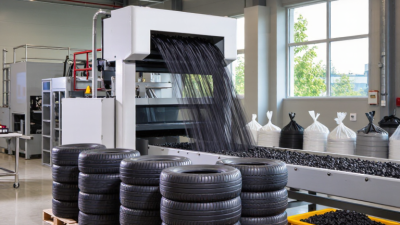
In 2026, responsible Car Tyre Disposal is no longer a minor logistics task for global buyers. It affects warehouse safety, environmental performance, shipping costs, and supplier credibility. Worn tyres can stack beside loading bays, collect rainwater, and create avoidable handling risks. A practical disposal plan should begin before the purchase order is approved.
The best method depends on tyre condition, local facilities, transport distance, and regional requirements. Reuse may suit tyres with safe tread and verified structural quality. Retreading can extend service life for suitable commercial casings. Recycling facilities may process rubber into flooring, playground surfaces, road materials, or industrial products. Energy recovery is another option, but buyers should confirm that approved facilities use controlled processes and provide clear records.
Reliable buyers should request inspection reports, recycler credentials, transfer documents, and final processing evidence. Local environmental agencies and recognized industry associations can help verify acceptable channels. Experience matters here. A low-cost collection service may not offer traceability. That can create problems later.
No method is perfect.
A shipment may contain tyres in mixed conditions, making sorting slower than expected. Some buyers may also underestimate storage space, seasonal delays, or regional collection fees. These gaps deserve honest review. The strongest approach combines technical inspection, documented chain-of-custody procedures, and communication with qualified local partners. This guide compares practical disposal routes for international buyers, while highlighting safety, cost control, environmental responsibility, and questions worth asking before tyres leave the warehouse.
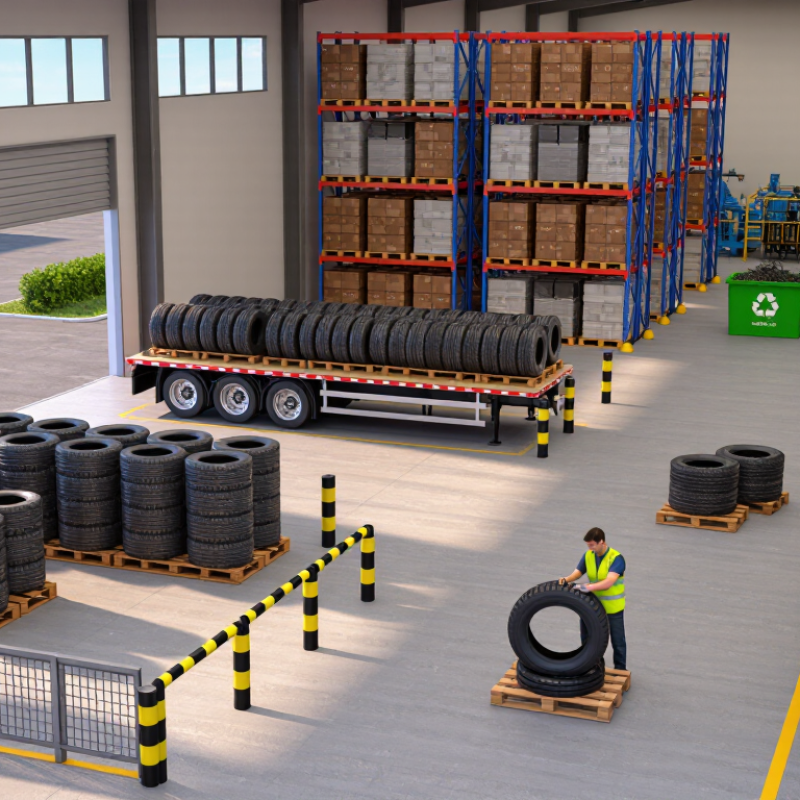
The scale is easy to underestimate. The World Business Council for Sustainable Development’s Tire Industry Project estimates about one billion waste tyres arise globally each year, representing nearly 30 million tonnes of material. This annual ELT supply includes rubber, steel, textile fibres, and trapped moisture. Buyers need more than a low quoted price. They need verified volumes.
Retreading can extend the life of suitable casings, but inspection must identify cracks, uneven wear, and internal damage. Mechanical recycling then separates rubber granules from steel and fibre. These outputs can support molded products, road materials, and engineered surfaces. Controlled thermal recovery or pyrolysis may handle unsuitable tyres, but each facility requires documented permits, emissions controls, and traceable inputs.
The European Tyre and Rubber Manufacturers’ Association reports consistently high collection and recovery performance across European markets. Its data shows why organized collection systems matter. Global buyers should request weighbridge records, loading photos, moisture checks, and final-destination documents. A clear chain of custody reduces hidden losses.
No method is perfect. A neat spreadsheet can still hide leakage. Mixed loads often contain soil, rims, or oversized tyres, reducing usable yield. Buyers should compare recovery rates, transport distance, energy use, and local compliance before selecting a route. The most credible supplier is not always the cheapest one.
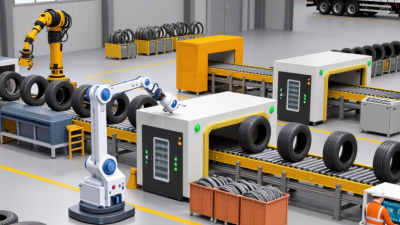
2026 Best Car Tyre Disposal Methods for Global Buyers
Check Legal Routes: EU Rules Ban Whole-Tyre Landfilling Since 2003
For global buyers, tyre disposal starts with legal classification, not the lowest transport quote. Under the EU Landfill Directive 1999/31/EC, whole tyres have been prohibited from landfill since July 2003. Shredded tyres faced restrictions from July 2006, with limited exceptions for certain large or bicycle tyres. National rules may be stricter. Verify them before shipment.
The European Tyre and Rubber Manufacturers’ Association reported about 3.9 million tonnes of end-of-life tyres arising in Europe in 2020. Its market data also showed collection and recovery above 90 percent. These figures support practical routes: retreading suitable casings, producing rubber granules, recovering steel and textile, or using controlled energy-recovery facilities. Material recycling usually offers clearer traceability than disposal. Pyrolysis may be available, but permits, emissions controls, and output quality require careful checking.
Inspect every load before purchase. Separate reusable casings from damaged tyres, record weights, photograph storage conditions, and request the receiving facility’s permit. Ask for waste-transfer documents and final-treatment evidence. The Global ELT Management report identifies traceability as a continuing weakness across international markets. A certificate alone may not prove actual recovery.
Some plans look compliant on paper.
They may still fail during transport, customs checks, or facility audits. Buyers should confirm waste codes, carrier authorization, export rules, and destination-country requirements in writing. ETRMA reports are useful references, but they are not legal advice. Regulations change, and my own practical warning is simple: never treat a recycled-content claim as proof of lawful tyre treatment.
For global buyers in 2026, tyre disposal should begin with a casing decision, not a shredder. A usable casing can serve again through professional retreading. During inspections, technicians check bead condition, sidewall cuts, uneven wear, and hidden separation. Tread depth alone is not enough. A casing with clean bead wires and stable structure may deserve another working cycle. This approach reduces demand for new rubber and keeps more material in service.
Retreading works only when collection and storage are controlled. Keep removed tyres indoors, away from sunlight, standing water, oils, and sharp metal. Record size, load rating, service history, and damage photographs. These details help buyers compare lots honestly. Qualified processors use non-destructive inspection, shearography, or approved equivalent methods to find internal defects. They then buff the old tread, repair acceptable injuries, apply new rubber, and cure it under controlled pressure and heat. Small errors matter. Poor bonding can appear after thousands of kilometres.
Material recovery remains important for casings that fail inspection. Steel, fibre, and rubber can enter separate recovery streams when local facilities accept them. Buyers should question vague “recycled” claims and request process records, test results, and traceable weights. My practical view is less tidy: some tyres look promising but fail after deeper inspection. That disappointment costs time, yet rejecting unsafe casings protects drivers and purchasing teams. The rejected casing should still leave a documented weight and recovery destination.
Prioritize retreading: extend casing life before material recovery
Reference model: 1,000 passenger-car tyres at approximately 9 kg each, using a typical composition benchmark of 70% rubber, 15% steel, 5% textile and 10% other materials. Actual values vary by tyre size, construction and processing technology.
In 2026, global buyers should treat end-of-life tyre disposal as a supply-chain decision, not a final warehouse task. ETRMA reports that about 95% of European end-of-life tyres are recovered. That figure is significant. Yet “recovered” includes material recycling and energy recovery, not recycling alone. Buyers should ask which route handles their tyres.
A reliable process begins with approved local collectors and clear collection records. Tyres should be sorted by size, condition, and contamination. Clean casings may support retreading or material recovery. Shredded tyres can become rubber granules for flooring, road surfaces, or molded products. Some unsuitable tyres may enter controlled energy-recovery systems. Request weighbridge tickets, transfer records, and destination details. A certificate without traceable evidence is weak.
The 95% figure should guide questions, not end them. Recovery rates can differ between countries, transport routes, and tyre categories. I would not compare suppliers using percentages alone. Check whether the data covers your shipment and reporting year. Small mistakes happen, especially when damaged tyres contain mud, metal, or mixed waste. Buyers should also budget for collection delays and temporary storage. The process is practical, but not flawless. Better documentation often reveals where disposal systems still need improvement.
For global buyers, tyre disposal begins with a traceable export partner. The cheapest quotation may hide weak documentation. Under Basel Convention rules, used tyres may face controls depending on their composition, destination, and national classification. Confirm requirements with the relevant competent authorities before signing a contract.
Request the exporter’s permits, waste classification records, and recent shipment documents. Check whether the receiving facility can legally retread, recycle, or process tyres for energy recovery. The facility address should match the permit. Ask for weighbridge tickets, container numbers, loading dates, and final treatment certificates. Photos help, but they are not proof alone. A reliable audit follows one shipment from collection point to treatment line.
Keep the chain visible. Use batch codes, signed transfer records, and independent site inspections. Verify that transporters and downstream processors appear in the approved documentation. Do not accept vague claims such as “zero waste” without measurable evidence. Some partners may provide excellent paperwork but poor material controls. That risk is easy to miss. No audit is perfect. Buyers should record unanswered questions and request corrective actions with deadlines. A practical file should include contracts, permits, inspection notes, customs records, and treatment results. This evidence supports responsible purchasing and helps prevent tyres from disappearing between export and final processing.